 January 2025 in “Current Trends in Pharmacy and Pharmaceutical Chemistry”
 New methods for measuring dutasteride are effective and reliable.

Tridax procumbens may boost the immune system.
 January 2025 in “Bright Sky Publications eBooks”
 Advancements in medical physics and laser technology are improving healthcare but access remains unequal globally.
 January 2025 in “Pakistan Veterinary Journal”
 A cat had a rare, aggressive pancreatic cancer that spread quickly and led to its death.
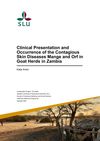 January 2025 in “Epsilon Archive for Student Projects (University of Southampton)”
 Mange and orf are present in some goat herds in Zambia, but more research is needed.
 October 2024 in “SPIRE - Sciences Po Institutional REpository”
 Glypicans help hair follicle stem cells differentiate by interacting with specific receptors, influencing hair growth.

Blocking the Mitochondrial Pyruvate Carrier causes stress in hair follicles, which can be reduced by an ISR inhibitor.
 June 2024 in “Al- Anbar Medical Journal”
 Acute telogen effluvium can be resolved by addressing causes, but chronic telogen effluvium is harder to treat.
 June 2024 in “Dermatology and therapy”
 Intramuscular injections improved hair density more than intradermal injections for treating hair loss.
 May 2024 in “Plant and Soil”
 Root hairs in maize grow mainly in air-filled pores, limiting their role in nutrient uptake and plant anchorage.
 April 2024 in “bioRxiv (Cold Spring Harbor Laboratory)”
 Removing Sprouty genes in mice causes various hormone-related issues but does not increase cancer risk by one year of age.

Minoxidil and nebivolol can help prevent aortic aging in diabetic mice.
 April 2024 in “bioRxiv (Cold Spring Harbor Laboratory)”
 A gene network led by RSL4 is crucial for early root hair growth in response to cold in Arabidopsis thaliana.
Premature graying of hair is linked to vitamin D and B12 deficiencies, thyroid issues, iron imbalance, stress, and lifestyle habits, and affects quality of life.
 March 2024 in “Tropical Journal of Natural Product Research”
 Many people in Fez-Meknes use potentially toxic plants for various health and cosmetic purposes, but more research is needed to ensure their safety.
 March 2024 in “Journal of medicinal plants studies”
 Hibiscus has medicinal benefits but can be toxic in high doses and is unsafe for pregnant women and infants.
 February 2024 in “Malahayati Nursing Journal”
 High androgen levels can cause hirsutism and increase inflammation.
 January 2024 in “Clinical, cosmetic and investigational dermatology”
 Dermatologists should customize cosmetic treatments for dark-skinned patients to minimize risks and complications.
 January 2024 in “Scientific reports”
 Egyptian Mint effectively kills mosquito larvae and inhibits certain bacteria.
 January 2024 in “Wiadomości Lekarskie”
 AI and robotics are improving treatment and monitoring of neurodegenerative disorders like Parkinson's.
 January 2024 in “Wiadomości Lekarskie”
 New markers can detect tumors, aid drug delivery, and treat cancer effectively and safely.
 January 2024 in “Wiadomości Lekarskie”
 AI can help diagnose Follicular Lymphoma by accurately identifying specific cell types.
 January 2024 in “Archives of pharmacy practice”
 The skin is vital for protection, temperature control, fluid balance, immunity, and sensing, with damage affecting daily life and mental health.
 January 2024 in “Wiadomości Lekarskie”
 Point of Care in radiology speeds up diagnosis and treatment by performing tests where the patient is.
 January 2024 in “RSC pharmaceutics”
 Removing the outer skin layer increases drug absorption and offers non-invasive treatment options, with some methods allowing for quick skin recovery.
 January 2024 in “Wiadomości Lekarskie”
 AI improves vascular surgery by enhancing diagnostics, planning, and monitoring.
 January 2024 in “Wiadomości Lekarskie”
 AI and advanced technologies are improving medical diagnostics and treatments.
 January 2024 in “Wiadomości Lekarskie”
 Augmented reality improves vascular surgery by reducing risks and operation times.
 January 2024 in “Wiadomości Lekarskie”
 Influencers impact medical communication both positively and negatively.
 January 2024 in “Wiadomości Lekarskie”
 Pemigatinib may be effective for treating ZMYM2::FGFR1 fusion-positive leukemia.