 2 citations
,
July 2012 in “InTech eBooks”
2 citations
,
July 2012 in “InTech eBooks” People with alopecia areata often have thyroid autoimmunity.
 1 citations
,
September 2023 in “Journal of the American Academy of Dermatology”
1 citations
,
September 2023 in “Journal of the American Academy of Dermatology” COVID-19 vaccines have been linked to an increase in hair loss conditions.
 November 2024 in “SKIN The Journal of Cutaneous Medicine”
 Ritlecitinib provides new treatment options for diverse alopecia areata patients.
 September 2023 in “JAAD case reports”
 A man developed oral hairy leukoplakia while on baricitinib, a medication for alopecia and arthritis, and doctors should watch for such side effects.
 May 2023 in “Clinical and Experimental Dermatology”
 Alopecia areata has a high chance of persisting and relapsing, with a significant risk of total hair loss, especially if it starts in childhood.
January 2022 in “Clinical Cases in Dermatology” An 11-year-old girl with severe hair loss was successfully treated with a new combination therapy.
 May 2018 in “European Journal of Dermatology”
 The first Japanese family with Marie Unna hereditary hypotrichosis showed hair condition improvement in a child and highlighted the risk of misdiagnosis.
 December 2017 in “Journal of the American Academy of Dermatology”
 The patient accepted her hair loss and adapted by wearing a wig and tattooing her eyebrows.
 January 2016 in “Chemistry & Industry”
 Two drugs, tofacitinib and ruxolitinib, may help regrow hair by activating hair follicles.
 February 2011 in “Annales de dermatologie et de vénéréologie”
 Tofacitinib shows promise for treating severe alopecia areata with good safety and effectiveness.
January 2009 in “Journal watch” The treatment helped some patients with severe hair loss regrow hair.
 September 1997 in “JEADV. Journal of the European Academy of Dermatology and Venereology/Journal of the European Academy of Dermatology and Venereology”
 Blocking IL-1 could help treat some hair loss conditions; alopecia affects liver detox systems; spironolactone is better than finasteride for female hair growth; focusing on the catagen hair phase could lead to new alopecia treatments.
Taking calcium may help elderly with osteoporosis, birth control with levonorgestrel doesn't increase heart attack risk, Salmonella can cause arthritis, a national ethics committee is recommended, and sulfasalazine might help with a hair loss condition.
February 2025 in “JDDG Journal der Deutschen Dermatologischen Gesellschaft” Deucravacitinib helped a man regrow hair and improve psoriasis.
 April 2016 in “Journal of The American Academy of Dermatology”
 People with certain allergic conditions or higher white blood cell counts have more severe hair loss, and treating hair and nail side effects early in melanoma therapy can improve quality of life.
7 citations
,
November 2021 in “JAAD Case Reports” Mogamulizumab can cause hair loss and skin rashes.
 1 citations
,
July 2019 in “Medicina Clínica (English Edition)”
1 citations
,
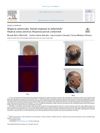
July 2019 in “Medicina Clínica (English Edition)” Tofacitinib partially improved hair regrowth in a patient with severe hair loss.
December 2018 in “UNIFESP Institutional Repository (Universidade Federal de São Paulo)” Minoxidil 5% helps with patchy alopecia areata, but more research is needed.
1 citations
,
February 2024 in “JEADV Clinical Practice” Pulse corticosteroid therapy helps many with severe alopecia areata regrow hair, but has side effects.
1 citations
,
April 2016 in “Journal of the American Academy of Dermatology” Autoimmune conditions can be linked to trichoepitheliomas, with treatment focusing on cosmetic concerns.
21 citations
,
November 2015 in “The journal of investigative dermatology. Symposium proceedings/The Journal of investigative dermatology symposium proceedings” There is no cure for alopecia areata, but treatments like JAK inhibitors show promise.
December 2025 in “Actas Dermo-Sifiliográficas” Ritlecitinib is effective and safe for treating severe alopecia areata in people aged 12 and older.
 July 2025 in “Journal of Cosmetic Dermatology”
 Alternative treatments are needed when Tofacitinib alone fails for alopecia areata.
March 2025 in “Medical Science of Ukraine (MSU)” Alopecia areata is an autoimmune disease causing hair loss, linked to immune and gut issues, needing more research for better treatments.
 9 citations
,
October 2017 in “Archivos Argentinos de Pediatria”
9 citations
,
October 2017 in “Archivos Argentinos de Pediatria” Alopecia areata needs new treatments targeting autoimmune processes due to its emotional impact and variable treatment responses.
 July 2024 in “Medical alphabet”
 Betamethasone injections are more effective than Clobetasol for treating alopecia areata in children.
 34 citations
,
October 2017 in “Archivos Argentinos De Pediatria”
34 citations
,
October 2017 in “Archivos Argentinos De Pediatria” Alopecia Areata is a complex, unpredictable autoimmune hair loss condition with limited treatment options and a significant psychological impact.
 16 citations
,
November 2016 in “Journal of Cosmetic and Laser Therapy”
16 citations
,
November 2016 in “Journal of Cosmetic and Laser Therapy” Laser and light therapies, especially the 308 nm excimer laser, are effective and safe for treating alopecia areata, but more research is needed.
 1 citations
,
October 2023 in “Dermatology and therapy”
1 citations
,
October 2023 in “Dermatology and therapy” Some treatments for severe hair loss work but often have side effects, with baricitinib showing the most promise.
 July 2026 in “Applied Sciences”
 Excimer laser therapy can help regrow hair in alopecia areata but is less effective for severe cases and has mixed results for cicatricial alopecia.