26 citations
,
March 2020 in “Antioxidants” Microwave-assisted Opuntia humifusa extract protects skin cells from pollution damage.
 43 citations
,
August 2016 in “International Journal of Nanomedicine”
43 citations
,
August 2016 in “International Journal of Nanomedicine” Eupafolin nanoparticles help protect skin cells from damage caused by air pollution.
 January 2014 in “University of the Arts London Research Online (University of the Arts London)”
 Certain ingredients can help protect hair color.
 April 2026 in “Frontiers in Medicine”
 Enfortumab vedotin can cause skin issues, especially in older males, needing early monitoring.
 6 citations
,
June 2013 in “Toxicological Research”
6 citations
,
June 2013 in “Toxicological Research” Topical Valproate is safe for human skin and unlikely to cause irritation.
16 citations
,
March 2023 in “Gels” Paeonol-loaded gels may help reduce inflammation and skin damage in atopic dermatitis.
 26 citations
,
May 2012 in “Pharmaceutical Development and Technology”
26 citations
,
May 2012 in “Pharmaceutical Development and Technology” PEVs effectively deliver minoxidil through skin.
29 citations
,
August 2011 in “PubMed” Polymeric pretreatments can significantly reduce hair breakage and damage from hot flat irons.
 May 2026 in “Scientific and Technical Bulletin оf State Scientific Research Control Institute of Veterinary Medical Products and Fodder Additives аnd Institute of Animal Biology”
 Zinc carbonate nanoparticles are not irritating or absorbed by the skin.
May 2020 in “The journal of investigative dermatology/Journal of investigative dermatology” BIVV009 is a safe treatment for bullous pemphigoid that reduces C3 deposition without harmful side effects.
January 1985 in “Clinical research” Topical alpha-terthienyl with UVA may safely treat psoriasis without cancer risk.
12 citations
,
October 2007 in “PubMed” Keratin helps protect and strengthen hair, reducing damage and color fading.
2 citations
,
January 2014 in “Photochemical & photobiological sciences” Grasp protein helps maintain skin health after UVB exposure.
7 citations
,
October 2019 in “Frontiers in bioengineering and biotechnology” Fusion proteins can protect hair from heat damage.
 September 2019 in “University of the Arts London Research Online (University of the Arts London)”
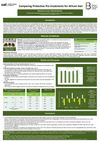
 Plant oils and polymers can help protect African hair from damage during styling.
September 2023 in “Journal of the American Academy of Dermatology” March 2015 in “DergiPark (Istanbul University)” PUVA treatment is effective and safe for alopecia areata.
 4 citations
,
July 2005 in “International Journal of Dermatology”
4 citations
,
July 2005 in “International Journal of Dermatology” Topical PUVA and tacrolimus ointment can effectively and safely treat infant alopecia universalis.
 September 2017 in “Journal of Investigative Dermatology”
 Mackerel fermented fish oil protects skin cells from damage by UVB light.
November 2025 in “Cosmetics” POLEVAN® improves hair shine, moisturizes the scalp, and maintains foam quality in shampoos.
 5 citations
,
January 2010 in “International journal of trichology”
5 citations
,
January 2010 in “International journal of trichology” PUVASOL might effectively treat complete scalp baldness.
1 citations
,
October 2010 in “Proceedings of SPIE, the International Society for Optical Engineering/Proceedings of SPIE” The skin fully recovered after using the optical clearing agent, showing no long-term harm.
4 citations
,
April 2025 in “Antioxidants” Alpha-ketoglutarate protects rabbit skin cells from oxidative damage by activating a specific cell pathway.
3 citations
,
August 2017 in “Dermatologic therapy” UVA-1 phototherapy might help treat alopecia areata.
 195 citations
,
January 2008 in “Photochemistry and Photobiology”
195 citations
,
January 2008 in “Photochemistry and Photobiology” Visible light can damage skin and most sunscreens don't block it well; more research is needed on its effects and protection methods.
116 citations
,
April 2022 in “Science Translational Medicine” The EG7 foam dressing improved wound healing and reduced inflammation better than other treatments.
78 citations
,
May 2019 in “Frontiers in Cellular and Infection Microbiology” DPK-060 in poloxamer gel effectively treats skin infections, but nanocarriers don't enhance its efficacy.
 February 2025 in “International Journal of Morphology”
 Vitamin E can reduce the negative effects of valproic acid on hair and skin development.
September 2018 in “Journal of Society of Cosmetic Chemists of Japan” Lipophilic Vitamin C improves damaged hair texture and condition.
1 citations
,
January 2017 in “International journal of trichology” Diphenylcyclopropenone (DPCP) effectively treated both alopecia areata and verruca vulgaris.