 December 2024 in “Archives of Dermatological Research”
 COVID-19 vaccines do not increase the risk of alopecia areata.
 April 2026 in “Portuguese Journal of Dermatology and Venereology”
 COVID-19 and its vaccines can cause various skin issues due to viral effects, immune responses, and stress.
 6 citations
,
September 2010 in “Archives of Dermatology”
6 citations
,
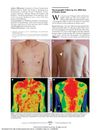
September 2010 in “Archives of Dermatology” Thermography matched the patient's pain levels in a shingles case and might help diagnose shingles without a rash.
July 2025 in “Pediatric Transplantation” A rare skin infection in a 10-year-old kidney transplant patient was successfully managed by adjusting medication.
 April 2017 in “Journal of Investigative Dermatology”
 A virus protein can activate a pathway that may lead to abnormal hair follicle development.
Herpes zoster can cause lasting nail and hair damage.
 119 citations
,
October 2011 in “Journal of Veterinary Internal Medicine”
119 citations
,
October 2011 in “Journal of Veterinary Internal Medicine” Rhodococcus equi causes severe pneumonia in young foals, and effective vaccines are needed due to foals' weak immune responses.
4 citations
,
August 2024 in “Journal of Clinical Medicine” COVID-19 mRNA vaccines may increase the risk of flare-ups in certain inflammatory diseases.
109 citations
,
June 2011 in “Molecular and Cellular Endocrinology” Vitamin D receptor mutations can cause alopecia by affecting hair growth genes.
10 citations
,
January 2018 in “International journal of trichology” Eruptive vellus hair cysts are rare and often misdiagnosed, requiring biopsy for accurate diagnosis.
1 citations
,
April 2017 in “Journal of Dermatological Science” Certain immune cells may cause hair loss by reacting to stressed hair follicles.
71 citations
,
January 2011 in “Journal of cutaneous pathology” A rare skin condition was confirmed to be associated with a specific virus in a young girl.
22 citations
,
March 1999 in “International Journal of Clinical Practice” Diphencyprone (DCP) is an effective treatment for severe alopecia areata and resistant warts, with some risks.
 7 citations
,
March 2022 in “Scientific reports”
7 citations
,
March 2022 in “Scientific reports” Removing anthrax toxin receptor 1 in pigs prevents Senecavirus A infection and causes a rare disease similar to GAPO syndrome.
3 citations
,
May 2009 in “Journal of Pediatric Gastroenterology and Nutrition” Consider infectious diseases like visceral leishmaniasis before diagnosing autoimmune hepatitis.
 12 citations
,
November 2014 in “Journal of Cutaneous Medicine and Surgery”
12 citations
,
November 2014 in “Journal of Cutaneous Medicine and Surgery” Antiviral medication valganciclovir may improve skin and hair in Trichodysplasia Spinulosa patients.
15 citations
,
December 2009 in “PubMed” A child with eruptive vellus hair cysts showed some improvement with calcipotriene cream.
1 citations
,
November 2023 in “Indian Dermatology Online Journal” Severe itching from shingles can cause hair loss due to rubbing.
 June 2026 in “Drugs in Context”
 Deucravacitinib effectively treats psoriasis and may help with other skin conditions.
 1 citations
,
September 2025 in “PLoS ONE”
1 citations
,
September 2025 in “PLoS ONE” Certain drugs may cause vitiligo, so patients should be monitored.
 July 2022 in “The journal of investigative dermatology/Journal of investigative dermatology”
 The early genes of a specific virus can cause abnormal skin cell growth and hair follicle changes.
Vitamin D receptor helps prevent skin tumors.
6 citations
,
February 2009 in “Journal of Investigative Dermatology”  February 2026 in “Libri Oncologici Croatian Journal of Oncology”
 Imiquimod shows promise as a non-invasive treatment for certain HPV-related lesions, but more research is needed to optimize its use.
1 citations
,
November 2023 in “Journal of Microbiology and Biotechnology” Immortalized human dermal papilla cells were created that grow better and can still help form hair.
 3 citations
,
January 2014 in “Middle East African Journal of Ophthalmology”
3 citations
,
January 2014 in “Middle East African Journal of Ophthalmology” A woman lost her hair after taking acyclovir, but it grew back when she stopped the medication.
100 citations
,
August 2011 in “Journal of Investigative Dermatology” Lack of vitamin D receptor increases skin tumor risk by boosting hedgehog signaling.
14 citations
,
April 2020 in “Journal of the American Academy of Dermatology” Viral reactivation is rare at the time of DRESS diagnosis in the U.S.
88 citations
,
August 1998 in “Carcinogenesis” High levels of ODC and a mutant Ha-ras gene cause tumors in mice.
4 citations
,
December 2022 in “Skin Research and Technology” Reduced Sonic hedgehog signaling leads to increased HPV replication and wart formation.