
A new AIRE gene mutation causes rare autoimmune symptoms in a Lebanese boy.
November 2025 in “PLoS ONE” Nucleic acids trigger chemokine production in skin cells, affecting skin inflammation.
 October 2025 in “Journal of Nanobiotechnology”
 The hydrogel helps wounds heal better by reducing inflammation and promoting skin regeneration.
October 2025 in “Portuguese Journal of Dermatology and Venereology” Accurate diagnosis of facial skin tumors requires detailed analysis to distinguish between benign and malignant types.
Steatocystomas are harmless skin cysts that can vary in size and may sometimes cause itching or pain.
October 2025 in “Influenza and Other Respiratory Viruses” Certain alkaloids could help create new coronavirus drugs.
September 2025 in “Journal of Ayurveda and Holistic medicine.” PCOS is viewed as a kapha-related disorder in Ayurveda, involving fat tissue issues and channel blockages.
 August 2025 in “International Journal of Contemporary Pediatrics”
 HLD10 can include increased body hair and Mongolian spots.
August 2025 in “Biomedicines” Half-siblings with a rare skin condition improved with treatment for a fungal infection, but hair loss remained.
August 2025 in “Dermatopathology” Pilomatricomas are often linked to genetic syndromes, especially Apert syndrome, and genetic analysis is crucial for diagnosis.
July 2025 in “International Journal of Molecular Sciences” Four new genes related to sheep wool were discovered, showing genetic diversity.
June 2025 in “British Journal of Dermatology” Segmented hair color changes can indicate active alopecia areata.
 May 2025 in “Journal of the ASEAN Federation of Endocrine Societies”
 VHL disease can cause early paragangliomas, needing lifelong monitoring.
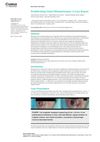
Recognizing and fully removing giant pilomatrixomas is crucial to prevent them from becoming cancerous.
 October 2024 in “Journal of the Endocrine Society”
 Ayme-Gripp Syndrome was confirmed in a woman through genetic testing, highlighting the need to consider rare genetic conditions in diagnoses.
August 2024 in “Cosmetics” Personalized treatments for hair loss are becoming more effective by using genetic information.
 July 2024 in “Medical alphabet”
 The SBN system effectively assesses alopecia areata severity and predicts its course.
 May 2024 in “Indian Journal of Dermatology”
 The woman has a rare skin condition called follicular Dowling-Degos disease, which has limited treatment options.
 March 2024 in “Skin research and technology”
 High CRP levels could indicate vitamin D deficiency in people with alopecia areata.
 February 2024 in “International Journal of Dermatology”
 Cryptococcoid Sweet syndrome can be linked to hydralazine use and multiple autoantibodies, requiring high clinical suspicion and more research.
 February 2024 in “Cureus”
 Pilomatrixoma should be considered for nodular lesions in adults.
 January 2024 in “Journal of Clinical Images and Medical Case Reports”
 Baricitinib may help treat frontal fibrosing alopecia and facial papules.
 January 2024 in “Clinical, cosmetic and investigational dermatology”
 A child with a rare vitamin D-resistant condition improved with treatment.
 January 2024 in “Wiadomości Lekarskie”
 The ABI1 gene contributes to prostate cancer progression and treatment resistance.
 January 2024 in “Wiadomości Lekarskie”
 A multidisciplinary approach is crucial for managing Silver-Russell syndrome effectively.
 December 2023 in “Journal of General Procedural Dermatology and Venereology Indonesia”
 A 61-year-old Filipino man had a skin condition that looked like another disease, making diagnosis difficult.
 November 2023 in “International Journal of Dermatology”
 Most women with long-term, widespread hair loss need a tissue examination for an accurate diagnosis.
 November 2023 in “Journal of plant nutrition and soil science”
 Boron deficiency in maize affects leaf boron levels and nutrient uptake differently depending on root hair presence and soil type.
 October 2023 in “Faculty Opinions – Post-Publication Peer Review of the Biomedical Literature”
 Using both minoxidil and finasteride together on the scalp works better for male hair loss than using either one alone.
 October 2023 in “IntechOpen eBooks”
 Genes and epigenetic changes are important in the development of Polycystic Ovary Syndrome.