12 citations
,
September 2020 in “Nanomaterials” The new drug delivery system improves vitiligo treatment by enhancing melanocyte activity and viability.
 2 citations
,
July 2015 in “Archives of Dermatological Research”
2 citations
,
July 2015 in “Archives of Dermatological Research” A new gene variant in the DSP gene is linked to a unique type of hair loss.
23 citations
,
January 2017 in “BMC Medical Genetics” A new CDH3 gene mutation was found in a Spanish patient with sparse hair and eye issues.
October 2025 in “Animals” Blue light masks improved coat condition and energy in horses with PPID.
3 citations
,
January 2025 in “PubMed” PCL threads are most effective for youthful skin by boosting collagen.
 September 2017 in “Journal of Investigative Dermatology”
 Hair follicle cells change their DNA packaging during growth cycles and when grown in the lab.
1 citations
,
July 2024 in “Journal of Investigative Dermatology” VYN201 shows promise as a safe and effective treatment for non-segmental vitiligo.
March 2017 in “International Society of Hair Restoration Surgery”  1 citations
,
June 2019 in “Journal of Biological and Scientific Opinion”
1 citations
,
June 2019 in “Journal of Biological and Scientific Opinion” PPD in mehendi can cause serious health problems and needs regulation.
 14 citations
,
October 2006 in “Journal of The American Academy of Dermatology”
14 citations
,
October 2006 in “Journal of The American Academy of Dermatology” A woman with Parkinson's disease experienced hair loss from the Parkinson's medication pramipexole, which improved after stopping the drug.
149 citations
,
April 2013 in “Drug Safety”  May 2023 in “Stem cell research & therapy”
 New method efficiently isolates hair growth cells from newborn mouse skin.
 August 2018 in “Journal of Investigative Dermatology”
 A woman with dermatomyositis improved after treatment for neck panniculitis, suggesting similar treatment for related conditions.
20 citations
,
November 2014 in “JAMA dermatology” The 810-nm diode laser improves skin texture in keratosis pilaris but not redness.
14 citations
,
August 2020 in “Journal of cosmetic dermatology” Experts recommend using PN-HPT™ for skin rejuvenation in various body areas but have less agreement on initial facial treatment cycles.
December 2025 in “Zagazig University Medical Journal” PDO threads may help regrow hair and increase thickness in hair loss.
1 citations
,
September 2024 in “Porto Biomedical Journal” Early and accurate diagnosis of primary vitreoretinal lymphoma is crucial to prevent serious complications.
 4 citations
,
January 2017 in “Annals of Dermatology”
4 citations
,
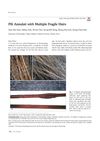
January 2017 in “Annals of Dermatology” Frequent hairdryer use may worsen hair fragility in people with Pili Annulati.
 January 2005 in “Elektronische Hochschulschriften der LMU München (Ludwig-Maximilians-Universität München)”
 Topical immunotherapy with DPCP is most effective for certain alopecia areata types, with success linked to age and disease duration, and influenced by a gene polymorphism.
 July 2008 in “Hair transplant forum international”
 The document cannot be understood or processed.
 May 2025 in “International Medical Case Reports Journal”
 Lichen planus pigmentosus may indicate undetected hepatitis C infection.
January 2010 in “프로그램북(구 초록집)” 
Deucravacitinib improves symptoms and reduces inflammation in Lichen Planopilaris.
 12 citations
,
February 2013 in “The Open Stem Cell Journal”
12 citations
,
February 2013 in “The Open Stem Cell Journal” DPSCs and SHED have great potential for medical treatments and tissue repair.
November 2024 in “Stem Cell Research & Therapy” A new method improves the isolation of hair follicle cells for better hair growth research.
59 citations
,
November 2011 in “Development” Trps1 is essential for proper hair follicle development.
January 2026 in “Methods in molecular biology” September 2025 in “Indian Journal of Dermatology” A Turkish woman has a hair condition caused by a LIPH gene mutation.
14 citations
,
August 2014 in “Journal of the American Academy of Dermatology” Diphenylcyclopropenone (DPCP) is effective in treating alopecia areata, with most patients showing significant hair regrowth.
 May 2017 in “American Society of Health-System Pharmacists eBooks”