29 citations
,
December 2021 in “Pharmaceutics” Phospholipid soft vesicles improve topical drug delivery for better skin condition treatments.
21 citations
,
June 2023 in “Journal of Nanobiotechnology” Engineered extracellular vesicles could improve CRISPR/Cas delivery, making gene editing safer and more effective.
19 citations
,
January 2023 in “Frontiers in Bioengineering and Biotechnology” MSC-sEVs may effectively treat chronic non-healing wounds.
17 citations
,
January 2025 in “Journal of Nanobiotechnology” Bacterial extracellular vesicles could revolutionize regenerative medicine but need safety improvements.
12 citations
,
May 2024 in “International Journal of Nanomedicine” Stem cell-derived vesicles show promise for healing diabetic wounds.
 10 citations
,
September 2024 in “Journal of Nanobiotechnology”
10 citations
,
September 2024 in “Journal of Nanobiotechnology” The microneedle patch helps heal infected wounds quickly and without scars.
3 citations
,
November 2022 in “International journal of molecular sciences” Bio-pulsed stimulation increases production of beneficial vesicles from bird stem cells that improve skin and hair cell functions.
2 citations
,
September 2025 in “Journal of Clinical Medicine” Small extracellular vesicles can help diagnose and manage sepsis.
2 citations
,
June 2025 in “Biomolecules” Microbiome analysis, BEVs, and AI can improve PCOS diagnosis and treatment.
 May 2024 in “International journal of nanomedicine”
 Plant-derived extracellular vesicles show promise for treating diseases like cancer and inflammation.
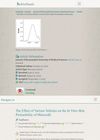 October 2022 in “Journal of Kermanshah University of Medical Sciences”
 Different substances can affect how well the skin absorbs minoxidil, a hair loss drug. Caprylic acid helps the skin absorb it the best, followed by propylene glycol and water.
 July 2026 in “Pharmaceuticals”
 Plant-derived extracellular vesicles show promise for delivering drugs and treating diseases.
 April 2026 in “Nanomaterials”
 Plant-derived vesicles from Ayurvedic plants may improve treatment delivery for hair growth and other conditions.
 May 2025 in “Journal of Extracellular Vesicles”
 Erythrocyte extracellular vesicles help hair growth and skin health.
 April 2024 in “Journal of cancer research and clinical oncology”
 Tissue-derived extracellular vesicles are crucial for cancer diagnosis, prognosis, and treatment.
 260 citations
,
January 2019 in “Pharmaceutics”
260 citations
,
January 2019 in “Pharmaceutics” Niosomes are a promising, stable, and cost-effective drug delivery system with potential for improved targeting and safety.
 128 citations
,
July 2009 in “International Journal of Pharmaceutics”
128 citations
,
July 2009 in “International Journal of Pharmaceutics” PEVs improve minoxidil skin penetration, increasing hair growth.
 46 citations
,
January 2020 in “Theranostics”
46 citations
,
January 2020 in “Theranostics” Injecting a special gel with human protein particles can help hair grow.
 34 citations
,
October 2021 in “Scientific Reports”
34 citations
,
October 2021 in “Scientific Reports” Nobiletin-loaded vesicles effectively treat skin cancer by restoring normal miRNA and antioxidant levels.
22 citations
,
October 2024 in “Advanced Healthcare Materials” The hydrogel treatment speeds up healing of chronic wounds.
21 citations
,
November 2019 in “Molecular & Cellular Proteomics” Citrullinated proteins from Porphyromonas gingivalis may contribute to rheumatoid arthritis.
 18 citations
,
September 2020 in “International Journal of Nanomedicine”
18 citations
,
September 2020 in “International Journal of Nanomedicine” Both human and animal-derived small extracellular vesicles speed up skin healing equally well.
14 citations
,
November 2024 in “Pharmaceuticals” Spanlastic nano-vesicles improve famotidine's effectiveness and absorption.
13 citations
,
December 2021 in “Journal of Cellular and Molecular Medicine” Exosome-enriched vesicles from placental cells improved skin condition in a patient with chronic graft-versus-host disease.
11 citations
,
July 2015 in “Journal of Anatomy” SLVs help maintain muscle stretch sensitivity and could aid in treating hypertension and muscle spasticity.
 2 citations
,
April 2023 in “Stem Cell Research & Therapy”
2 citations
,
April 2023 in “Stem Cell Research & Therapy” Tiny fat-derived particles can help repair soft tissues by changing immune cell types.
1 citations
,
July 2024 in “Nanomedicine” Stem cell-derived vesicles improve blood vessel growth in limbs.
 May 2026 in “International Journal of Biological Macromolecules”
 The hydrogel with Poria cocos vesicles helps regrow hair in hair loss by activating specific cell signals.
 May 2026 in “Applied Biochemistry and Biotechnology”
 Lemon-derived vesicles may help hair grow.
 January 2026 in “Journal of Biomedical Research”
 Small extracellular vesicles from stem and immune cells show promise for treating various diseases but face challenges in clinical use.