 1 citations
,
January 2016 in “Elsevier eBooks”
1 citations
,
January 2016 in “Elsevier eBooks” The document concludes that a complete skin restoration biomaterial does not yet exist, and more clinical trials are needed to ensure these therapies are safe and effective.

The hydrogel treatment speeds up healing of diabetic wounds.

Elderly skin care needs personalized treatment, early intervention, and integrated psychiatric care.
October 2025 in “Preprints.org” Adipose mesenchymal stem cells are best for skincare because they reduce inflammation and are safe and effective.
 March 2025 in “International Journal of Molecular Sciences”
 Veratric Acid may help promote hair growth and reduce hair loss.
12 citations
,
January 2022 in “Cells” Dermal papilla cell vesicles can boost hair growth genes in fat stem cells.
July 2024 in “Journal of Investigative Dermatology”  July 2000 in “Dermatologic Surgery”
 Dr. Yarborough denied endorsing Derma Genesis and was mistakenly represented due to his office manager's error; also, over 30% of tested skin products were contaminated with bacteria.

Exosome therapies improve skin, hair, and healing but face challenges like cost and regulation.
 January 2015 in “Indian Journal of Dermatology, Venereology and Leprology”
 The document concludes that various skin conditions have specific characteristics and treatments, and highlights the importance of vitamin D in managing these dermatological issues.
 5 citations
,
August 2019 in “Journal of The American Academy of Dermatology”
5 citations
,
August 2019 in “Journal of The American Academy of Dermatology” The document presents a new way to do skin treatments with a tool that lets you use microneedling and apply PRP at the same time with one hand.

PRP is promising for skin, hair, and wound treatments but needs standardized methods and more research.
 6 citations
,
October 2016 in “Journal of Cellular Physiology”
6 citations
,
October 2016 in “Journal of Cellular Physiology” Human dermal fibroblasts help microvascular endothelial cells grow, but not vice versa.
 March 2026 in “European Journal of Biomedical and Life Sciences”
 Restorative dermopigmentation improves skin appearance and function by addressing specific skin issues.
 August 2024 in “Indian Journal of Skin Allergy”
 Stem-cell therapy shows promise for skin conditions but needs more research.
April 2018 in “Dermatologic Surgery”  1 citations
,
March 2019 in “KnE life sciences”
1 citations
,
March 2019 in “KnE life sciences” HDPCM treatment healed a baby's congenital skin defect caused by varicella infection.
 November 2022 in “Journal of Investigative Dermatology”
 Growing dermal papilla cells in 3D improves their ability to help form new blood vessels.
32 citations
,
June 2024 in “Pharmaceutics” Nanoformulations improve drug delivery through the skin, reducing side effects and enhancing effectiveness.
July 2024 in “Journal of Investigative Dermatology” ATR04-484 ointment shows promise for treating skin issues from cancer therapies.
December 2025 in “Pharmaceutics” Personalized skin rejuvenation using genomics shows promise but needs more research.
 September 2022 in “Institutional Repositories DataBase (IRDB)”
 Adipose-derived stem cells can be transformed into hair-forming cells using specific extracellular vesicles, offering potential for hair regeneration therapies.
April 2025 in “European Journal of Pharmaceutics and Biopharmaceutics” The new drug delivery system improves bicalutamide skin retention for better treatment of hair loss.
 May 2026 in “Medical Sciences”
 Vesicle-based therapies from stem cells and plants improve burn healing and could be safe, scalable alternatives to cell transplants.
 April 2023 in “International journal of pharmaceutical sciences review and research”
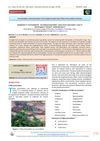
 The F2 Emulgel with Tridax procumbens extract showed the best qualities for healing wounds.
27 citations
,
January 2016 in “Indian Dermatology Online Journal” Dermoscopy is better than a magnifying lens for examining skin because it shows deeper details.
25 citations
,
February 2025 in “Frontiers in Bioengineering and Biotechnology” New skin repair methods show promise but need to be safer and more accessible.
 December 2019 in “Medicina estética”
 Dermoscopy is underused in aesthetic medicine, but it increases diagnosis confidence; more training is needed.
9 citations
,
January 2023 in “Indian Dermatology Online Journal” Medical aesthetics now helps treat medical conditions, expanding options for dermatologists.