January 2022 in “Social Science Research Network” Potassium channel modulators mostly increase the activity of rat whisker mechanoreceptors.
 5 citations
,
September 2009 in “Journal of Complementary and Integrative Medicine”
5 citations
,
September 2009 in “Journal of Complementary and Integrative Medicine” Citrullus colocynthis fruit extract and its compound may help treat enlarged prostate.
July 2017 in “Cancer Research” Krt15+ cells in mice can resist radiation, regenerate tissue, and start tumors, suggesting new cancer treatment targets.
 May 2022 in “Gastroenterology”
 Targeting NETs may help reduce fibrosis in Crohn's disease.
19 citations
,
April 2021 in “Stem Cell Research & Therapy” SVF cell transplantation improves skin regeneration safely.
 April 2018 in “Journal of Investigative Dermatology”
 CENPV, a new partner of CYLD, helps regulate ciliary acetylated tubulin and is overexpressed in certain skin tumors.
 April 2018 in “Journal of Investigative Dermatology”
 The new protocol using Cellutome™ and RCM safely assesses wound healing in detail.
January 2019 in “Institutional Repositories DataBase (IRDB)” Hair follicles and skin structures were successfully regenerated in the lab using specific cell arrangements and mechanical conditions.
3 citations
,
January 2021 in “Oxidative Medicine and Cellular Longevity” Nrf-2-modified stem cells from hair follicles significantly improve ulcerative colitis in rats.
 December 2023 in “Medical Times”
 The MEST method increases cell yield and volume for regenerative medicine but needs more testing.
 December 2020 in “Research Square (Research Square)”
 150 kHz Electromagnetic Radiation seems to reduce the number and size of ovarian cysts in rats with PCOS, with minimal changes in developing follicles.
 September 2022 in “bioRxiv (Cold Spring Harbor Laboratory)”
 A parasite-derived molecule speeds up skin healing and affects immune cell behavior without increasing scarring.
 16 citations
,
December 2018 in “ACS Biomaterials Science & Engineering”
16 citations
,
December 2018 in “ACS Biomaterials Science & Engineering” The new patch made of cell matrix and a polymer improves wound healing and supports blood vessel growth.

The patch speeds up wound healing by using electricity and heat.

Stiffness gradients in alginate gels can guide cancer cell invasion and study cellular behaviors.
 6 citations
,
February 2021 in “Journal of Ovarian Research”
6 citations
,
February 2021 in “Journal of Ovarian Research” 150 kHz electromagnetic radiation might help improve PCOS in rats.
18 citations
,
August 2015 in “International Journal of Molecular Sciences” Ovine hair follicle stem cells can regenerate haired skin and may improve wool production.
5 citations
,
July 1999 in “Journal of Anatomy” Methylene blue staining effectively reveals detailed nerve structures in rat snouts.
 11 citations
,
September 2012 in “Journal of Nanjing Medical University”
11 citations
,
September 2012 in “Journal of Nanjing Medical University” Cyclosporine A was found to increase hair growth in mouse whisker follicles.
 November 2023 in “npj regenerative medicine”
 Skin spheroids with both outer and inner layers are key for regrowing skin patterns and hair.
Clitocybin A can promote hair growth by increasing cell proliferation.
 November 2024 in “bioRxiv (Cold Spring Harbor Laboratory)”
 Exosomes from bovine colostrum may be effective for hair growth and slowing hair loss.
 April 2026 in “International Journal of Drug Delivery Technology”
 Lactobacillus acidophilus substances can kill and stop the spread of cervical cancer cells.
55 citations
,
November 2019 in “Cellular and Molecular Gastroenterology and Hepatology” Biotin may help treat inflammatory bowel disease by reducing inflammation and improving gut health.
October 2022 in “European Heart Journal” Potent extracellular vesicles from cardiosphere-derived cells can improve heart health and other functions in aging.
1 citations
,
January 2012 in “生物医学研究杂志:英文版” Cyclosporine A promotes hair growth in mice.
 August 2013 in “Gastroenterology”
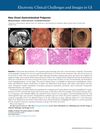
 A 60-year-old man with Cronkhite-Canada syndrome improved with treatment, but the condition has a high mortality rate and a risk of colorectal cancer.
1 citations
,
January 2012 in “International journal of trichology” Sheep hair follicle cells can grow a lot but need the dermal papilla to do so.
2 citations
,
September 2004 in “Experimental Dermatology” VR1 signaling can inhibit hair growth by affecting cell processes and increasing hair growth inhibitors.