12 citations
,
January 1991 in “Acta Dermato Venereologica” Basal cell epithelioma-like changes are most similar to normal basal cells.
 20 citations
,
April 2011 in “British Journal of Dermatology”
20 citations
,
April 2011 in “British Journal of Dermatology” Reflectance confocal microscopy can tell apart white dots on the scalp as either sweat gland ducts or hair follicle openings.
December 2025 in “Yassawi Journal of Health Sciences” Trichoscopy is essential for accurately diagnosing and differentiating types of hair loss.
 December 2020 in “Our Dermatology Online”
 Skin biopsies are recommended for confirming alopecia diagnosis due to variability in clinical assessments; the link between vitamin D levels and alopecia is unclear.
 28 citations
,
February 2014 in “Journal of Telemedicine and Telecare”
28 citations
,
February 2014 in “Journal of Telemedicine and Telecare” Smartphone-based teledermatology is effective for diagnosing skin diseases in the military with good accuracy.
 November 2022 in “Journal of Investigative Dermatology”
 Human-induced stem cell-created skin models can help understand skin diseases by studying the skin's layers.
 36 citations
,
October 2022 in “ULTRASONOGRAPHY”
36 citations
,
October 2022 in “ULTRASONOGRAPHY” Ultrasonography in dermatology improves diagnosis and treatment of skin conditions.
15 citations
,
February 2015 in “Anais brasileiros de dermatologia/Anais Brasileiros de Dermatologia” Dermoscopy helps accurately diagnose temporal triangular alopecia, avoiding unnecessary treatments.
 February 2024 in “Skin research and technology”
 LC-OCT is a promising tool for diagnosing and monitoring Alopecia areata.

Cattle with dermatophytosis in Diyala show severe skin damage and abnormalities.
2 citations
,
January 2021 in “Journal of The American Academy of Dermatology” A simple scalp scraping can effectively distinguish fibrosing alopecia from androgenetic alopecia with seborrheic dermatitis.
 1 citations
,
September 2023 in “International Journal of Dermatology”
1 citations
,
September 2023 in “International Journal of Dermatology” Early detection and treatment of folliculitis keloidalis can prevent disease progression.
27 citations
,
July 1983 in “Journal of Investigative Dermatology” October 2023 in “Clinical and Experimental Dermatology” Syphilitic alopecia can look like alopecia areata, so careful diagnosis is important.
2 citations
,
July 2024 in “Journal of Clinical Medicine” Telemedicine is effective for managing alopecia areata follow-ups.
 September 2024 in “Archiv Euromedica”
 Trichoscopy is a quick, accurate, and non-invasive method to diagnose and treat non-scarring hair loss.
 January 2020 in “Journal of The European Academy of Dermatology and Venereology”
 In 2019, dermatology and venereology improved skin cancer imaging, advanced in treating skin conditions like psoriasis, and explored the skin microbiome's role in diseases.
 April 2018 in “Journal of Investigative Dermatology”
 Watching, not removing, skin growths with moderate atypia and positive edges is okay; patients may get melanoma elsewhere, especially if they've had it before.
February 2023 in “International Journal of Advanced Research” Trichoscopy is a cost-effective and non-invasive tool for diagnosing alopecia areata.
12 citations
,
September 1997 in “PubMed” Vitamin D could be important for many skin functions and synthetic versions may treat various skin diseases.
 April 1963 in “Archives of Dermatology”
 Dermatological conditions are complex and treatments often have mixed results.
4 citations
,
February 2018 in “InTech eBooks” 15 citations
,
February 2011 in “Experimental Dermatology” Betamethasone dipropionate reduced skin thickness, fish oil increased it, and combined treatment had no significant effect.
Vitamin D is crucial for skin health and managing skin diseases.
 5 citations
,
February 2015 in “JEADV. Journal of the European Academy of Dermatology and Venereology/Journal of the European Academy of Dermatology and Venereology”
5 citations
,
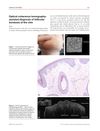
February 2015 in “JEADV. Journal of the European Academy of Dermatology and Venereology/Journal of the European Academy of Dermatology and Venereology” OCT can non-invasively diagnose follicular keratosis and other hair follicle disorders.
July 2025 in “INTERNATIONAL JOURNAL OF SCIENTIFIC RESEARCH” Trichoscopy is crucial for diagnosing alopecia areata by identifying specific hair features.
 July 2003 in “British Journal of Dermatology”
 Some skin conditions are associated with other serious diseases, and office microscopy may miss many fungal infections.
20 citations
,
February 2018 in “Journal of the European Academy of Dermatology and Venereology” Topical vitamin C may help treat skin fragility in the elderly.
January 2005 in “Dermatology”  96 citations
,
January 2013 in “International Journal of Trichology”
96 citations
,
January 2013 in “International Journal of Trichology” Trichoscopy is a useful, non-invasive way to diagnose different types of hair loss.