January 2005 in “mediaTUM – the media and publications repository of the Technical University Munich (Technical University Munich)” Vitamin D and glucocorticoids affect bone growth, metabolism, and immune response.
 10 citations
,
February 2008 in “Photochemistry and photobiology”
10 citations
,
February 2008 in “Photochemistry and photobiology” Vitamin D receptor can control the hairless gene linked to hair loss even without vitamin D.
86 citations
,
August 2015 in “The Journal of Steroid Biochemistry and Molecular Biology” Vitamin D and calcium are essential for effective wound healing and hair growth.
May 2015 in “Immunology Endocrine & Metabolic Agents - Medicinal Chemistry” Vitamin D and calcium are essential for effective wound healing.
1 citations
,
December 2017 in “Wound healing” Vitamin D and calcium are crucial for proper skin wound healing.
 April 2016 in “Journal of Investigative Dermatology”
 Double-stranded RNA activates a pathway that causes a skin protein to be expressed in the wrong place.
 25 citations
,
August 2014 in “Endocrinology”
25 citations
,
August 2014 in “Endocrinology” Researchers created a mouse model of a type of rickets that does not cause hair loss.
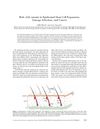
 January 2006 in “Advances in developmental biology”
 The Hairless gene is crucial for healthy skin and hair growth.
 61 citations
,
January 2008 in “Cold Spring Harbor Symposia on Quantitative Biology”
61 citations
,
January 2008 in “Cold Spring Harbor Symposia on Quantitative Biology” Beta-catenin is crucial for skin cell growth, development, and cancer formation.
 1 citations
,
September 2023 in “Life science alliance”
1 citations
,
September 2023 in “Life science alliance” Vitamin D Receptor is crucial for hair follicle shrinkage and cell death, affecting hair growth.
 March 2013 in “Journal für Kardiologie (Krause & Pachernegg GmbH)”
 Hormones significantly affect hair growth and loss, with potential for new treatments.
 146 citations
,
January 2004 in “Hormones”
146 citations
,
January 2004 in “Hormones” Human skin acts like a hormone-producing organ, making and managing various hormones important for skin and hair health.
 46 citations
,
May 2018 in “The journal of investigative dermatology/Journal of investigative dermatology”
46 citations
,
May 2018 in “The journal of investigative dermatology/Journal of investigative dermatology” The vitamin D receptor is essential for skin stem cells to grow, move, and become different cell types needed for skin healing.
 December 2017 in “Elsevier eBooks”
 The vitamin D receptor helps maintain hair and bone health even without binding vitamin D.
 510 citations
,
August 2006 in “Endocrinology”
510 citations
,
August 2006 in “Endocrinology” The vitamin D receptor is involved in multiple body functions beyond calcium regulation, including immune response and rapid reactions not related to gene activity.
 20 citations
,
July 2017 in “Scientific Reports”
20 citations
,
July 2017 in “Scientific Reports” A single amino acid change in the vitamin D receptor can disrupt its function and lead to hair loss.
 13 citations
,
November 2013 in “Journal of Endocrinology/Journal of endocrinology”
13 citations
,
November 2013 in “Journal of Endocrinology/Journal of endocrinology” Vitamin D receptor helps control hair growth genes in skin cells.

The vitamin D receptor has many roles in the body beyond managing calcium, affecting the immune system, hair growth, muscles, fat, bone marrow, and cancer cells.
 271 citations
,
September 2008 in “Nutrition reviews”
271 citations
,
September 2008 in “Nutrition reviews” Vitamin D receptor interacts with certain dietary components to help prevent diseases and regulate hair growth.
 1308 citations
,
March 1998 in “Journal of bone and mineral research”
1308 citations
,
March 1998 in “Journal of bone and mineral research” The vitamin D receptor is crucial for bone health and affects various body systems, with mutations potentially leading to disease.
 59 citations
,
April 2016 in “Breast Cancer Research and Treatment”
59 citations
,
April 2016 in “Breast Cancer Research and Treatment” Targeting vitamin D and androgen receptors may effectively treat triple-negative breast cancer, especially with chemotherapy.
 36 citations
,
January 2017 in “Journal of Obstetrics and Gynaecology Research”
36 citations
,
January 2017 in “Journal of Obstetrics and Gynaecology Research” The review found no clear link between vitamin D receptor gene variations and polycystic ovary syndrome.
 10 citations
,
September 2015 in “PLoS ONE”
10 citations
,
September 2015 in “PLoS ONE” New mutations in the VDR gene cause vitamin D-resistant rickets without hair loss.
 277 citations
,
July 2002 in “Molecular Endocrinology”
277 citations
,
July 2002 in “Molecular Endocrinology” Removing part of the vitamin D receptor stops vitamin D from working properly.
 81 citations
,
January 2006 in “Journal of cellular physiology”
81 citations
,
January 2006 in “Journal of cellular physiology” Mice without the vitamin D receptor gene lose hair due to disrupted hair follicle cycles.
 42 citations
,
July 2007 in “Journal of Biological Chemistry”
42 citations
,
July 2007 in “Journal of Biological Chemistry” Most Hairless gene mutations reduce its ability to work with the Vitamin D Receptor, which might explain a certain type of hair loss.
 37 citations
,
April 2011 in “Journal of Biological Chemistry”
37 citations
,
April 2011 in “Journal of Biological Chemistry” LEF1 interacts with Vitamin D Receptor, affecting hair follicle regeneration and this could be linked to hair loss conditions.
 29 citations
,
December 2017 in “International Journal of Dermatology”
29 citations
,
December 2017 in “International Journal of Dermatology” People with alopecia areata often have lower vitamin D levels, which are linked to more severe and longer-lasting hair loss, but vitamin D receptor levels in the skin don't show the same pattern and don't predict treatment success.
 28 citations
,
March 2017 in “Endocrinology”
28 citations
,
March 2017 in “Endocrinology” Removing vitamin D and calcium receptors in mice skin cells slows down skin wound healing.
 7 citations
,
October 2019 in “Clinical, Cosmetic and Investigational Dermatology”
7 citations
,
October 2019 in “Clinical, Cosmetic and Investigational Dermatology” Certain gene variations in the Vitamin D receptor may increase the risk of chronic hair loss.