
PmtHEE is a better model for studying pigmented skin because it includes melanocytes and shows improved cell differentiation.
 April 2024 in “Journal of cancer research and clinical oncology”
 Tissue-derived extracellular vesicles are crucial for cancer diagnosis, prognosis, and treatment.
 December 1984 in “British journal of addiction”
 Doctors linked maternal drinking to infant mortality and national decline, leading to public awareness and changes in law.
1 citations
,
December 2023 in “Biomolecules” Regulating cell death in hair follicles can help prevent hair loss and promote hair growth.
 January 2017 in “Egyptian Journal of Dermatology and Venereology”
 Iron deficiency may contribute to chronic hair loss in premenopausal women.
50 citations
,
February 2013 in “BMC evolutionary biology” Cetaceans lost hair due to changes in the Hr and FGF5 genes.
22 citations
,
March 2023 in “Bioengineering” Stem cell therapies may help improve symptoms and quality of life for people with epidermolysis bullosa.
3 citations
,
November 2019 in “Journal of the ASEAN Federation of Endocrine Societies” A 20-year-old woman with a rare form of Turner syndrome showed improvement with hormonal therapy and needs comprehensive care.
319 citations
,
March 2023 in “Science Advances” A wearable patch speeds up healing of chronic wounds by monitoring and treating them.
249 citations
,
November 2018 in “Cell” TNFα helps grow and maintain liver cells in 3D culture for a long time.
119 citations
,
August 2008 in “BMC Evolutionary Biology” KRTAP genes evolved early in mammals, leading to diverse hair traits.
22 citations
,
November 2023 in “Molecules” Smart microneedles can deliver drugs painlessly and accurately for diseases like diabetes and tumors.
15 citations
,
July 2024 in “Current Issues in Molecular Biology” Understanding molecular processes in skin development is key to creating targeted treatments for skin disorders.
13 citations
,
June 2024 in “Frontiers in Genetics” About 50% of 46, XY DSD cases lack a genetic diagnosis, but advanced sequencing methods improve detection.
8 citations
,
July 2025 in “Gels” Functionalized hydrogels can help heal tissues and fight infections by delivering beneficial bacteria and antimicrobials.
4 citations
,
July 2024 in “Biomolecules” Women with PCOS may have a higher risk of Alzheimer's disease.
 1 citations
,
December 2022 in “BMC Plant Biology”
1 citations
,
December 2022 in “BMC Plant Biology” The black orchid Brasiliorchis schunkeana produces chemicals that attract certain insects and have potential antimicrobial properties.
 73 citations
,
June 2008 in “The Journal of Clinical Endocrinology and Metabolism”
73 citations
,
June 2008 in “The Journal of Clinical Endocrinology and Metabolism” Polycystic ovarian shape is a genetic sign of PCOS and its hormonal and metabolic features can be inherited.
 61 citations
,
January 2017 in “Human Reproduction Open”
61 citations
,
January 2017 in “Human Reproduction Open” The review recommends hormone replacement therapy for women with premature ovarian insufficiency to manage symptoms and protect health, with specific approaches for different groups.
2 citations
,
December 2013 in “The Journal of Dermatology” 29 citations
,
March 2012 in “Journal of Experimental Biology” Tarantula feet likely have chemoreceptors, not silk-producing parts.
24 citations
,
March 2008 in “Neuroscience Research” Cat paws have complex touch sensors for detailed sensory processing.
 46 citations
,
July 2007 in “Journal of comparative neurology”
46 citations
,
July 2007 in “Journal of comparative neurology” Manatee whiskers are specially adapted for touch in water.
 January 2023 in “Burns & Trauma”
 The study concluded that the new wound model can be used to evaluate skin regeneration and nerve growth.
 8 citations
,
September 2016 in “Journal of Investigative Dermatology”
8 citations
,
September 2016 in “Journal of Investigative Dermatology” Mice with more Flightless I protein grew back their claws better after amputation.
September 2023 in “UCrea (University of Cantabria)” Nails are essential for fingertip regeneration.
 11 citations
,
November 2005 in “The Journal of Dermatology”
11 citations
,
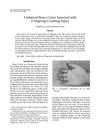
November 2005 in “The Journal of Dermatology” A man's crushed thumb caused unusual horizontal nail ridges on all fingers of one hand.
 6 citations
,
September 2021 in “Experimental Brain Research”
6 citations
,
September 2021 in “Experimental Brain Research” Rats have different touch receptors in their paws that help with movement and handling objects.
 December 2025 in “Nature Communications”
 Club-like receptors detect light touch but not whisking.
 10 citations
,
October 2016 in “Experimental Dermatology”
10 citations
,
October 2016 in “Experimental Dermatology” Nail stem cells and Wnt signaling are important for fingertip regeneration but not sufficient for regenerating more complex limb structures.