February 2006 in “PubMed” Docetaxel slightly extends prostate cancer survival but has significant side effects and high cost.
9 citations
,
March 2023 in “Chemosphere” Certain pesticides may delay sexual maturity in teenage boys.
 July 2026 in “Zenodo (CERN European Organization for Nuclear Research)”
 Herbal cosmetics are beneficial but need more testing and standardization for global use.
 December 2021 in “Daehanhanuihakoeji”
 The traditional herbal formulas Yongdamsagan-Tang and Paljung-san, along with the drug finasteride, can reduce inflammation and may work together without affecting each other's effectiveness against benign prostatic hyperplasia.
January 2016 in “Huanjing yu Jiankang Zazhi” 19 citations
,
September 2013 in “Psychoneuroendocrinology” Blocking CYP17A1 enzyme may help improve certain brain function issues related to dopamine.
 1 citations
,
December 2021 in “Androgens”
1 citations
,
December 2021 in “Androgens” Testosterone and its metabolites affect brain functions and could help treat neurological disorders.
38 citations
,
October 2005 in “Expert opinion on therapeutic patents” Selective androgen receptor modulators (SARMs) are a promising type of drug for various health conditions due to their targeted actions.
September 2025 in “Medicine & Science in Sports & Exercise” Gender-affirming hormone therapy and surgery affect gut bacteria differently.
 1 citations
,
July 2023 in “International Journal of Molecular Sciences”
1 citations
,
July 2023 in “International Journal of Molecular Sciences” Old psychiatric drugs are increasingly being used for new purposes, and technologies like SmartCube® help create new drugs.
 January 2023 in “Bioorganičeskaâ himiâ”
 The new compound is a promising, less toxic alternative to finasteride for treating prostate issues.
 December 2023 in “Journal of ethnopharmacology”
 Tribuloside can increase skin pigmentation by enhancing melanin production and distribution.
 April 2017 in “International journal of research in Ayurveda and pharmacy”
 Ayurvedic methods can help reduce the harmful effects of chemicals in cosmetics.
January 2025 in “Indian Journal of Experimental Biology” Carbon black nanoparticles can harm liver and kidney function in mice.
23 citations
,
February 2010 in “European Journal of Medicinal Chemistry”  April 2018 in “Radiotherapy and Oncology”
 Mitochondria may influence how cells respond to radiation, affecting nearby non-irradiated cells.
January 2023 in “Toxicological Research” July 2026 in “Frontiers in Bioengineering and Biotechnology” Microbioreactors improve cell-based therapies and personalized medicine but face scalability challenges.
 13 citations
,
January 2019 in “Colloids and Surfaces B: Biointerfaces”
13 citations
,
January 2019 in “Colloids and Surfaces B: Biointerfaces” The new drug delivery systems made with surfactants and block polymers are stable and not toxic.
65 citations
,
March 2022 in “Molecules” Nanocarriers can enhance cosmetics but face regulatory and safety challenges.
 2 citations
,
March 2001 in “Environmental Health Perspectives”
2 citations
,
March 2001 in “Environmental Health Perspectives” Small hormonal imbalances can cause significant health problems, so more sensitive testing for hormone-disrupting chemicals is needed.
 May 1994 in “Reactions Weekly”
 Many medications can cause hair loss or excessive hair growth, which is usually reversible after stopping the drug.
21 citations
,
February 1988 in “Toxicology” High doses of TCB cause severe health issues in marmoset monkeys.
 6 citations
,
October 2013 in “Expert Review of Dermatology”
6 citations
,
October 2013 in “Expert Review of Dermatology” Psychotropic medications can cause skin problems, including serious conditions, and patients should be monitored closely.
 5 citations
,
October 2022 in “Phenomics”
5 citations
,
October 2022 in “Phenomics” Your skin is like an ecosystem, with its own community of microbes and substances that interact and affect its health.
62 citations
,
December 1941 in “Experimental biology and medicine” Eating phenylthiocarbamide made all the rats' hair go gray, but some returned to their original color after stopping.
 3 citations
,
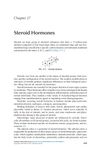
January 2016 in “Elsevier eBooks”
3 citations
,
January 2016 in “Elsevier eBooks” Steroid hormones are crucial for body functions and have various medical uses, but their misuse can lead to dependence.
40 citations
,
July 2023 in “Clinical Pharmacology & Therapeutics” Targeted protein degraders show promise in treating cancer but need to target more diverse proteins.
 August 2023 in “JOJ dermatology & cosmetics”
 Antibiotics often cause skin reactions, making them a major health concern.
 15 citations
,
January 2008 in “Annales de Toxicologie Analytique”
15 citations
,
January 2008 in “Annales de Toxicologie Analytique” Hair test results can be misleading due to contamination, so they shouldn't be used alone to determine drug use.