 April 2025 in “Otorhinolaryngology Clinics - An International Journal”
 Histopathological examination is crucial to avoid misdiagnosis and ensure proper treatment for skin lesions.
 February 2024 in “Cureus”
 Pilomatrixoma should be considered for nodular lesions in adults.
 January 2024 in “International Research Journal Of Modernization In Engineering Technology And Science”
 Licorice helps with acne, eczema, dandruff, hair growth, and skin health but may raise blood pressure.
 July 2023 in “Journal of Ayub Medical College Abbottabad”
 A woman in Pakistan was diagnosed with Lupus Vasculitis and treated successfully.
 June 2023 in “International journal of research in ayurveda and pharmacy”
 Dhatryadi Rasayana, an Ayurvedic herbal mix, may be a safe and effective way to prevent premature hair greying.
 January 2022 in “International journal of Ayurveda and pharma research”
 Premature graying of hair is linked to an imbalance of body energies in Ayurveda and treatment varies based on the specific imbalance.
 January 2022 in “Nasza Dermatologia Online”
 Dermoscopy helps doctors recognize a type of benign skin tumor called pilomatricoma.
 June 2021 in “Scholars journal of applied medical sciences”
 Trichofolliculoma, a rare benign hair follicle tumor, can potentially recur.
 July 2019 in “Acta Scientiae Veterinariae”
 Removing a testicular tumor in a dog reduced its aggressive behavior and skin problems.
 December 2017 in “Springer eBooks”
 Transplant patients often get skin problems, with treatments varying by condition.
 September 2016 in “Journal of Dermatological Science”
 Golden oyster mushroom extract may protect skin cells from aging by its antioxidant properties.
 April 2016 in “Journal of The American Academy of Dermatology”
 Spironolactone use is not linked to an increased risk of breast cancer, but caution is advised for high-risk patients.
 April 2016 in “Journal of The American Academy of Dermatology”
 Certain skin diseases are linked to Agent Orange and similar chemicals; veterans should be screened and informed about uncertain risks, and current data doesn't link spironolactone with breast cancer.
 September 2015 in “Philippine Journal of Internal Medicine”
 Recognizing and treating overlap syndrome in connective tissue diseases is crucial.
 April 2015 in “Reactions Weekly”
 Some elderly men had healing problems after using imiquimod and diclofenac for skin conditions on their scalps.
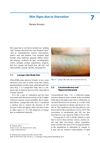 June 2012 in “Springer eBooks”
 Skin changes can indicate starvation and nutritional deficiencies in anorexia nervosa.
 September 2016 in “Journal of Dermatological Science”
 The protein aPKCλ is crucial for keeping hair follicle stem cells inactive and for hair growth and regeneration.
 January 2014 in “Journal of Pharmaceutical Negative Results”
 Liquorice and Indian jujube root extracts don't help in fighting male pattern baldness.
 5 citations
,
January 2022 in “Scientific reports”
5 citations
,
January 2022 in “Scientific reports” The research identified two types of keratinocytes in chicken scales: one for hard scales and another for soft skin, with similarities to human skin differentiation.
January 2011 in “대한피부과학회지” A 7-year-old girl was diagnosed with trichothiodystrophy due to low sulfur levels in her hair.
January 2022 in “Indian dermatology online journal” A baby with a skin condition improved with treatment but developed a rare form of the condition affecting only his trunk.
2 citations
,
August 2007 in “Zoonoses and Public Health” Two southern chamois in the Eastern Pyrenees had skin infections caused by a fungus.
The document concludes that dermatology training and grading scales need to better represent dark-skinned individuals to improve diagnosis and assessment of skin conditions.
19 citations
,
November 1937 in “Experimental biology and medicine” Nutritional deficiencies in rats cause skin problems that can be treated with the right vitamins.
November 2024 in “Journal of Investigative Dermatology” Genetic defects in the Wnt/PCP pathway may cause congenital yellow nail syndrome.
9 citations
,
January 1989 in “Journal of Small Animal Practice” Abyssinian cats can have a hair abnormality that makes their coat look rough and dull.
 4 citations
,
January 1992 in “The Tohoku Journal of Experimental Medicine”
4 citations
,
January 1992 in “The Tohoku Journal of Experimental Medicine” Zinc made mice's coarse hair turn into fine hair without affecting skin structure.
15 citations
,
June 2020 in “Journal of the American Academy of Dermatology” Shiny white structures in trichoscopy can indicate long-standing discoid lupus erythematosus alopecia.
 6 citations
,
April 1985 in “Australasian journal of dermatology”
6 citations
,
April 1985 in “Australasian journal of dermatology” The cause of the syndrome with scalp scaling and hair loss is unknown.
January 2011 in “Linchuang pifuke zazhi”