January 2026 in “JAAD International” Baricitinib effectively promotes beard regrowth in most men with alopecia areata universalis.
June 2025 in “British Journal of Dermatology” Tofacitinib is more effective than methotrexate for treating moderate-to-severe alopecia areata.
August 2019 in “Journal of the American Academy of Dermatology” Tofacitinib may help hair regrowth in alopecia areata, but more research is needed.
7 citations
,
September 2024 in “The Journal of Dermatology” Ritlecitinib helps regrow hair in people with alopecia totalis and universalis and is safe to use.
23 citations
,
December 2013 in “Molecular cancer therapeutics” Breast cancer treatments work better with AR activation, improving results and reducing side effects.
7 citations
,
January 2023 in “Anti-Cancer Drugs” Early diagnosis and treatment of EGFR inhibitor-induced folliculitis decalvans can prevent permanent hair loss.
 2 citations
,
January 2020 in “Einstein (São Paulo)”
2 citations
,
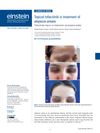
January 2020 in “Einstein (São Paulo)” Topical tofacitinib shows promise as a future treatment for alopecia areata.
 November 2024 in “SKIN The Journal of Cutaneous Medicine”
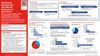
 Baricitinib is widely used for several conditions, especially COVID-19, but its safety and effectiveness are still being evaluated.
May 2025 in “Dermatology Online Journal” Erlotinib can cause excessive eyelash growth.
147 citations
,
October 2021 in “Cancer Communications” RC48 shows promise for treating certain advanced cancers, but more research is needed.
 October 2024 in “Canadian Journal of Health Technologies”
 Olumiant should be covered for severe alopecia areata if certain conditions are met.
 September 2024 in “Journal of the European Academy of Dermatology and Venereology”
 Baricitinib effectively reduces hair loss in severe alopecia areata with mild side effects.
June 2026 in “Cancer Research Communications” The treatment combination is safe and effective for some patients with this type of breast cancer.
January 2000 in “Cambio 16” Bcl-2 affects hair growth and pigmentation by controlling cell death.
 1 citations
,
February 2024 in “JEADV. Journal of the European Academy of Dermatology and Venereology/Journal of the European Academy of Dermatology and Venereology”
1 citations
,
February 2024 in “JEADV. Journal of the European Academy of Dermatology and Venereology/Journal of the European Academy of Dermatology and Venereology” Baricitinib effectively promotes long-term hair regrowth in alopecia areata patients.
19 citations
,
August 2023 in “Journal of Dermatological Treatment” Abrocitinib may effectively treat stubborn alopecia universalis.
 March 2024 in “Clinical, cosmetic and investigational dermatology”
 Tofacitinib successfully treated vitiligo in a patient with lupus without side effects.
Baricitinib quickly improved severe alopecia areata, with almost total hair regrowth in three months.
October 2024 in “Clinical Cosmetic and Investigational Dermatology” Brevilin-A is a safe and effective treatment for mild to moderate alopecia areata in children.
 16 citations
,
March 2015 in “Clinical Cancer Research”
16 citations
,
March 2015 in “Clinical Cancer Research” The document concludes that side effects from Smoothened inhibitor drugs for skin cancer are reversible and can be managed with a team approach to maintain quality of life.
 December 2023 in “Acta dermato-venereologica”
 Tofacitinib is effective for treating alopecia areata, and starting treatment early may improve results.
3 citations
,
April 2021 in “Oncology Times” Trodelvy™ helped some patients with advanced breast cancer, but had side effects.
1 citations
,
October 2023 in “European Journal of Dermatology” Combining hair transplantation with PRP is more effective for treating hair loss than hair transplantation alone.
 May 2023 in “International Journal of Trichology”
 Tofacitinib effectively treated severe hair loss in a patient who didn't respond to other treatments.
3 citations
,
September 2016 in “Dermatologic Therapy” Doxycycline helps prevent skin issues from erlotinib in lung cancer patients.
2 citations
,
September 2023 in “Journal of the American Academy of Dermatology” Baricitinib is a safe and effective treatment for severe alopecia areata.
2 citations
,
June 2020 in “Clinical Journal of Gastroenterology” Tofacitinib effectively treated both ulcerative colitis and alopecia areata in two patients.
16 citations
,
May 2022 in “New England Journal of Medicine” Baricitinib is not very effective for severe alopecia areata.
10 citations
,
July 2016 in “Clinical and translational science” Sorafenib often causes mucositis, hand-foot syndrome, rash, alopecia, diarrhea, and fatigue.
 7 citations
,
April 2021 in “British Journal of Dermatology”
7 citations
,
April 2021 in “British Journal of Dermatology” Topical tofacitinib may effectively and safely regrow facial hair in some people with alopecia areata.