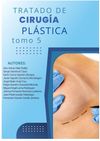
 June 2023 in “Juan Cuevas eBooks”
 Personalized care and evaluation are crucial for successful plastic surgery outcomes.
COVID-19 can cause skin problems and affect dermatology treatments, with recommendations for skin care and cautious use of certain drugs.

More research is needed to confirm the potential of various treatments, including Helichrysum plicatum, vitamins, bromelain, personalized medications, hydrogels, and bacteriophage therapy.
 January 2023 in “Brazilian Journals Editora eBooks”
 Girls with Autism Spectrum Disorder may show different symptoms than boys, leading to missed or delayed diagnoses.
 January 2023 in “Brazilian Journals Editora eBooks”
 People with cleft lip and palate often have respiratory problems.
 January 2023 in “Brazilian Journals Editora eBooks”
 Passiflora incarnata may help with anxiety and sleep issues but has side effects; teleconsultation for heart failure can improve quality of life; increased screen time for children during the pandemic led to more clinical complaints; older and severely affected COVID-19 patients are more likely to have long-term symptoms.
 January 2023 in “Brazilian Journals Editora eBooks”
 Nursing staff's mental health was affected during the COVID-19 pandemic.
 January 2023 in “Brazilian Journals Editora eBooks”
 The document concludes that Passiflora incarnata could help with anxiety, telemedicine might improve heart failure care, screen time for kids has increased, pregnant teens in Brazil are mostly okay with their body image, rare tuberculosis infection can occur after knee surgery, older and severely ill people are more likely to have long COVID-19 symptoms, HPLC might diagnose more diabetes cases, and psychiatrists should be involved in pain management.
 January 2023 in “Brazilian Journals Editora eBooks”
 Pharmacists play a key role in managing the use of anxiety medications and ensuring patients use them correctly.
 January 2023 in “Brazilian Journals Editora eBooks”
 Psychiatrists are crucial in pain management teams because they help treat severe pain and related mental health issues.
 January 2023 in “Brazilian Journals Editora eBooks”
 The document concludes that Passiflora incarnata may help with anxiety, healthcare workers need mental support, common bacteria cause hospital UTIs, telehealth for heart failure needs research, kids' screen time has increased, pregnant teens are mostly okay with their body image, diagnosing post-surgery tuberculosis is hard, older and severely ill people are more likely to have long COVID symptoms, and psychiatrists should be part of pain management teams.
 January 2023 in “Brazilian Journals Editora eBooks”
 Surgery to fix a broken upper arm bone can sometimes lead to nerve damage.
 January 2023 in “Brazilian Journals Editora eBooks”
 Passiflora incarnata may help with anxiety but has risks and drug interactions.
There's a genetic link between Fragile X Syndrome and Autism Spectrum Disorder.
6.7% of urine cultures showed hospital-acquired urinary tract infections.
Children used screens more during COVID-19, causing various health complaints.
Autism Spectrum Disorder is often underdiagnosed in females.
Dissociative disorders in childhood sexual abuse victims are more common in males.
Most pregnant teenagers are not dissatisfied with their body image but worry about weight.
Diagnosing tuberculosis after knee surgery is challenging due to non-specific symptoms.
Post-COVID-19 syndrome is more common in older, severely affected patients.
Psychiatrists should be part of pain management teams due to the psychological aspects of pain.
 January 2023 in “Brazilian Journals Editora eBooks”
 HPLC may detect prediabetes and diabetes earlier than Immunoturbidimetry because it shows higher A1c levels.
 January 2023 in “Pediatric Endocrinology Diabetes and Metabolism”
 Isolated pubic hair in infants is usually harmless and resolves on its own.
Phototherapy with red or blue light can safely improve hair growth and scalp health in androgenetic alopecia.

Lower LDL-c levels predict higher COVID-19 mortality.
 December 2022 in “Jurnal Kesehatan Jompa”
 AAG causes hair loss in many people, with limited treatments like finasteride, minoxidil, light therapy, and hair transplants.
 November 2022 in “Medicina Estética Revista Científica de la Sociedad Española de Medicina Estética (SEME)”
 The conditioner with Serenoa serrulata and tocoferol helps reduce hair loss.
 October 2022 in “Más dermatología”
 Early diagnosis and treatment are crucial for managing female hair loss effectively.
Clinical signs don't match inflammation levels in lichen planopilaris and frontal fibrosing alopecia.
 June 2022 in “Revista del Hospital Italiano de Buenos Aires”
 A rare case of a man having both frontal fibrosing alopecia and vitiligo was reported.
 January 2022 in “International journal of zoological investigations”
 Polycystic Ovarian Syndrome is common in overweight urban college girls and may increase the risk of heart and metabolic problems.
 December 2021 in “Turkderm”
 The COVID-19 pandemic led to fewer dermatology patients, more stress-related skin conditions during the crisis, and a rise in contact dermatitis after, with ongoing concerns for public health and treatment delays.
 October 2021 in “Revista Medicina Cutánea Ibero-Latino-Americana”
 PRIDE syndrome helps identify skin side effects from EGFR inhibitors like erlotinib.
 October 2021 in “Más dermatología”
 Female androgenetic alopecia affects many women, is reversible with treatment like Minoxidil, and has significant psychological impacts.
 September 2021 in “Selçuk Üniversitesi Tıp Fakültesi dergisi”
 People with chronic Hepatitis C often have skin problems like itching and contact dermatitis, especially older individuals and women.
 June 2021 in “Current Biochemistry”
 Stingless bee propolis at a 6.25% concentration effectively stops dandruff-causing bacteria growth, performing better than ketoconazole.

Topical Minoxidil is effective for hair loss after COVID-19.
Low-dose oral minoxidil is safe and effective for treating hair loss, with most side effects being mild and reversible.