 January 2024 in “Editora In Vivo eBooks”
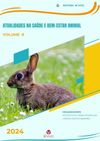
 Dogs can transmit a parasite to humans, especially affecting those with weak immune systems, so early diagnosis and treatment are crucial.
 January 2024 in “Editora In Vivo eBooks”
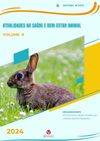
 Illegal cattle slaughter in Brazil poses health risks and violates laws.
 January 2024 in “Editora In Vivo eBooks”
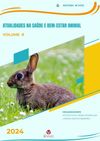
 H5N1 avian flu poses risks to birds and humans, requiring strict biosecurity measures.
 January 2024 in “Editora In Vivo eBooks”
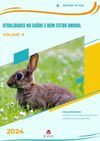
 Laser therapy helps relieve pain and improve life quality in small animals with osteoarthritis.
 January 2024 in “Editora In Vivo eBooks”
 Veterinarians are essential for ensuring animal welfare and safe meat products in Brazil.
 January 2024 in “Editora In Vivo eBooks”
 Cryptosporidiosis in dogs can spread to humans, so prevention is crucial.
 January 2024 in “Editora In Vivo eBooks”
 Giardiasis in dogs poses a public health risk, requiring better diagnosis, treatment, and sanitation.
Finasteride can reduce prostate cancer risk but may delay diagnosis and cause sexual side effects.
The TrichoConcept™ line is effective for personalized hair loss treatments.
4 citations
,
July 2022 in “Clinical Cosmetic and Investigational Dermatology” Clascoterone 1% cream is a promising new treatment for acne.
April 2026 in “Journal of the American Academy of Dermatology” Oral 5-alpha-reductase inhibitors for hair loss don't increase heart risk.
December 2025 in “Molecules” A new method effectively detects trace sex hormones in cosmetics, ensuring safety.
 14 citations
,
May 2022 in “Asian Journal of Pharmaceutical Sciences”
14 citations
,
May 2022 in “Asian Journal of Pharmaceutical Sciences” New hair follicle-targeting treatments show promise for hair disorders but need more research on safety and effectiveness.
Periplaneta americana extract promotes hair growth and is safe for treating hair loss.
68 citations
,
May 2024 in “International Journal of Molecular Sciences” Personalized acne treatments and new therapies show promise for better results.
65 citations
,
April 2018 in “Oncotarget” Anabolic androgenic steroids can increase cancer risk and disrupt hormones.
 42 citations
,
August 2013 in “International Journal of Women's Health”
42 citations
,
August 2013 in “International Journal of Women's Health” Female pattern hair loss is caused by multiple factors and while treatments like topical minoxidil, hormone therapy, and low-level light therapy can help, none can fully cure it.
 40 citations
,
November 2019 in “Frontiers in Endocrinology”
40 citations
,
November 2019 in “Frontiers in Endocrinology” Metabolic Syndrome is linked to several skin conditions, and stem cell therapy might help treat them.
27 citations
,
February 2023 in “Frontiers in Cell and Developmental Biology” WNT10B is important for body functions and linked to diseases like osteoporosis, obesity, and cancer.
19 citations
,
January 1990 in “Springer eBooks” 7 citations
,
December 2024 in “Journal of the American Academy of Dermatology” Genetics, hormones, and microbiome changes contribute to hidradenitis suppurativa.
7 citations
,
September 2024 in “International Journal of Molecular Sciences” PCOS involves high 11-oxygenated androgens and BPA may worsen it, while IH is not inflammatory.
 1 citations
,
November 2021 in “Biomedicines”
1 citations
,
November 2021 in “Biomedicines” Understanding how acne develops in different diseases could lead to new treatments.
December 2025 in “Sensors” Microneedles in wearables can deliver drugs over time but face challenges in manufacturing and safety.
 June 2025 in “Journal of Cluster Science”
 Metal nanoparticles show promise for treating hair loss but need more research to ensure safety.
 November 2023 in “International journal of reproduction, contraception, obstetrics and gynecology”
 Polycystic ovary syndrome causes high male hormone levels, leading to symptoms like excess hair, acne, and fertility problems.
 October 2020 in “Authorea (Authorea)”
 Men and women react differently to opioids, with hormones potentially influencing these differences.
 90 citations
,
December 2007 in “Current Oncology”
90 citations
,
December 2007 in “Current Oncology” Non-hormonal treatments should be used first for sexual dysfunction in postmenopausal breast cancer patients on aromatase inhibitors, with hormones as a second option.
20 citations
,
April 2009 in “Fertility and Sterility”  6 citations
,
January 2019 in “F1000Research”
6 citations
,
January 2019 in “F1000Research” High triglyceride levels are a key factor affecting testosterone levels in women with PCOS.