![Synthesis and Activity of 8-Substituted Benzo[c]quinolizin-3-ones as Dual Inhibitors of Human 5α-Reductases 1 and 2](/images/assets/efc54340-66d6-4f27-9930-045ac023f903/small/15248.jpg) 9 citations
,
November 2004 in “Bioorganic & Medicinal Chemistry Letters”
9 citations
,
November 2004 in “Bioorganic & Medicinal Chemistry Letters” New compounds were made that effectively block enzymes related to prostate issues and hair loss.
 11 citations
,
March 2009 in “Bioorganic & Medicinal Chemistry Letters”
11 citations
,
March 2009 in “Bioorganic & Medicinal Chemistry Letters” Chemicals called 4-(alkylthio)- and 4-(arylthio)-benzonitrile derivatives can potentially reduce oil production on skin, which could help treat conditions like acne and hair loss.
5 citations
,
January 2024 in “Crystals” The salts have diverse molecular packing with significant hydrogen interactions.
January 2009 in “Xiandai huagong” Finasteride was successfully synthesized from Pregnadienolone acetate.
 June 2025 in “Natural Product Communications”
 Researchers created 10 new compounds similar to cercidin, which could lead to new antibiotics.
 45 citations
,
August 2005 in “Bioorganic & medicinal chemistry”
45 citations
,
August 2005 in “Bioorganic & medicinal chemistry” New compounds with carborane showed anti-androgen effects similar to flutamide.
 February 1999 in “Analytical Sciences”
 A new antiandrogen compound was made and its detailed three-dimensional shape was described.
 17 citations
,
August 2007 in “Bioorganic & Medicinal Chemistry Letters”
17 citations
,
August 2007 in “Bioorganic & Medicinal Chemistry Letters” A compound made by Pfizer can potentially stimulate hair growth and reduce oil production, making it a good candidate for topical use.
![Synthesis and In Vitro Study of 17β-[N-Ureylene-N,N′-Disubstituted]-4-Methyl-4-Aza-5α-Androstan-3-Ones as Selective Inhibitors of Type I 5α-Reductase](/images/assets/d19df8a7-8de6-4430-8a0d-4ffa1f502985/small/15608.jpg) 5 citations
,
February 1997 in “Bioorganic & Medicinal Chemistry”
5 citations
,
February 1997 in “Bioorganic & Medicinal Chemistry” New compounds were made that effectively block a specific enzyme related to androgen conditions.
AnnoPharma effectively identifies substances causing adverse drug reactions in medical abstracts.

Azelaic acid helps with skin pigmentation issues, but its full effects are not completely understood.
20 citations
,
February 2017 in “European journal of pharmaceutical sciences” The MPA-ISO cocrystal improved solubility and dissolution rate, while the others did not.
 34 citations
,
October 2024 in “Clinical Cosmetic and Investigational Dermatology”
34 citations
,
October 2024 in “Clinical Cosmetic and Investigational Dermatology” Azelaic acid is effective for treating rosacea, acne, and melasma.
17 citations
,
October 2012 in “European Journal of Pharmacology” Toluene lowers body temperature through different mechanisms depending on the concentration.
November 2022 in “Indian Journal of Dermatology” Azole antifungals can cause skin reactions like EAC, requiring careful management.
 13 citations
,
January 2017 in “Chemical & Pharmaceutical Bulletin”
13 citations
,
January 2017 in “Chemical & Pharmaceutical Bulletin” Certain compounds, especially those with a propionic substituent, could potentially be new treatments for hair loss and similar disorders.
 6 citations
,
February 2023 in “Plant and Soil”
6 citations
,
February 2023 in “Plant and Soil” Bacillus subtilis strain WM13-24 helps plant root growth through volatile compounds.
 October 2022 in “Research Square (Research Square)”
 The conclusion is that certain chemicals from Bacillus subtilis help improve plant root growth through a hormone-related process.
January 2015 in “Journals & Books Hosting (International Knowledge Sharing Platform)” Compound 1 showed promising anticancer activity.
 January 2010 in “Yearbook of Endocrinology”
 Two new compounds can block androgen receptor activity in different ways and may lead to new treatments for androgen-related diseases.
88 citations
,
July 2009 in “Experimental and Clinical Endocrinology & Diabetes” 19 citations
,
October 2015 in “British Journal of Dermatology” Diphenylcyclopropenone's effectiveness and safety for alopecia areata are unclear.
30 citations
,
August 2021 in “Journal of Ethnopharmacology” Akebia quinata and Akebia trifoliata have many health benefits and potential medical uses.
 23 citations
,
June 2015 in “Clinica Chimica Acta”
23 citations
,
June 2015 in “Clinica Chimica Acta” Researchers found potential urine markers for polycystic ovary syndrome, including testosterone-glucuronide and 11α-hydroxyprogesterone, which may help diagnose the condition.
 7 citations
,
January 2015 in “Evidence-based Complementary and Alternative Medicine”
7 citations
,
January 2015 in “Evidence-based Complementary and Alternative Medicine” The review suggests renaming two herbs to avoid confusion and recommends more research for safe use.
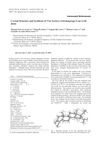 August 2002 in “Analytical Sciences”
 The document concludes that a compound with potential for treating prostate cancer and hair loss was successfully made and its detailed structure was confirmed.
10 citations
,
July 2011 in “Archives of Pharmacal Research” 3 citations
,
February 2025 in “Metabolites” The research found enzymes in Stephania epigaea that help make cepharanthine.
 January 2004 in “Analytical Sciences: X-ray Structure Analysis Online”
 The document explains how to make a compound called 3.BETA.-Benzoyloxy-4-pregnen-16.ALPHA.,17.ALPHA.-epoxy-6,20-dione and describes its crystal structure.
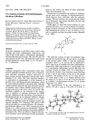 December 1998 in “Acta Crystallographica Section C-crystal Structure Communications”
 A new compound with strong antiandrogenic effects was found, potentially useful for treating conditions like acne and prostate cancer.