194 citations
,
October 2018 in “Microbiome” Acne is linked to complex skin microbe interactions, and new findings suggest microbiome-based treatments could be effective.
 134 citations
,
January 2019 in “American journal of clinical dermatology”
134 citations
,
January 2019 in “American journal of clinical dermatology” Antibiotics can reduce acne but may lead to resistant bacteria, and understanding the skin's bacteria is important for treatment.
June 2025 in “Frontiers in Immunology” Sampling methods greatly affect skin microbiome data in acne studies.
 February 2026 in “International Journal of Web of Multidisciplinary Studies”
 Restoring microbial balance and using exosome therapies may help treat hair disorders like alopecia and acne.
 May 2026 in “Rowan Digitals Works (Rowan University)”
 Adding oral probiotics to standard acne treatments improves results and reduces side effects.
December 2025 in “International Journal of Innovative Technologies in Social Science” Imbalanced skin microbiome can worsen skin conditions like acne and eczema.
 47 citations
,
March 2022 in “Frontiers in cellular and infection microbiology”
47 citations
,
March 2022 in “Frontiers in cellular and infection microbiology” Changes in skin microbes play a role in some skin diseases and could lead to new treatments.
 1 citations
,
January 2021 in “Wiadomości Lekarskie”
1 citations
,
January 2021 in “Wiadomości Lekarskie” The gel with hops extract effectively treats severe acne wounds by healing and reducing infection.
 April 2024 in “Frontiers in cellular and infection microbiology”
 Blue light might help treat skin conditions by affecting the skin's bacteria.
 August 2023 in “Clinical, Cosmetic and Investigational Dermatology”
 Research on the human skin microbiome has grown, focusing on skin health and diseases, with more studies needed on antibiotic resistance and AI applications.
 78 citations
,
June 2021 in “Dermatology and Therapy”
78 citations
,
June 2021 in “Dermatology and Therapy” Future acne treatments should aggressively target inflammation to prevent scarring.
 1 citations
,
July 2023 in “Scientific Reports”
1 citations
,
July 2023 in “Scientific Reports” Wearing a hijab changes the common bacteria and fungi on the scalp, possibly affecting skin health.
June 2026 in “Clinical and Experimental Dermatology” Certain bacteria levels change in hair follicle diseases, but their role is unclear.
 April 2023 in “Journal of Investigative Dermatology”
 Taking nicotinic acid supplements might help with acne by affecting the skin's oil glands, but high doses are needed.
August 2022 in “Journal of Contemporary Medical Practice” Microbiota imbalances may contribute to acne and offer new treatment insights.
April 2018 in “The journal of investigative dermatology/Journal of investigative dermatology” Interest in acne is rising, but research funding has significantly decreased.
 January 2026 in “Academic Journal of Medicine & Health Sciences”
 Phage therapy could be a safe and effective new treatment for acne.
 November 2025 in “Cureus”
 PCOS-related acne can be managed by targeting hormones and insulin resistance.
January 2025 in “Dermatology Research and Practice” Restoring skin microbial balance may help treat acne.
 47 citations
,
September 2023 in “Pharmacological Reports”
47 citations
,
September 2023 in “Pharmacological Reports” Vitamins A, B3, C, D, and E can improve skin health and immunity.
 5 citations
,
March 2020 in “Current Opinion in Endocrine and Metabolic Research”
5 citations
,
March 2020 in “Current Opinion in Endocrine and Metabolic Research” Skin problems in PCOS, like excess hair, acne, and hair loss, may not always indicate high male hormone levels and need careful diagnosis for proper treatment.
 October 2025 in “Open Repository of the University of Porto (University of Porto)”
 Pharmacists play a crucial role in personalized therapy, health literacy, and patient care across various health conditions.
 February 2024 in “Curēus”
 A balanced diet with proteins, vitamins, and minerals is crucial for managing skin disorders.
February 2026 in “Frontiers in Immunology” Skin diseases like acne and psoriasis are linked to stress, gut health, and inflammation, with new treatments focusing on gut and mind-body approaches.
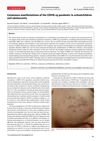 January 2023 in “Acta dermatovenerologica Alpina, Pannonica et Adriatica (Tiskana izd.)”
 The article concludes that schoolchildren and adolescents experienced various skin issues during the COVID-19 pandemic, including acne from masks and other skin reactions from the virus and vaccines.
15 citations
,
October 2024 in “Nutrients” A plant-based diet and certain probiotics may improve skin health and reduce inflammation.
August 2025 in “Journal of Clinical Medicine” Skin diseases alter the skin's microbiome, and prebiotic treatments might help.
2 citations
,
February 2024 in “International journal of molecular sciences” Gut health affects skin diseases, and probiotics might help.
November 2025 in “Dermato” The skin microbiome is crucial for skin health and new treatments like probiotics can improve skin conditions.

Changes in skin bacteria can affect hair loss and new treatments targeting these bacteria may prevent balding without sexual side effects.