1 citations
,
October 2025 in “Colorectal Disease” Early-onset colorectal cancer requires better physician awareness, risk-based screening, and stigma reduction to improve patient experiences.
 40 citations
,
February 2013 in “American Journal of Clinical Dermatology”
40 citations
,
February 2013 in “American Journal of Clinical Dermatology” People with hair loss feel more depressed and anxious, especially women, and need help managing emotions and beliefs about their condition.
1 citations
,
May 2025 in “Australasian Journal of Dermatology” Caregivers of teens with alopecia areata face significant mental and work-related challenges.
 78 citations
,
June 2021 in “Dermatology and Therapy”
78 citations
,
June 2021 in “Dermatology and Therapy” Future acne treatments should aggressively target inflammation to prevent scarring.
 51 citations
,
June 2021 in “Signal Transduction and Targeted Therapy”
51 citations
,
June 2021 in “Signal Transduction and Targeted Therapy” The document concludes that while there are promising methods to control CRISPR/Cas9 gene editing, more research is needed to overcome challenges related to safety and effectiveness for clinical use.
 41 citations
,
December 2015 in “Journal of the European Academy of Dermatology and Venereology”
41 citations
,
December 2015 in “Journal of the European Academy of Dermatology and Venereology” The conclusion is that a new biopsy technique and humidity chamber help study skin mites better and suggest mite overpopulation may cause skin diseases.
 32 citations
,
December 2018 in “Cytokine”
32 citations
,
December 2018 in “Cytokine” Type I interferons play a key role in the development of various skin diseases.
 30 citations
,
March 2001 in “Environmental Health Perspectives”
30 citations
,
March 2001 in “Environmental Health Perspectives” Small changes in hormones can significantly impact health, showing the importance of sensitive testing for chemicals that disrupt hormones.
 27 citations
,
February 2020 in “Journal of Cardiovascular Translational Research”
27 citations
,
February 2020 in “Journal of Cardiovascular Translational Research” Women generally handle heart enlargement better than men, but it's riskier for them if it occurs; hormones like estrogen offer some protection.
 17 citations
,
December 2013 in “PLoS ONE”
17 citations
,
December 2013 in “PLoS ONE” The postnatal thymus has cells like mesenchymal stem cells that can become different cell types and help maintain thymus structure.
 15 citations
,
May 2016 in “Archives of Dermatological Research”
15 citations
,
May 2016 in “Archives of Dermatological Research” ULBP3 could be a marker for diagnosing alopecia areata incognita and may be linked to its cause and development.
 March 2026 in “European Journal of Biomedical and Life Sciences”
 Restorative dermopigmentation improves skin appearance and function by addressing specific skin issues.
Barbers trained in hair loss can better support and refer clients with alopecia.
 January 2024 in “Deleted Journal”
 Essential oils like lavender, chamomile, and bergamot help manage stress and improve well-being.
 March 2022 in “Benha Journal of Applied Sciences”
 ULBP3 levels are higher in Tinea capitis patients and may help predict the disease's severity.
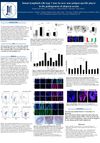
Innate lymphoid cells type 1 may contribute to alopecia areata by damaging hair follicles.
Lupus is a complex disease that requires personalized treatment because it varies greatly between individuals.
 March 2021 in “The British Journal of Psychiatry”
 Countries with stricter cultures had fewer COVID-19 cases and deaths, paranoia is linked to false memories, psychosocial intervention works as well with or without antipsychotic drugs for young people with psychosis, smartphones can detect changes in behavior indicating illness relapse, and recruitment agents show regional and gender biases.
1 citations
,
August 2013 in “Journal of Clinical Epidemiology” The "exposure–crossover design" helps assess individual changes in risk after events like car crashes.
 August 2025 in “Psychiatry Neurology and Medical Psychology”
 Mental health issues affect adaptation in alopecia patients more than the cause of hair loss.
43 citations
,
December 2004 in “Journal of loss & trauma” People with alopecia areata often experience negative personal, social, and medical impacts, and need psychological support.
December 2024 in “Ukrains kyi Visnyk Psykhonevrolohii” Women with alopecia often experience cognitive issues like fatigue and poor concentration.
February 2026 in “BMJ Open” A multidisciplinary approach is crucial for supporting the well-being of people with alopecia areata.
 3 citations
,
September 2022 in “Frontiers in psychiatry”
3 citations
,
September 2022 in “Frontiers in psychiatry” University students in Egypt experienced high stress during COVID-19's third wave, with negative coping mechanisms being more common.
 July 2025 in “Dermatology and Therapy”
 Patients with fewer past treatments for alopecia areata respond better to baricitinib.
August 2023 in “Zenodo (CERN European Organization for Nuclear Research)” Coping style affects mental health and quality of life in Indian women with PCOS.
 610 citations
,
April 2014 in “Nature Reviews Immunology”
610 citations
,
April 2014 in “Nature Reviews Immunology” The document concludes that understanding how the skin's immune system and inflammation work is complex and requires more research to improve treatments for skin diseases.
 188 citations
,
March 2018 in “Frontiers in Immunology”
188 citations
,
March 2018 in “Frontiers in Immunology” Regulatory T-cells are important for healing and regenerating tissues in various organs by controlling immune responses and aiding stem cells.
 149 citations
,
July 2014 in “Cold Spring Harbor Perspectives in Medicine”
149 citations
,
July 2014 in “Cold Spring Harbor Perspectives in Medicine” The dermal papilla is crucial for hair growth and health, and understanding it could lead to new hair loss treatments.
 138 citations
,
October 2012 in “Behavioral Ecology”
138 citations
,
October 2012 in “Behavioral Ecology” Masculine facial features may not reliably indicate heritable health, and more research is needed.