 2 citations
,
February 2023 in “Journal of the American Academy of Dermatology”
2 citations
,
February 2023 in “Journal of the American Academy of Dermatology” People with autism are more likely to develop alopecia areata than those without autism.
January 2025 in “Mansoura Medical Journal” Serum IMA levels don't help diagnose AGA but may indicate its severity.
 1 citations
,
October 2020 in “Journal of Investigative Dermatology Symposium Proceedings”
1 citations
,
October 2020 in “Journal of Investigative Dermatology Symposium Proceedings” The summit concluded that new treatments like Jak inhibitors show promise for Alopecia Areata and personalized approaches are needed.
November 2022 in “Journal of Investigative Dermatology” ILC1-like cells can cause alopecia areata by affecting hair follicles.
1 citations
,
September 2024 in “Journal of the American Academy of Dermatology” Farudodstat may effectively treat alopecia areata without harmful side effects.
 June 2023 in “British Journal of Dermatology”
 Baricitinib was effective in treating severe and very severe alopecia areata after 52 weeks.
January 2026 in “Journal of the Egyptian Womenʼs Dermatologic Society” High levels of HSP70 and IL-15 are linked to more severe alopecia areata.
April 2025 in “Science Journal of University of Zakho” Inflammatory diets may increase the risk and severity of alopecia areata.
August 2025 in “Australasian Journal of Dermatology” Experts created guidelines for who in Australia can get subsidized JAK inhibitor therapy for alopecia areata.
 May 2012 in “CRC Press eBooks”
 Some patients on anti-TNF drugs experience a type of hair loss called TAIAPA.
 1 citations
,
September 2019 in “Steroids”
1 citations
,
September 2019 in “Steroids” Two new mutations in the AR gene linked to severe androgen insensitivity were found.
 September 2023 in “Curēus”
 Alopecia areata may be linked to hearing problems, so patients should monitor their hearing.
4 citations
,
February 2025 in “Journal of Autoimmunity” Alopecia Areata often runs in families and is linked to other autoimmune conditions.
15 citations
,
October 1996 in “Archives of Dermatology” Researchers identified a new hair loss pattern called "sisaipho type," where hair is lost across the scalp except around the edges.
 7 citations
,
August 2023 in “Journal of the American Academy of Dermatology”
7 citations
,
August 2023 in “Journal of the American Academy of Dermatology” JAK inhibitors offer new hope for treating severe alopecia areata.
January 2026 in “Clinics and Practice” Baricitinib helps alopecia areata and may improve psoriasis, but its effect on psoriatic arthritis is unclear.
5 citations
,
October 2015 in “The Egyptian Journal of Otolaryngology” Alopecia areata patients may have hearing loss linked to the condition's severity and duration.
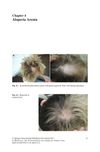 December 2016 in “Springer eBooks”
 A 45-year-old woman with autoimmune diseases experienced patchy hair loss due to alopecia areata, which has no cure but can be treated, with varying success.
1 citations
,
September 2021 in “Dermatologic Therapy” AC5 improves hair loss and hair quality with high satisfaction rates.
Ivarmacitinib effectively regrows hair in severe alopecia areata.
March 2025 in “European Journal of Medical Genetics” Tofacitinib helped improve symptoms and hair growth in a patient with Aicardi-Goutières syndrome.
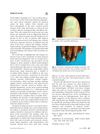 2 citations
,
June 2018 in “Journal of the American Academy of Dermatology”
2 citations
,
June 2018 in “Journal of the American Academy of Dermatology” Alopecia areata causes varying hair loss and nail changes, and treatments include topical, systemic, and injectable therapies.
 September 2023 in “Cureus”
 Early recognition and treatment of atypical alopecia areata in infants are crucial.
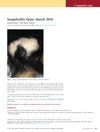 February 2016 in “The journal of investigative dermatology/Journal of investigative dermatology”
 JAK inhibitors may help treat alopecia areata by reversing hair loss.
1 citations
,
October 2025 in “Journal of Allergy and Clinical Immunology” A JAK1 variant causes hair loss, skin issues, and thyroid disease, but treatment with a specific inhibitor can help.
November 2023 in “Scientific Repository of Open Access of Portugal (RCAAP)” Severe alopecia areata in children can signal future autoimmune issues.
7 citations
,
March 2024 in “Skin Research and Technology” miR-200c-3p could help diagnose and treat alopecia areata.
1 citations
,
April 2024 in “Journal of Clinical Medicine” Alopecia areata patients have eye issues and need regular eye exams.
Avicennia marina extract can significantly promote hair growth in androgenic alopecia patients.
 April 2026 in “Zenodo (CERN European Organization for Nuclear Research)”
 The model improves understanding of androgen interactions by focusing on signal intensity and system capacity.