 14 citations
,
March 2022 in “Journal of Biomedical Science”
14 citations
,
March 2022 in “Journal of Biomedical Science” Cyanidin 3-O-arabinoside may help treat a common form of hair loss by protecting cells against aging and improving cell function.
7 citations
,
September 2024 in “PLANT PHYSIOLOGY” RALF22 is essential for root hair growth in response to fungal emissions in Arabidopsis.
January 1991 in “Acta Dermato Venereologica” A new method effectively visualizes keratin in hair without harsh chemicals.
13 citations
,
November 2016 in “Human & Experimental Toxicology” Maternal exposure to artificial food coloring may increase skin disease risk in rat offspring.
9 citations
,
August 1980 in “Journal of Cutaneous Pathology” Rhodamin B stain is inconsistent for keratin in skin samples.
 1 citations
,
October 2021 in “Bioactive compounds in health and disease”
1 citations
,
October 2021 in “Bioactive compounds in health and disease” Hibiscus anthocyanins help protect the liver and improve antioxidants in diabetic rats.
 46 citations
,
January 2008 in “Journal of cosmetic dermatology”
46 citations
,
January 2008 in “Journal of cosmetic dermatology” Caffeine and siloxanetriol alginate caffeine in emulsion form can reduce fatty cell size and number, potentially treating cellulite effectively.
February 2023 in “Reactions Weekly”  4 citations
,
October 2024 in “American Journal of Clinical Dermatology”
4 citations
,
October 2024 in “American Journal of Clinical Dermatology” Ritlecitinib improved hair regrowth and emotional well-being in some alopecia areata patients.
 13 citations
,
March 2020 in “Frontiers in cell and developmental biology”
13 citations
,
March 2020 in “Frontiers in cell and developmental biology” A substance called TCQA could potentially darken hair by activating certain genes and increasing melanin.
 July 2022 in “المجلة العراقية للصيدلة”
 Azelaic acid 20% cream works well for treating scalp alopecia areata and can be an alternative to clobetasol ointment.
2 citations
,
September 2024 in “Journal of Dermatological Treatment” Combining compound glycyrrhizin with minoxidil is more effective for alopecia areata than minoxidil alone.
July 2019 in “Ferroelectrics” More human hair protein makes the films weaker and less clear.
1 citations
,
November 2025 in “American Journal of Clinical Dermatology” Ritlecitinib is generally safe for long-term use in treating alopecia areata.
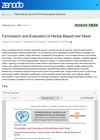 June 2026 in “Zenodo (CERN European Organization for Nuclear Research)”
 Henna is a safer alternative to synthetic hair dyes but has limited color options.
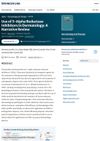 July 2023 in “Dermatology and Therapy”
 5-Alpha Reductase Inhibitors are effective for male hair loss and some skin conditions, but their effectiveness in women and safety concerns require careful use.
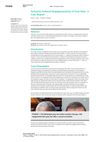
Acitretin treatment unexpectedly darkened a patient's gray hair.
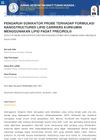 February 2025 in “Jurnal Kesehatan Bakti Tunas Husada Jurnal Ilmu-ilmu Keperawatan Analis Kesehatan dan Farmasi”
 Nanostructured Lipid Carriers can improve curcumin's effectiveness for treating hair loss.
May 2026 in “Bioorganic Chemistry” 66 citations
,
April 1989 in “Alcoholism Clinical and Experimental Research” The ethanol patch test reliably identifies ALDH phenotype.
8 citations
,
June 2023 in “European Journal of Endocrinology” The inhibitor affects androgen metabolism but not ovarian function.
 February 2026 in “Clinical Drug Investigation”
 Baricitinib significantly improves nail and hair symptoms in severe alopecia areata.
 December 2025 in “Scientific Reports”
 α-Mangostin can naturally lighten skin by reducing melanin.
November 2025 in “SKIN The Journal of Cutaneous Medicine” Ritlecitinib 50 mg effectively promotes and sustains hair regrowth in alopecia areata patients.
December 2025 in “Skin Appendage Disorders” Topical cetirizine may help increase hair count in androgenetic alopecia.
2 citations
,
June 2024 in “Dermatology” Ritlecitinib improves hair regrowth satisfaction in alopecia areata patients.
Plant-based dyes are a safe, effective, and eco-friendly alternative to synthetic dyes.
 January 2022 in “Current Enzyme Inhibition”
 New nonsteroidal molecules can potentially increase dihydrotestosterone in neurons by blocking certain enzymes, without affecting prostate and seminal vesicle weight.
 October 2022 in “International journal of pharmaceutical sciences review and research”
 Hibiscus leaf extract is better for diabetes, and Eclipta alba bark extract is better for antioxidants.
 22 citations
,
August 2009 in “Evidence-based Complementary and Alternative Medicine”
22 citations
,
August 2009 in “Evidence-based Complementary and Alternative Medicine” The composition with carnitine, thioctic acid, and saw palmetto extract may effectively reduce inflammation in hair follicle cells.