 41 citations
,
January 2020 in “BioMed Research International”
41 citations
,
January 2020 in “BioMed Research International” Micrografts improve hair density and thickness without side effects.
Autologous Regenerative Therapy may improve hair restoration by using stem cells from fat.
 9 citations
,
February 2013 in “Plastic and Reconstructive Surgery”
9 citations
,
February 2013 in “Plastic and Reconstructive Surgery” The article explains how to rebuild parts of the head and face and how to transplant hair to cover scars, highlighting the need for careful planning and choosing the right method for each patient.
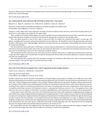
The treatment successfully integrated hair follicles into a dermal template, showing new hair growth and blood vessel formation.
 6 citations
,
September 1993 in “The Journal of Dermatologic Surgery and Oncology”
6 citations
,
September 1993 in “The Journal of Dermatologic Surgery and Oncology” Using tissue adhesive in hair transplants improves results and patient satisfaction, with fewer complications.
 5 citations
,
September 1997 in “Dermatologic Surgery”
5 citations
,
September 1997 in “Dermatologic Surgery” Dr. Russell Knudsen's system classifies hair grafts by class, shape, and size for clearer communication in hair restoration surgery.
 5 citations
,
January 1985 in “Facial Plastic Surgery”
5 citations
,
January 1985 in “Facial Plastic Surgery” Flap surgery is effective for treating male baldness, offering immediate results with dense hair growth.

Modern hair restoration techniques can effectively treat hair loss and provide natural-looking results.
 October 2007 in “Journal of Investigative Dermatology”
 The document suggests a bacteria plays a significant role in acne rosacea and that white hair can regain color after transplant, meriting more research on reversing grey hair.
 5 citations
,
February 2012 in “Aesthetic Plastic Surgery”
5 citations
,
February 2012 in “Aesthetic Plastic Surgery” A man developed skin cancer on his scalp after multiple artificial hair grafts.
June 2026 in “Frontiers in Cell and Developmental Biology” Expanded ADSCs improve fat graft survival better than SVF.
1 citations
,
June 2018 in “Open Access Macedonian Journal of Medical Sciences” Recycling hair from past transplants can improve hair density and patient satisfaction.
 April 2011 in “ISRN Dermatology (Print)”
 The wigs made from human hair and polypropylene were mostly well-tolerated and durable in rabbits, suggesting they could be a new option for people with extensive hair loss.
 18 citations
,
May 2017 in “Head & Neck”
18 citations
,
May 2017 in “Head & Neck” Free tissue transfer is highly effective for fixing exposed implants after skull surgery.
 14 citations
,
April 2017 in “American Journal of Transplantation”
14 citations
,
April 2017 in “American Journal of Transplantation” Skin problems from transplant drugs are common and need careful management in organ transplant patients.
 22 citations
,
December 1998 in “Dermatologic Surgery”
22 citations
,
December 1998 in “Dermatologic Surgery” A new storage solution may increase hair transplant graft survival.
 January 2025 in “Advancements in Life Sciences”
 Autogenic and allogenic PRP effectively promote wound healing.
 November 2025 in “International Journal of Zoology and Applied Biosciences”
 New technologies like AI, robotics, and stem cells have made hair transplants more effective and natural-looking.
192 citations
,
January 2018 in “Burns & Trauma” Current skin substitutes help heal severe burns but don't fully replicate natural skin features.
3 citations
,
November 2023 in “Pediatric Transplantation” Topical treatments and skin care improve transplant-related atopic dermatitis in children.
 8 citations
,
July 1984 in “The Journal of Dermatologic Surgery and Oncology”
8 citations
,
July 1984 in “The Journal of Dermatologic Surgery and Oncology” A new suturing technique for hair transplant donor sites leads to better scarring and allows more grafts to be taken.
February 2025 in “Jurnal Kedokteran Brawijaya” Autologous skin cell transplantation speeds up healing and xenografts improve skin color in burn care.
January 2002 in “Academic Journal of Kunming Medical College” Human-hair keratin artificial tendons are biocompatible and degrade well in rabbits.
June 2021 in “Cosmoderma” Hair transplantation techniques have improved, making the process safer and more effective with less visible scarring.
Tissue engineering advancements are improving skin substitutes for better burn treatment.
September 2024 in “Medicine” Alopecia areata may protect against graft dysfunction, while asthma may increase its risk.
11 citations
,
March 2023 in “Stem Cell Research & Therapy” Epidermal stem cells improve skin graft survival by promoting early blood vessel formation.
 29 citations
,
May 2020 in “npj Regenerative Medicine”
29 citations
,
May 2020 in “npj Regenerative Medicine” Immune cells help regulate hair growth, and better understanding this can improve hair loss treatments.
 24 citations
,
September 2018 in “Journal of Materials Science: Materials in Medicine”
24 citations
,
September 2018 in “Journal of Materials Science: Materials in Medicine” Hyaluronic acid-based HA2 hydrogel helps heal skin wounds better with less scarring.
 14 citations
,
April 2017 in “Scientific Reports”
14 citations
,
April 2017 in “Scientific Reports” Using a perfusion system and 3D spheroid culture improves the growth of corneal cell layers for tissue engineering.