 15 citations
,
November 2015 in “Journal of Dermatology and Dermatologic Surgery”
15 citations
,
November 2015 in “Journal of Dermatology and Dermatologic Surgery” Mixing platelet-rich plasma with triamcinolone acetonide can potentially improve hair regrowth in alopecia areata patients.
 2 citations
,
May 2021 in “Clinical Pharmacology in Drug Development”
2 citations
,
May 2021 in “Clinical Pharmacology in Drug Development” Clascoterone is safe for the heart, even at high doses.
 December 2014 in “Turk Dermatoloji Dergisi”
 Topical Saw Palmetto and Trichogen Veg Complex increased hair count by 11.9% and improved hair growth in 48% of men with hair loss.
July 2026 in “Skin Appendage Disorders” Ritlecitinib effectively regrows hair in treatment-resistant alopecia areata with mild side effects.
July 2026 in “Hippocratic Journal of Unani Medicine” Unani medicine, including cupping therapy, may effectively regrow hair in Alopecia Areata.
 July 2025 in “Journal of Investigative Dermatology”
 AMP-303 safely increases hair growth in men with hair loss.
 May 2026 in “International Journal of Drug Delivery Technology”
 Combining Emblica officinalis with minoxidil significantly boosts hair growth.
 February 2026 in “Clinical Drug Investigation”
 Baricitinib significantly improves nail and hair symptoms in severe alopecia areata.
 July 2026 in “Archives of Dermatological Research”
 Topical finasteride spray improves hair growth with mild side effects.
6 citations
,
November 2020 in “Clinical Cosmetic and Investigational Dermatology” Both concentrations of triamcinolone acetonide are effective for hair regrowth in patchy alopecia areata, but 5 mg/mL is recommended to reduce side effects.
Topical GT20029 effectively promotes hair regrowth and is well-tolerated.
1 citations
,
May 1990 in “Indian Journal of Dermatology, Venereology and Leprology” November 2024 in “SKIN The Journal of Cutaneous Medicine” Ritlecitinib effectively reduces severe hair loss in alopecia areata over 24 months.
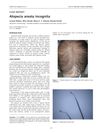 19 citations
,
January 2011 in “Clinics”
19 citations
,
January 2011 in “Clinics” A young woman with a rare hair loss condition improved with steroid and biotin treatment.
54 citations
,
December 2004 in “PubMed” Cyclosporin A vesicles effectively regrow hair and reduce inflammation in alopecia areata.
 24 citations
,
January 2021 in “Dermatologic Therapy”
24 citations
,
January 2021 in “Dermatologic Therapy” Platelet-rich plasma (PRP) is a safe and potentially effective way to treat hair loss, especially when combined with minoxidil.
 2 citations
,
January 2020 in “Journal of Pharmacognosy and Phytochemistry”
2 citations
,
January 2020 in “Journal of Pharmacognosy and Phytochemistry” Eclipta alba may help with hair growth, memory, and various health issues.
November 2008 in “Central Plains Medical Journal” Combining zinc with 2% minoxidil is effective for long-term treatment of hair loss.
 4 citations
,
March 2016 in “Dermatologic Surgery”
4 citations
,
March 2016 in “Dermatologic Surgery” PRP treatment increased hair density, especially in men and younger patients with AGA.
January 2006 in “The Year book of dermatology”  September 2025 in “Journal of Skin and Stem Cell”
 The combination of calcipotriol and PRP is the most effective treatment for alopecia areata.
January 2026 in “JAAD International” Baricitinib effectively promotes beard regrowth in most men with alopecia areata universalis.
 November 2024 in “Journal of Cosmetic Dermatology”
 Baricitinib is effective for severe alopecia areata but has some side effects.
 3 citations
,
April 2016 in “PubMed”
3 citations
,
April 2016 in “PubMed” Using Minoxidil 5% foam with a botanical hair solution twice daily can significantly improve hair growth and appearance in men with hair loss, and is generally well-tolerated.
 January 2015 in “Hair therapy & transplantation”
 Some botanical products may help increase hair growth in people with alopecia, but more research is needed.
February 2026 in “Food Research International” Lactiplantibacillus plantarum ZJUIDS51 can help regrow hair and improve scalp health in androgenic alopecia.
October 2024 in “Journal of Pakistan Association of Dermatologists” PRP is more effective than finasteride for hair growth with fewer side effects.
September 2025 in “Journal of the American Academy of Dermatology” Ritlecitinib may help treat alopecia areata by protecting hair follicles.