Search
for
Sort by
Research
720-750 / 1000+ resultsresearch 1153 ERECTILE HEMODYNAMICS ASSESSMENT IN MEN WITH PERSISTENT ERECTILE DYSFUNCTION AFTER 5-ALPHA REDUCTASE INHIBITOR USE
Persistent ED in Propecia users is not due to abnormal blood flow.

research BH15 Efficacy and safety of baricitinib in the management of severe alopecia areata over a 6-month period: a real-world experience
Baricitinib was effective and safe for severe hair loss treatment over 6 months.
research Enzalutamide/finasteride/goserelin/zoledronic-acid
research OPTIMISATION OF AVICENNIA MARINA HEARTWOOD EXTRACT NANOEMULSION USING BOX–BEHNKEN DESIGN: FORMULATION CHARACTERISTICS AND ANTIFUNGAL EVALUATION
The nanoemulsion of Avicennia marina extract effectively fights dandruff.
research AB40. Sexual side effects of medical treatment of BPH
BPH treatments can cause sexual side effects affecting quality of life.
research Minoxidil 1 mg orally versus minoxidil 5% solution topically for the treatment of female pattern hair loss: a randomized clinical trial
Oral minoxidil 1 mg is effective and safe for female hair loss, with less shedding but more hair growth on the body.

research Supplementary Material for: Drug-Induced Melasma in Patients on 5-Alpha Reductase Inhibitors: A Case Report
Finasteride can cause melasma, especially in people with darker skin.

research NANOCARRIER-BASED DELIVERY OF MINOXIDIL: CURRENT PERSPECTIVES AND FUTURE DIRECTIONS IN ALOPECIA THERAPY
Nanocarrier systems could improve hair loss treatments by delivering drugs more effectively.
research Dermatologic therapy: December 1984 through December 1985
Topical minoxidil showed promise for early male pattern baldness.
research Referee report. For: Treatment of chronic telogen effluvium with oral minoxidil: A retrospective study [version 1; referees: 1 approved]
Oral minoxidil effectively reduces hair shedding in women with chronic telogen effluvium.
research ChemInform Abstract: Discovery of a Novel Hybrid from Finasteride and Epristeride as 5α‐Reductase Inhibitor.
A new compound may effectively inhibit the enzyme linked to BPH and hair loss.
research Finasteride 1 mg in alopecia: sexual dysfunction, suicidal ideation. Providing balanced information to male patients is key.
research Hair Lightening of Three Hemodialysis Patients Under Heptaminol
Heptaminol may cause hair lightening in hemodialysis patients.

research ANTINOCICEPTIVE ACTIVITY OF ADIANTUM CAPILLUS IN EXPERIMENTAL ANIMALS
Adiantum capillus extract reduces pain and swelling in animals.
research Table 1_Subcutaneous injection of genetically engineered exosomes for androgenic alopecia treatment.xlsx
EX104 effectively promotes hair growth and regenerates follicles in androgenetic alopecia.
research TERAPIA ORAL OU TÓPICA? REVISÃO INTEGRATIVA SOBRE O USO DE MINOXIDIL NA ALOPECIA ANDROGENÉTICA
Oral Minoxidil is a practical alternative to Topical Minoxidil for hair loss, but treatment should be personalized.
research Role of allopregnanolone biosynthesis in acute stress-induced anxiety-like behaviors in mice
Blocking allopregnanolone production in mice makes them more anxious after stress, but this can be reversed with a drug that mimics allopregnanolone.
research COMPARISON OF EFFICACY OF VARIOUS TOPICAL TREATMENT MODALITIES IN ALOPECIA AREATA
0.05% Betamethasone Dipropionate is the most effective topical treatment for alopecia areata.

research Monitoring and Evaluation of Temporary Increase in Hair Shedding Induced by Topical Minoxidil in Androgenetic Alopecia: A Multicenter Prospective Cohort Study
Minoxidil can temporarily increase hair shedding, causing anxiety and treatment discontinuation.
research Mesotherapy with dutasteride and minoxidil in treatment of androgenetic alopecia
Dutasteride and minoxidil mesotherapy effectively treats hair loss with minimal side effects.
research Pharmacophore Modeling and Three Dimensional Database Searching for Drug Design Using Catalyst: Recent Advances
The document concludes that Catalyst software is effective for drug design, identifying potent compounds for various medical conditions.

research Beyond Monotherapy: Adjunctive Treatments with Minoxidil for Androgenetic Alopecia
Combining minoxidil with other treatments like finasteride or PRP improves hair growth and satisfaction more than using minoxidil alone.
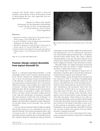
research Pustular allergic contact dermatitis from topical minoxidil 5%
A man had an allergic reaction to minoxidil, which stopped after he discontinued use and started corticosteroids.

research Discovery of Natural Steroid 5 Alpha-Reductase Inhibitors
Natural herbal compounds might treat certain medical conditions by reducing DHT levels, but more research is needed to confirm their effectiveness and safety.

research Ethinylestradiol/Chlormadinone Acetate
The oral contraceptive ethinylestradiol/chlormadinone acetate is effective in reducing acne and improving other skin conditions related to high androgen levels.

research Supplementary Material for: Drug-Induced Melasma in Patients on 5-Alpha Reductase Inhibitors: A Case Report
Finasteride can cause melasma, especially in people with darker skin.
research Does microneedling with 5% minoxidil offer added advantage for treatment of androgenetic alopecia in comparison to use of topical 5% minoxidil alone?
Microneedling with 5% minoxidil works better for hair loss than using 5% minoxidil alone.

research Use of 5% Topical Minoxidil Application for Telogen Effluvium: An Open‐Label Single‐Arm Clinical Trial
5% topical minoxidil may help reduce hair loss and increase hair growth in telogen effluvium.

research Development of optimized self-nanoemulsifying lyophilized tablets (SNELTs) to improve finasteride clinical pharmacokinetic behavior
Improved tablets lead to faster, better drug absorption for hair loss treatment.