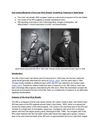
The inner root sheath in hair follicles plays a key role in hair growth and health.
 April 2011 in “The FASEB Journal”
 Aralia continentalis root extract may help with hair growth.
 April 2021 in “Journal of Investigative Dermatology”
 Leontopodium alpinum extract may help reduce hair shedding by keeping hair in the growth phase longer.
10 citations
,
November 2008 in “Veterinary Dermatology” The mouse hairy ears mutation causes longer ear hair due to changes in gene expression.
 32 citations
,
December 1969 in “The Lancet”
32 citations
,
December 1969 in “The Lancet” Children with marasmus have more resting hair follicles and thinner, less pigmented hair, showing long-term malnutrition.
 85 citations
,
February 1989 in “Journal of The American Academy of Dermatology”
85 citations
,
February 1989 in “Journal of The American Academy of Dermatology” Children with loose anagen hair have easily pluckable hair due to root sheath problems, and it might improve without treatment.
 40 citations
,
January 2010 in “International Journal of Trichology”
40 citations
,
January 2010 in “International Journal of Trichology” Loose Anagen Syndrome is a hair condition where hairs can be easily pulled out, mainly affecting young girls, and may improve on its own or with treatment.
37 citations
,
July 1999 in “The EMBO Journal” Overexpression of certain genes can shorten hair by disrupting the hair-growth cycle.
 24 citations
,
September 1997 in “PubMed”
24 citations
,
September 1997 in “PubMed” Loose anagen hair can appear at any age and may improve over time.
4 citations
,
April 2018 in “The journal of pediatrics/The Journal of pediatrics” A 6-year-old girl's inability to grow her hair long was due to Loose Anagen Hair Syndrome, which causes hair to shed easily and may improve with age.
 2 citations
,
August 2012 in “Journal of the American Academy of Dermatology”
2 citations
,
August 2012 in “Journal of the American Academy of Dermatology” Two patients with the same genetic mutation had both blistering skin and easily pulled out hair.
 February 2023 in “Cosmoderma”
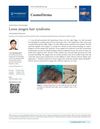
 Loose anagen hair syndrome causes easily shed hair but usually improves with time.
May 2022 in “British Journal of Dermatology” The girl's hair condition improved on its own in 24 months.
 April 2016 in “Journal of Investigative Dermatology”
 Autophagy, a cell recycling process, is crucial for prolonged hair growth and could be a potential target for treating hair growth disorders.
 10 citations
,
August 2018 in “Experimental Dermatology”
10 citations
,
August 2018 in “Experimental Dermatology” Decorin helps hair cells grow and move, and keeps hair growth phase going in mice.
10 citations
,
October 2000 in “PubMed” E6/E7 oncogenes in hair follicles cause continuous hair growth by skipping the resting phase.
22 citations
,
June 2008 in “Experimental Dermatology” Heparanase is essential for hair follicle health and inner root sheath differentiation.
Culturing hair follicles at the air-liquid interface with minoxidil significantly boosts hair growth and preserves the root sheath.
 5 citations
,
August 2012 in “Journal of Dermatology”
5 citations
,
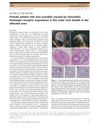
August 2012 in “Journal of Dermatology” Tamoxifen may cause female hair loss by increasing androgen receptor expression.
 January 2024 in “Biological & pharmaceutical bulletin”
 Panax ginseng extract helps human hair grow by encouraging growth phase transition and cell proliferation while reducing certain protein expression.
 4 citations
,
October 2018 in “Experimental Dermatology”
4 citations
,
October 2018 in “Experimental Dermatology” Dermoscopy shows that diffuse alopecia areata progresses through specific hair growth stages.
84 citations
,
April 2002 in “Archives of Dermatology” Loose anagen hair syndrome may be caused by keratin gene mutations.
 25 citations
,
October 1996 in “Dermatologic Clinics”
25 citations
,
October 1996 in “Dermatologic Clinics” Loose Anagen Syndrome causes easy-to-pull, thin hair, mainly in young girls, and improves with age.
 12 citations
,
June 2009 in “Journal of Cosmetic Dermatology”
12 citations
,
June 2009 in “Journal of Cosmetic Dermatology” Loose Anagen Hair syndrome occurs in dark-skinned children and often improves on its own.
38 citations
,
October 2001 in “British Journal of Dermatology” Keratin K6irs is a marker for the inner root sheath of hair follicles in mice and humans.
12 citations
,
July 1993 in “In Vitro Cellular & Developmental Biology - Animal” Minoxidil enhances hair growth and preserves the root sheath in cultured follicles.
1 citations
,
July 2024 in “Journal of Investigative Dermatology” MPZL3 protein affects hair growth cycles and could help manage hair loss.
Loose anagen hair syndrome in children may improve with age, but treatment results vary.
6 citations
,
January 2010 in “PubMed” Scalp psoriasis is linked to impaired hair growth with more hair in the resting phase.
 February 2025 in “Plastic and Aesthetic Research”
 Minoxidil and finasteride effectively promote hair regrowth within 3 months.