 37 citations
,
January 2008 in “Gynecological Endocrinology”
37 citations
,
January 2008 in “Gynecological Endocrinology” Shorter CAG repeats in a specific gene may increase male hormone activity and symptoms like acne and excess hair in women with PCOS.
 35 citations
,
May 2022 in “Baillière's best practice and research in clinical endocrinology and metabolism/Baillière's best practice & research. Clinical endocrinology & metabolism”
35 citations
,
May 2022 in “Baillière's best practice and research in clinical endocrinology and metabolism/Baillière's best practice & research. Clinical endocrinology & metabolism” Androgens like testosterone are important hormones for both men and women, made differently in each sex and affecting the body by regulating genes and quick interactions with cell components.
 1 citations
,
January 2018 in “Journal of Gynecologic Surgery”
1 citations
,
January 2018 in “Journal of Gynecologic Surgery” Removing both ovaries can treat increased testosterone and related symptoms in postmenopausal women with ovarian hyperthecosis.
Individualized treatment improves symptoms and quality of life for women with PCOS.
 16 citations
,
January 2000 in “The Journal of clinical endocrinology and metabolism/Journal of clinical endocrinology & metabolism”
16 citations
,
January 2000 in “The Journal of clinical endocrinology and metabolism/Journal of clinical endocrinology & metabolism” Antiandrogen drugs can reduce PSA levels in women with excess hair, suggesting PSA is a sign of male hormone activity in women.
 24 citations
,
October 1994 in “Fertility and Sterility”
24 citations
,
October 1994 in “Fertility and Sterility” People with hair loss may have different levels of certain hormones due to changes in hormone processing.
 4 citations
,
January 2016 in “International journal of reproduction, contraception, obstetrics and gynecology”
4 citations
,
January 2016 in “International journal of reproduction, contraception, obstetrics and gynecology” A certain genetic variation is linked to a higher risk of polycystic ovarian syndrome.
 27 citations
,
January 1984 in “Pharmacology & Therapeutics”
27 citations
,
January 1984 in “Pharmacology & Therapeutics” Antiandrogens have important biological effects, but more research is needed to understand them fully and compare their effectiveness and side effects to other treatments.
 251 citations
,
October 2014 in “The Journal of Clinical Endocrinology & Metabolism”
251 citations
,
October 2014 in “The Journal of Clinical Endocrinology & Metabolism” The guidelines advise against using testosterone and DHEA in women for most conditions due to safety and effectiveness concerns, but suggest considering testosterone for postmenopausal women with low sexual desire.
 November 2020 in “Elsevier eBooks”
 Antiandrogens and androgen inhibitors like spironolactone, finasteride, and dutasteride can treat hair loss and skin conditions, but they have risks and side effects, including potential harm to pregnant women and risks of cancer and heart issues. Herbal remedies also have antiandrogenic effects but lack safety validation.
 68 citations
,
April 2014 in “Journal of Molecular Endocrinology”
68 citations
,
April 2014 in “Journal of Molecular Endocrinology” The document concludes that targeting the androgen receptor may be a promising breast cancer treatment, especially for certain types.
 45 citations
,
November 2012
45 citations
,
November 2012 The conclusion is that androgen receptor gene polymorphism might be a marker for polycystic ovary syndrome, but more research is needed.
 12 citations
,
December 2012 in “Current Drug Targets”
12 citations
,
December 2012 in “Current Drug Targets” The Androgen Receptor could be a target for treating diseases like cancer, but more research is needed to confirm the effectiveness of potential treatments.
 11 citations
,
July 2015 in “Gene”
11 citations
,
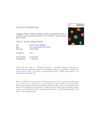
July 2015 in “Gene” DHT affects bone growth by altering gene activity in osteoblasts, potentially complicating steroid use.
 June 2025 in “Journal of Neonatal Surgery”
 Managing PCOD involves lifestyle changes like exercise, healthy eating, and avoiding smoking and alcohol.
 233 citations
,
November 2002 in “The journal of investigative dermatology/Journal of investigative dermatology”
233 citations
,
November 2002 in “The journal of investigative dermatology/Journal of investigative dermatology” Creating stronger blockers for skin enzymes might lead to better treatment for conditions like acne and excessive hair growth.
 1 citations
,
January 2022 in “Journal of experimental and clinical medicine”
1 citations
,
January 2022 in “Journal of experimental and clinical medicine” PCOS is linked to diabetes and insulin resistance, and managing AGEs may help treat related symptoms.
 29 citations
,
July 2013 in “The Journal of Sexual Medicine”
29 citations
,
July 2013 in “The Journal of Sexual Medicine” Testing for CAG repeat polymorphism in the androgen receptor gene is not currently recommended for managing hypogonadism.
 135 citations
,
March 1984 in “Fertility and sterility”
135 citations
,
March 1984 in “Fertility and sterility” Higher levels of unbound testosterone are linked to increased insulin resistance, especially in women with polycystic ovary syndrome.
 14 citations
,
March 2023 in “Scientific Reports”
14 citations
,
March 2023 in “Scientific Reports” Oxidative stress, not insulin resistance, is significantly related to free androgen index in PCOS.
 12 citations
,
October 2004 in “Experimental Gerontology”
12 citations
,
October 2004 in “Experimental Gerontology” Changes in testosterone and estrogen receptor genes can affect how men age, influencing body fat, hair patterns, and possibly leading to skin disorders.
 5 citations
,
December 2021 in “Physiological Research”
5 citations
,
December 2021 in “Physiological Research” Men, particularly those with hair loss, are more likely to get the virus, and those with prostate cancer may have milder symptoms. Testosterone's role in the disease is unclear, and the virus doesn't seem to harm male fertility. Women with PCOS might be at higher risk. More research is needed.
 1 citations
,
March 2025 in “Medical Molecular Morphology”
1 citations
,
March 2025 in “Medical Molecular Morphology” Androgens affect the function and health of the endometrium.
 1 citations
,
October 2023 in “Egyptian Journal of Immunology”
1 citations
,
October 2023 in “Egyptian Journal of Immunology” PCOS is linked to low-grade chronic inflammation.
 June 2026 in “Journal of Obstetrics Gynecology and Cancer Research”
 Salivary cytokines and the Free Androgen Index are promising non-invasive markers for diagnosing PCOS.
 89 citations
,
November 2014 in “Medical Clinics of North America”
89 citations
,
November 2014 in “Medical Clinics of North America” Eating 500 fewer calories a day and making lifestyle changes can improve PCOS symptoms and reduce diabetes risk; more research is needed on its causes and treatments.
 1 citations
,
November 2002 in “Endocrine practice”
1 citations
,
November 2002 in “Endocrine practice” The patient's high testosterone was reduced by a medication that suppresses gonadotropin.
 26 citations
,
November 2011 in “Arquivos Brasileiros De Endocrinologia E Metabologia”
26 citations
,
November 2011 in “Arquivos Brasileiros De Endocrinologia E Metabologia” Diagnosing PCOS in teenagers should focus on signs of excess male hormones and not rely solely on ovarian ultrasound or irregular periods, and should be reassessed in adulthood.
 3 citations
,
August 2019 in “Journal of The American Academy of Dermatology”
3 citations
,
August 2019 in “Journal of The American Academy of Dermatology” Higher doses of spironolactone may improve acne in PCOS patients, but side effects are a concern.
 March 2024 in “Journal of Rawalpindi Medical College/Journal Rawalpindi Medical College”
 Skin issues are common and important for diagnosing PCOS.