1 citations
,
February 2025 in “Journal of Pharma Insights and Research.” Nutraceuticals like Ashwagandha and Cinnamon may help manage PCOD symptoms.
 1 citations
,
July 2018 in “Elsevier eBooks”
1 citations
,
July 2018 in “Elsevier eBooks” FAPD and possibly CCCA may be AGA subtypes, and treatments combining antiandrogens, hair growth agents, hair transplants, and anti-inflammatories could be effective.
 1 citations
,
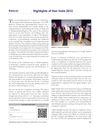
January 2012 in “International Journal of Trichology”
1 citations
,
January 2012 in “International Journal of Trichology” Hair India 2012 was a successful international event focused on combating fake trichology practices and discussing various hair health topics.
 1 citations
,
March 2011 in “Informa Healthcare eBooks”
1 citations
,
March 2011 in “Informa Healthcare eBooks” Hormonal therapy is effective for treating acne in adult women, especially with signs of high androgen levels.
 1 citations
,
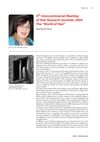
May 2004 in “Journal der Deutschen Dermatologischen Gesellschaft”
1 citations
,
May 2004 in “Journal der Deutschen Dermatologischen Gesellschaft” The meeting presented new findings on hair stem cells, pigmentation, genetics, and modern hair treatment techniques.
 1 citations
,
May 1999 in “Journal of The European Academy of Dermatology and Venereology”
1 citations
,
May 1999 in “Journal of The European Academy of Dermatology and Venereology” Treat hair loss with medicine, continue indefinitely.
May 2026 in “Journal of Tissue Engineering” A new treatment using cell secretions can regrow hair better than minoxidil.
 April 2026 in “Brazilian Journal of Hair Health”
 Perifollicular fibrosis hinders hair regrowth in androgenetic alopecia, and new treatments targeting fibrosis are needed.
 March 2026 in “Anti-Aging Eastern Europe”
 PCOS treatment should be personalized based on individual symptoms and health goals.
January 2026 in “Journal of Investigative Dermatology” Female-pattern hair loss may involve an autoimmune-like process, suggesting new treatment options.
 December 2025 in “Editora Pasteur eBooks”
 A combined medical and aesthetic approach is crucial for effectively managing PCOS and its skin-related issues.
 December 2025 in “Journal of Education Health and Sport”
 Green tea may help relieve PCOS symptoms, but more research is needed.
December 2025 in “The International Journal of Medical Science and Health Research” Rosemary may effectively treat hair loss with fewer side effects than conventional treatments.
 October 2025 in “Clinical Cosmetic and Investigational Dermatology”
 Experts created guidelines for treating hair loss in Egypt, focusing on personalized care.
 July 2025 in “American Journal of Clinical Dermatology”
 Alopecia treatments like 5α-reductase inhibitors and spironolactone are safe for breast cancer patients and high-risk women.
 May 2025 in “Journal of Clinical Images and Medical Case Reports”
 Hair transplants can trigger a rare scarring hair loss that is hard to treat.
April 2025 in “The American journal of patient health info.” PCOS affects many women, causing hormonal issues and health risks, but can be managed with lifestyle changes and medication.
February 2025 in “Clinical Chemistry” The woman's symptoms were due to an androgen-secreting tumor, not PCOS.
 September 2024 in “Health Sciences”
 Androgenic alopecia can be treated with minoxidil, finasteride, and hormonal therapy.
 June 2023 in “International Journal of Research in Dermatology”
 Certain gene variations are linked to severe acne in Egyptian patients and could guide treatment choices.

Enzymatic synthesis improved the water solubility of the flavonoid baicalin, which may help treat hair loss conditions.
 March 2023 in “Revista médica Clínica Las Condes”
 The study suggests a possible increase in androgen receptors in patients with frontal fibrosing alopecia, but more research is needed.
 January 2023 in “Springer eBooks”
 Most older adults experience pattern hair loss due to shrinking hair follicles, with men and women showing different balding patterns.
 November 2022 in “The Journal of Clinical Endocrinology and Metabolism”
 Postmenopausal hyperandrogenism, a condition with symptoms like increased hair growth and acne, is usually caused by PCOS but can also be due to other factors. It's diagnosed by checking testosterone levels and treated either by removing the adrenal tumor or through antiandrogen therapy.
 September 2022 in “Women's healthcare”
 PCOS is managed by lifestyle changes and personalized medication to improve symptoms and fertility.
 May 2022 in “Journal of the Egyptian Women's Dermatologic Society (Print)”
 Women's hair loss can be due to hormonal changes and various conditions, with treatments focusing on stopping progression and managing symptoms.
 April 2022 in “Brazilian Medical Students”
 People with androgenetic alopecia may have a higher risk of severe COVID-19.

The ketogenic diet might improve certain skin conditions, but more research is needed to confirm its effectiveness.
December 2019 in “Orvostudományi Értesítö” Lifestyle changes, medications, and fertility treatments can improve PCOS symptoms and prevent complications.
 July 2018 in “Elsevier eBooks”
 Frontal Fibrosing Alopecia is a type of hair loss affecting mostly older women, with no agreed best treatment.