 December 2023 in “EPRA international journal of multidisciplinary research”
 Alopecia areata causes sudden hair loss, has genetic links, and can be managed but not cured.
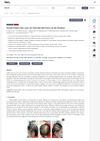
Different genes cause Female Pattern Hair Loss compared to male hair loss, and treatments vary, but more research is needed to understand it fully.
 July 2018 in “British Journal of Dermatology”
 Mindfulness reduces anxiety and depression in skin disease patients; dermatologists and psychiatrists often lack confidence in treating psychodermatological conditions.
 April 2017 in “International journal of research in Ayurveda and pharmacy”
 Ayurvedic methods can help reduce the harmful effects of chemicals in cosmetics.
 January 2022 in “Journal of Healthcare Sciences”
 Male Androgenetic Alopecia, a common hair loss in men, can be slowed and partially restored with treatments like minoxidil and finasteride, or hair transplantation. Serenoa repens may be an alternative treatment. More research is needed for new treatments.
 1 citations
,
September 2023 in “Stem cell research & therapy”
1 citations
,
September 2023 in “Stem cell research & therapy” Mesenchymal stem cells could help treat aging-related diseases better than current methods.
 1 citations
,
January 2013 in “Journal of Investigative Dermatology”
1 citations
,
January 2013 in “Journal of Investigative Dermatology” The document concludes that stem cells and their environments are crucial for skin and hair health and have potential for medical treatments.
 April 2026 in “Frontiers in Immunology”
 Blocking the CXCL12–CXCR4 axis may help treat hair loss in alopecia.
 January 2026 in “Journal of Biosciences and Medicines”
 Chronic kidney disease can cause skin issues that need early recognition and combined treatment for better outcomes.
 December 2025 in “Antioxidants”
 Fermented Yeast Complex Extract helps regrow hair by reducing oxidative stress and inflammation.
 222 citations
,
January 2014 in “International journal of reproductive medicine”
222 citations
,
January 2014 in “International journal of reproductive medicine” Insulin resistance and obesity are key factors in the development and worsening of polycystic ovary syndrome, and lifestyle changes are important for managing it.
 55 citations
,
November 2004 in “Expert opinion on drug safety”
55 citations
,
November 2004 in “Expert opinion on drug safety” Chemotherapy often causes hair loss, nail changes, and mouth issues, but these are usually manageable.
 25 citations
,
July 2021 in “Journal of Medical Virology”
25 citations
,
July 2021 in “Journal of Medical Virology” COVID-19 can cause various skin issues, including rashes and hair loss, which usually heal on their own and don't always indicate severe illness.
 December 2017 in “Springer eBooks”
 Transplant patients often get skin problems, with treatments varying by condition.
 January 2017 in “Springer eBooks”
 The document explains various skin conditions and their treatments.
365 citations
,
March 2021 in “Frontiers in Bioengineering and Biotechnology” Nanocarriers can improve drug delivery through the skin by overcoming barriers.

Chemotherapy for breast cancer often causes significant and lasting hair loss.
16 citations
,
December 2020 in “PloS one” Researchers found WNT10A to be a key gene in developing goat hair follicles.
 July 2026 in “Pharmaceuticals”
 Marine-derived polysaccharide nanofibers could improve wound healing but face challenges in becoming widely used.
7 citations
,
August 2020 in “Current topics in medicinal chemistry” New cancer treatments aim to reduce side effects and improve effectiveness.
 20 citations
,
September 2013 in “Anti-Cancer Drugs”
20 citations
,
September 2013 in “Anti-Cancer Drugs” PTH-CBD could help prevent and treat hair loss caused by chemotherapy in mice.

Dr. Min's method for eyebrow and eyelash transplantation is effective, with most hairs regrowing, and proper recovery is crucial for success.
2 citations
,
September 2025 in “Antioxidants” Antioxidant nanoparticles show promise for treating inflammatory diseases but need more research for safe and effective use.
3 citations
,
September 2025 in “Frontiers in Immunology” JAK inhibitors are effective for treating moderate-to-severe alopecia areata.
November 2025 in “Journal of Clinical Medicine” Advancements in regenerative science and longevity research can improve healthspans, but must be balanced with ethics and safety.
 July 2024 in “Journal of Dermatological Treatment”
 Botanical extracts and Minoxidil improved hair condition in a boy with a genetic disorder.
October 2025 in “Science Advances” IFN-γ production by CD4 T cells is crucial for causing alopecia areata.
 November 2023 in “The journal of investigative dermatology/Journal of investigative dermatology”
 Cancer treatment drugs can cause permanent hair loss by damaging hair follicle stem cells, but a specific inhibitor might reverse this effect.
 April 2026 in “Preprints.org”
 Bioavailable quercetin may help improve aging signs by positively affecting gut health.
January 2026 in “Clinical & Translational Oncology” Early intervention and tailored management are crucial for skin side effects in cancer treatments.