 March 2026 in “Molecular and Cellular Biomedical Sciences”
 EH-MSCs may help treat hair loss by reducing inflammation.

Elderly skin care needs personalized treatment, early intervention, and integrated psychiatric care.

Ca²⁺-mediated protein citrullination controls cell growth in the CNS and may help treat brain tumors.
 January 2026 in “Frontiers in Bioscience-Landmark”
 Araliadiol protects skin cells from damage by boosting antioxidant defenses.
 January 2026 in “Forum Dermatologicum”
 Hair loss can be caused by cancer, treatments, or skin conditions, and trichoscopy helps diagnose it.
Adipocytes in atopic dermatitis skin change and worsen inflammation and fibrosis.
 January 2026 in “Frontiers in Pharmacology”
 Personalized medicine and new technologies offer promising strategies for better skin disease treatments.
 January 2026 in “Frontiers in Pharmacology”
 Sanhuang Fukang oil helps heal radiation skin injuries by reducing inflammation and cell death.
 January 2026 in “Biomaterials Science”
 The formulation helps improve wound healing and skin repair.
 December 2025 in “Naunyn-Schmiedeberg s Archives of Pharmacology”
 Agomelatine may help reduce benign prostatic hyperplasia by blocking certain inflammatory pathways.
 November 2025 in “Frontiers in Pharmacology”
 Gentamicin-loaded exosomes improve healing of infected diabetic wounds in mice.
 November 2025 in “Frontiers in Immunology”
 Immune cells are crucial for normal skin development and their dysfunction can cause skin disorders.
 November 2025 in “Clinical Cosmetic and Investigational Dermatology”
 Immune cells and plasma proteins are linked to hair loss, suggesting new treatment options.
New-onset fibromyalgia after COVID-19 is poorly understood, needing better definitions and studies.
 October 2025 in “Pakistan journal of urology.”
 Personalized, minimally invasive treatments improve urology outcomes.
 October 2025 in “Clinical Cosmetic and Investigational Dermatology”
 Targeting specific cell interactions may help treat skin fibrosis.
 September 2025 in “Frontiers in Medicine”
 Angiopoietin-1 helps hair cells survive and grow, making it a potential treatment for hair loss.
 September 2025 in “Advanced Pharmaceutical Bulletin”
 Genosomes are promising for safe and effective gene delivery in therapy.
 September 2025 in “Experimental & Molecular Medicine”
 Small molecules KY19382 and KY19334 may help treat skin cancer by reducing CDK1 levels and blocking harmful cell signals.
 July 2025 in “Scientific Reports”
 Dermal papilla cell-conditioned medium can help reduce skin aging caused by oxidative stress.
 July 2025 in “International Journal of Dermatology Venereology and Leprosy Sciences”
 Higher stress levels may worsen alopecia areata, suggesting stress management is important for treatment.

Menopause-related skin changes may increase fungal infections and inflammation.
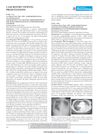 May 2025 in “The Journal of Rheumatology”
 Early diagnosis and treatment are crucial for CAPS, and Eculizumab can be effective.
 April 2025 in “Cellular and Molecular Biology”
 Human dermal stem/progenitor cells can divide and differentiate more than hair follicle dermal papilla cells.
 March 2025 in “World s Veterinary Journal”
 Therapy lowers IgM levels in dogs with severe dermatitis but not in mild cases.
Tridax procumbens may boost the immune system.
 January 2025 in “Open Medicine”
 High-concentration cell-free adipose extract reduces scar formation and improves scar appearance.
 January 2025 in “MEDS Public Health and Preventive Medicine”
 Spermidine supplements can help extend the hair growth phase and may be useful for treating hair loss.
 January 2025 in “American Journal of Stem Cells”
 Melanocyte stem cells hold promise for skin regeneration and treating pigmentation issues.
 December 2024 in “Highlights in Science Engineering and Technology”
 Stem cells show promise for hair regrowth, but challenges remain.