 56 citations
,
December 2011 in “The Plant Journal”
56 citations
,
December 2011 in “The Plant Journal” AGD1 is important for root hair development in Arabidopsis, working with phosphoinositide signaling and the actin cytoskeleton.
 7 citations
,
January 2015 in “Genetics and molecular research”
7 citations
,
January 2015 in “Genetics and molecular research” The RORα gene is active in different parts of cashmere goat hair follicles and may be influenced by melatonin, especially in December when hair growth changes.
 February 2022 in “Journal of Cosmetic Dermatology”
 Argan oil protects hair from oxidative damage and reduces protein loss.
 February 2026 in “Journal of Microbiology and Biotechnology”
 Abietic acid from pine rosin can effectively fight and reduce harmful skin microbes.
 3 citations
,
June 2023 in “Journal of cosmetic dermatology”
3 citations
,
June 2023 in “Journal of cosmetic dermatology” A new drug, abrocitinib, helped a child with severe hair loss regrow hair.
 148 citations
,
March 2022 in “The New England Journal of Medicine”
148 citations
,
March 2022 in “The New England Journal of Medicine” Baricitinib was effective in treating alopecia areata in two major trials.
research Hair
May 2024 in “Australasian Journal of Dermatology” Alopecia areata causes significant emotional and social challenges, especially with more hair loss.
Spearmint tea may help reduce testosterone levels in women with PCOS, but longer studies are needed to confirm its effect on hirsutism.
20 citations
,
April 2000 in “Experimental dermatology” ODC transgenic mice can model human hair loss with skin lesions.

DNA analysis can help tailor alopecia treatment.
2 citations
,
January 1986 in “PubMed” Spironolactone improved symptoms in women with hormonal imbalances and had few side effects.
 2 citations
,
January 2018 in “Journal of The European Academy of Dermatology and Venereology”
2 citations
,
January 2018 in “Journal of The European Academy of Dermatology and Venereology” Almost 40% of Greek women with acne show signs of androgen-related disorders, with adult women more likely affected.
 2 citations
,
January 1997 in “Archives of Dermatology”
2 citations
,
January 1997 in “Archives of Dermatology” Alopecia areata can regrow hair in a pattern similar to androgenetic alopecia.
June 2023 in “Value in Health” Alopecia areata treatments often cause headaches and infections, highlighting the need for safer options.
January 2026 in “Behavioral Sciences” Negative illness perceptions increase emotional distress, worsening OCD symptoms in alopecia areata patients.
 January 2008 in “Abstracts”
 Minoxidil sulfate gel can be used to treat hair loss.
 1 citations
,
August 2025 in “Journal of Neonatal Surgery”
1 citations
,
August 2025 in “Journal of Neonatal Surgery” The nanogel with Ciclopirox Olamine is a promising treatment for skin yeast infections.
 June 2010 in “Journal of Medicine and Life Science”
 Orostachys iwarenge Hara extract may help promote hair growth.
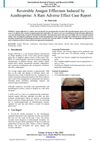 May 2025 in “International Journal of Science and Research (IJSR)”
 Stopping azathioprine led to full hair regrowth and recovery in 2.5 months.
 21 citations
,
February 2012 in “Journal of the European Academy of Dermatology and Venereology”
21 citations
,
February 2012 in “Journal of the European Academy of Dermatology and Venereology” Late-onset alopecia areata in Taiwanese patients is more common in women, usually starts at age 57, often involves less than 10% hair loss, and may have a minimal link to thyroid issues.
 January 2024 in “Journal of advanced research in Medical and Health science”
 People with severe and long-lasting alopecia areata often have low vitamin D levels, and treatments with vitamin D-like substances might help.
27 citations
,
April 2008 in “Neuroscience Letters” Olanzapine reduces stress-related anxiety in rats when given acutely.
January 2026 in “Zenodo (CERN European Organization for Nuclear Research)” January 2026 in “Zenodo (CERN European Organization for Nuclear Research)” 2 citations
,
January 2024 in “BioMed Research International” Patients with alopecia areata and eosinophilia have more nail issues and severe hair loss.
 October 2023 in “Benha Journal of Applied Sciences”
 PPAR-γ may be a key target for treating alopecia areata and other skin conditions.
July 2024 in “Reactions Weekly”  May 2025 in “Journal of Nanobiotechnology”
 The gel improves hair regrowth and reduces irritation in alopecia areata treatment.
6 citations
,
March 2024 in “Therapeutic Delivery” Nanoparticle drug delivery could improve alopecia areata treatment.
 56 citations
,
August 2020 in “American Journal of Clinical Dermatology”
56 citations
,
August 2020 in “American Journal of Clinical Dermatology” New tools help assess eyebrow, eyelash, and nail changes in Alopecia Areata, improving understanding of patient experiences.