 1 citations
,
April 2023 in “PubMed”
1 citations
,
April 2023 in “PubMed” Biocompatible artificial hair implants significantly improved patients' quality of life and were successful.
November 2024 in “Journal of Investigative Dermatology” Skin and hair cells release serotonin and histamine naturally, which could help improve skin health.
 March 2022 in “Research Square (Research Square)”
 A new growth medium doubles Malassezia restricta yield by using artificial sebum.
 43 citations
,
July 2019 in “Stem Cells International”
43 citations
,
July 2019 in “Stem Cells International” Advancements in creating skin grafts with biomaterials and stem cells are promising, but more research is needed for clinical application.
 February 2025 in “International Journal of Bioprinting”
 3D-printed scaffolds help regenerate hair follicles in lab-grown skin.
January 1995 in “Seoul National University Open Repository (Seoul National University)” SSO helps in skin protection and keratinization.
1 citations
,
March 2025 in “JAAD reviews.” Significant progress has been made in treating skin, hair, and nail disorders in people with skin of color, but disparities still exist.
 July 2026 in “Diagnostics”
 Integrating various skin imaging technologies improves diagnosis and treatment in dermatology.
 April 2026 in “Diagnostics”
 Skin changes in obesity can indicate metabolic issues but aren't reliable for assessing risk or monitoring treatment.
2 citations
,
December 2024 in “Journal of Cosmetic Dermatology” SNP profiling allows personalized skincare treatments for better results and fewer side effects.
January 2026 in “Wound Repair and Regeneration” Skin organoids are improving research but need better blood supply, nerve function, and immune system integration.
 93 citations
,
November 2018 in “Carbohydrate Polymers”
93 citations
,
November 2018 in “Carbohydrate Polymers” New nanocomposites with copper show promise for healing burn wounds and regenerating skin.
 September 2019 in “University of Huddersfield Repository (University of Huddersfield)”
 Nanoemulsions can effectively deliver antiseptic agents deep into the skin.
 August 2024 in “Cosmoderma”
 3D-printed hair follicles could revolutionize hair loss treatments by providing unlimited hair grafts.
12 citations
,
September 2000 in “Journal of the European Academy of Dermatology and Venereology” Balneophototherapy effectively treats ichthyosis linearis circumflexa but may need ongoing treatment due to short remission.
9 citations
,
February 2025 in “Biomimetics” Robotic surgery in plastic and reconstructive procedures improves precision and outcomes but faces challenges like high costs and long operating times.
1 citations
,
February 2026 in “ACS Omega” Self-powered nanogenerators could revolutionize healthcare by enabling devices that operate without external power.
1 citations
,
November 2023 in “Dermatological Reviews” Future skincare will use advanced science for personalized anti-aging treatments.
 April 2023 in “Journal of Investigative Dermatology”
 The AI model somewhat predicts lymph node status in melanoma patients using skin sample images.
 74 citations
,
March 1963 in “Archives of Dermatology”
74 citations
,
March 1963 in “Archives of Dermatology” Triparanol therapy can cause hair loss and skin dryness without inflammation or damage to hair follicles or skin structures.
57 citations
,
December 2011 in “Lasers in Surgery and Medicine” Selective photothermolysis can target sebaceous glands and may treat acne effectively.
 40 citations
,
January 2016 in “PLoS ONE”
40 citations
,
January 2016 in “PLoS ONE” Shorter daylight increases hair growth in Cashmere goats.
17 citations
,
May 2025 in “MedComm” Organoid technology is improving personalized medicine by better predicting drug responses and treatments.
2 citations
,
May 2025 in “IntechOpen eBooks” Early treatment with corticosteroids and immunosuppressants is crucial for managing Vogt-Koyanagi-Harada disease.
September 2025 in “Cuadernos de Educación y Desarrollo” Laser and light technologies are used in dermatology for skin treatments and improving outcomes.
January 2015 in “Elsevier eBooks” Stem cells show promise for nerve injury treatment, but more research is needed before human use.
 August 2023 in “bioRxiv (Cold Spring Harbor Laboratory)”
 Too much β-catenin activity can mess up the development of mammary glands and make them more like hair follicles.
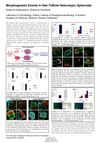
Researchers developed a method to create artificial hair follicles that may help with hair loss treatment and research.
 January 2024 in “Wiadomości Lekarskie”
 AI is advancing in dermatology and cosmetology, raising questions about its potential and trustworthiness.
 September 2020 in “British Journal of Dermatology”
 The document highlights advancements and findings in dermatology, including AI use, disease prevention, treatment efficacy, and the impact of conditions on patients' lives.