 1 citations
,
January 2017 in “The Annals of Clinical and Analytical Medicine”
1 citations
,
January 2017 in “The Annals of Clinical and Analytical Medicine” Vitamin D receptor gene changes don't affect alopecia areata risk.
 June 2026 in “Journal of health economics and outcomes research”
 Ritlecitinib is more effective and cheaper than baricitinib for treating severe alopecia areata.
 March 2026 in “Dermatology and Therapy”
 Distinct miRNA signatures could help diagnose and treat severe Alopecia Areata.
 March 2026 in “Health Psychology Report”
 Self-compassion can help reduce body shame and psychological distress in people with alopecia and psoriasis.
 February 2026 in “Frontiers in Immunology”
 Ivarmacitinib significantly improved hair regrowth in severe alopecia areata after tofacitinib was less effective.
 January 2026 in “Dermatology Practical & Conceptual”
 Triamcinolone acetonide is more effective than cryotherapy for hair regrowth in alopecia areata but has different side effects.
 December 2025 in “Dermatology The American Medical Journal”
 JAK inhibitors are effective for long-term management of alopecia areata.
 November 2025 in “International Journal of Research in Medical Sciences”
 Unani medicine may help treat a rare, hard-to-treat hair loss pattern in children.
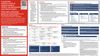 November 2025 in “SKIN The Journal of Cutaneous Medicine”
 Alopecia areata negatively affects self-esteem, relationships, and academics in young people.
 November 2025 in “Bioscientia Medicina Journal of Biomedicine and Translational Research”
 A combined treatment with microneedling and vitamin D3 led to complete hair regrowth in a woman with stubborn patch alopecia areata.
Baricitinib effectively regrows hair in severe alopecia areata cases.
 September 2025 in “Tạp chí Da liễu học Việt Nam”
 Combining oral methylprednisolone with microneedle radiofrequency improves hair growth in alopecia areata but may cause pain and side effects.
 July 2025 in “Pakistan Journal of Intensive Care Medicine”
 Clobetasol propionate 0.05% ointment is more effective than tacrolimus 0.1% ointment for treating alopecia areata.
 April 2025 in “PharmacoEconomics - Open”
 Patients with Alopecia Areata are willing to trade life duration for better quality of life.
 April 2025 in “International Journal of Homoeopathic Sciences”
 Homeopathic treatment helped a girl regrow hair after other treatments failed.
 April 2025 in “Journal of the Faculty of Medicine Baghdad”
 Alopecia areata patients may have higher T3 and cortisol levels, suggesting a hormonal link.
 January 2025 in “ARC Journal of Dermatology”
 Black patients are underrepresented in alopecia research, highlighting the need for more inclusive studies.
 January 2025 in “Acta Dermatovenerologica Alpina Pannonica et Adriatica”
 Baricitinib is effective and safe for treating severe alopecia areata.
 January 2025 in “International Journal of Pharmaceutical Research and Development”
 Herbal products are preferred for treating hair loss due to their reliability in promoting regrowth.
 December 2024 in “Nordisk tidsskrift for helseforskning”
 People with alopecia areata face challenges but find ways to cope and live fulfilling lives.
 July 2024 in “International Journal of Medical Arts”
 Latanoprost is more effective than minoxidil for treating alopecia areata.
 April 2024 in “Proceedings”
 People with alopecia areata often have lower iron levels than healthy people.
 February 2024 in “International Journal of Research in Dermatology”
 Thyroid tests may not be needed for all vitiligo and alopecia areata patients unless thyroid disease symptoms appear.
 January 2024 in “International Journal of Homoeopathic Sciences”
 Individualized homeopathic treatment can effectively treat alopecia areata.
 December 2023 in “Research Square (Research Square)”
 These specific gene polymorphisms are not linked to Alopecia Areata in Egyptians.
 December 2023 in “Journal of health and rehabilitation research”
 Oral Apremilast effectively treats alopecia areata in most patients.
 October 2023 in “Dermatology practical & conceptual”
 Pulse corticosteroids help regrow hair in alopecia areata but have side effects, especially betamethasone.
 October 2023 in “Benha Journal of Applied Sciences”
 PPAR-γ may be a key target for treating alopecia areata and other skin conditions.
 October 2023 in “Research Square (Research Square)”
 Oxidative stress is linked to mild patchy alopecia areata.
 August 2023 in “Sabuncuoglu Serefeddin Health Sciences”
 CT60 polymorphism might increase the risk of Alopecia Areata.