 1 citations
,
October 1987 in “Drug Information Journal”
1 citations
,
October 1987 in “Drug Information Journal” The article concludes that products can affect the body without being drugs as long as they don't claim to treat or prevent diseases, except for cosmetic sunscreens.
 May 2026 in “Frontiers in Medicine”
 The Shumin device with doxycycline is more effective for rosacea than red light therapy.
 April 2026 in “Dermatology and Therapy”
 Baricitinib 4 mg should be used for at least 1 year to see significant hair regrowth in severe alopecia areata.
 March 2026 in “American Journal of Clinical Dermatology”
 Ritlecitinib is effective and safe for long-term use in treating severe alopecia areata in people aged 12 and older.
 March 2026 in “ArXiv.org”
 Large language models struggle with accurate clinical decision-making compared to real-world needs.
 January 2026 in “International Journal of Current Research and Review”
 Maidenhair fern may help with health issues but should not be used during pregnancy.
 December 2025 in “Drug Discovery and Molecular Docking (DDMD)”
 Single-cell transcriptomics reveals detailed cellular diversity and key pathways in tissue regeneration.
 December 2025 in “Frontiers in Immunology”
 Restoring nerve-macrophage communication may help treat autoimmune diseases.
 November 2025 in “SKIN The Journal of Cutaneous Medicine”
 Baricitinib effectively regrows scalp hair in most people with severe alopecia areata.
 November 2025 in “SKIN The Journal of Cutaneous Medicine”
 Upadacitinib effectively treats severe alopecia areata and is safe.
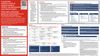 November 2025 in “SKIN The Journal of Cutaneous Medicine”
 Alopecia areata negatively affects self-esteem, relationships, and academics in young people.
 October 2025 in “Dermatology and Therapy”
 Ritlecitinib is being tested for effectiveness and safety in treating severe alopecia areata.
 October 2025 in “International Journal For Multidisciplinary Research”
 Traditional Indian hair remedies are gaining popularity for their natural and effective benefits in hair care.

Removing follicular plugging is crucial for effective alopecia treatment.

Caffeine therapy helped hair recovery after chemical and traction damage.
 July 2025 in “SKIN The Journal of Cutaneous Medicine”
 Ritlecitinib is generally safe for alopecia areata patients over 72 months.
 March 2025 in “SKIN The Journal of Cutaneous Medicine”
 Certain patient characteristics can help predict hair regrowth success with ritlecitinib in alopecia areata.
 January 2025 in “SKIN The Journal of Cutaneous Medicine”
 Baricitinib significantly regrows hair in severe alopecia areata patients.
 January 2025 in “Institutional Repositories DataBase (IRDB)”
 Maslinic acid from olive extracts promotes hair growth like minoxidil.
 January 2025 in “Dialnet (Universidad de la Rioja)”
 ADSC-enriched fat grafting is the best and safest aesthetic treatment, combining effectiveness and ethical confidence.
 January 2025 in “Bright Sky Publications eBooks”
 Advancements in medical physics and laser technology are improving healthcare but access remains unequal globally.
 September 2024 in “Cutis”
 Dermatology residency programs need better DEI training to improve care for diverse patients.
 August 2024 in “International Journal of Basic & Clinical Pharmacology”
 Secretome-based therapies could improve hair growth better than current treatments.
 August 2024 in “Clinical and Medical Engineering Live”
 Alopecia treatment should use a modern, combined approach to effectively address hair loss.
 July 2024 in “jurnal ABDIMAS Indonesia”
 Early detection of apolipoprotein levels helps reduce depression risk in the elderly.
 April 2024 in “bioRxiv (Cold Spring Harbor Laboratory)”
 Removing Sprouty genes in mice causes various hormone-related issues but does not increase cancer risk by one year of age.
 February 2024 in “Hormones”
 Future hormone therapy trials should match the diverse needs and priorities of the gender-diverse community.
 January 2024 in “American journal of clinical dermatology”
 Ritlecitinib is safe and well-tolerated for treating alopecia areata in patients aged 12 and older.
 November 2023 in “Martor”
 People still turn to witchcraft for help with modern problems despite technological advances.
 November 2023 in “Linköping University medical dissertations”
 Keratinocytes and adipose-derived stem cells can effectively heal difficult skin wounds.