 4 citations
,
July 2020 in “International Journal of Cosmetic Science”
4 citations
,
July 2020 in “International Journal of Cosmetic Science” All hair removal methods irritate underarm skin and cause dryness, with shaving being less irritating but more drying than plucking or waxing.
 4 citations
,
August 2018 in “International Journal of Research -GRANTHAALAYAH”
4 citations
,
August 2018 in “International Journal of Research -GRANTHAALAYAH” Catalase in processed meats may cause cancer by emitting electromagnetic fields.
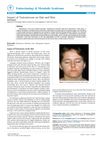 4 citations
,
January 2015 in “Endocrinology & metabolic syndrome”
4 citations
,
January 2015 in “Endocrinology & metabolic syndrome” Testosterone can cause acne and male-pattern baldness, affects hair growth in men and women, and makes male skin more sensitive.
 4 citations
,
January 2004 in “Biological and Pharmaceutical Bulletin”
4 citations
,
January 2004 in “Biological and Pharmaceutical Bulletin” AgK114 protein helps in hamster skin injury recovery.
2 citations
,
August 2023 in “Molecules” SH-340 may improve skin barrier and help treat atopic dermatitis.
 2 citations
,
December 2022 in “Journal of toxicologic pathology”
2 citations
,
December 2022 in “Journal of toxicologic pathology” Skin structure complexity and variability are crucial for assessing skin toxicity in safety tests.
1 citations
,
September 2025 in “Cosmetics” Milk thistle can protect skin from damage and aging.
 1 citations
,
January 2015 in “Springer eBooks”
1 citations
,
January 2015 in “Springer eBooks” Chemotherapy can cause skin side effects that affect patients' lives, but they can be managed to avoid interrupting cancer treatment.

Improving quercetin absorption reduces aging signs in mice by benefiting gut health.
 April 2026 in “Preprints.org”
 Bioavailable quercetin may help improve aging signs by positively affecting gut health.
 March 2026 in “Wiadomości Lekarskie”
 Psychological stress speeds up skin aging.
 March 2026 in “Plastic and Aesthetic Research”
 Adipose-derived stem cell exosomes can help reduce skin aging from UV exposure.
 March 2026 in “Journal of Drug Delivery and Therapeutics”
 Aloe vera is effective and safe for skin and hair care.
 February 2026 in “International Research Journal of Modernization in Engineering Technology and Science”
 Protect lips from aging with sunscreen, repair barriers, and boost collagen.
 January 2026 in “Inflammation and Regeneration”
 Two-photon microscopy improves skin imaging but faces safety and cost challenges for clinical use.
 December 2025 in “Dermatological Health”
 Using eyebrow powder caused eyebrow hair loss, but stopping its use led to regrowth.
 November 2025 in “Journal of Ayurveda and Integrated Medical Sciences”
 Using essential oils in Shiroabhyang can improve hair health and growth.
 July 2025 in “Journal of Cosmetic Dermatology”
 The model shows how heat damages hair, helping test hair care products.
 July 2025 in “Scientific Reports”
 Fermented grapeseed oil effectively repairs and protects chemically damaged hair.
 March 2025 in “International Journal of Pharmaceutical Research and Applications”
 A multidisciplinary approach is key to delaying aging and preventing age-related diseases.
 January 2025 in “International Journal of Dermatology Venereology and Leprosy Sciences”
 Obesity worsens skin health and losing weight can improve skin conditions.
 January 2023 in “Discovery immunology”
 T cells and bacteria in the gut and skin help maintain health and protect against disease.
Different types of skin cells and immune cells play a role in healing UV-damaged skin, with chronic UV exposure causing lasting damage to certain skin cells.

Wild African goats have genetic adaptations for surviving harsh desert conditions.
 July 2021 in “Journal of dermatology research and therapy”
 Using combined treatments can help manage acne by targeting the bacteria and skin changes that cause it.
Different types of sun exposure damage skin cells and immune cells, with chronic exposure leading to more severe and lasting damage.

Guaraná extract effectively reduces oiliness in skin and hair without harming skin health.
 January 2019 in “Durham e-Theses (Durham University)”
 Advanced microscopy shows hair damage and keratin proteins' roles, aiding future cosmetic treatments.
 January 2018 in “Stem cell biology and regenerative medicine”
 ATP-dependent chromatin remodeling is crucial for skin development and stem cell function.
Skin changes throughout life, from development before birth to aging effects like wrinkles, influenced by both genetics and environment.