56 citations
,
October 2010 in “Pediatric Clinics of North America” Epidermal nevi are skin cell clusters linked to various syndromes.
2 citations
,
January 2023 in “Skin Appendage Disorders” Beard alopecia areata causes patchy beard hair loss, often treatable with janus kinase inhibitors.
 41 citations
,
December 2015 in “Journal of the European Academy of Dermatology and Venereology”
41 citations
,
December 2015 in “Journal of the European Academy of Dermatology and Venereology” The conclusion is that a new biopsy technique and humidity chamber help study skin mites better and suggest mite overpopulation may cause skin diseases.
 32 citations
,
August 2003 in “Journal of the American Academy of Dermatology”
32 citations
,
August 2003 in “Journal of the American Academy of Dermatology” Tinea capitis can be misdiagnosed as bacterial infection in adult women but is treatable with antifungal medication.
 January 2025 in “International Journal of Veterinary Sciences and Animal Husbandry”
 Sarolaner effectively treats generalized demodicosis in dogs without side effects.
 1 citations
,
January 2024 in “Journal of applied pharmaceutical science”
1 citations
,
January 2024 in “Journal of applied pharmaceutical science” Bacteria from Xylocarpus fruit can be used in hair creams to treat hair loss and fight infections.
14 citations
,
January 2014 in “Dermatology Research and Practice” Many infants in Northern Ethiopia have zinc deficiency.
24 citations
,
May 2017 in “Annals of botany” Pathogenic Pseudomonas syringae bacteria stimulate early root hair growth in Arabidopsis plants.
4 citations
,
November 1984 in “JAMA” Certain medications, like trimethoprim, can cause aseptic meningitis, especially in people with autoimmune conditions.
 November 2023 in “International Journal of Infectious Diseases”
 A girl with head lice was successfully treated with sulfur ointment and hair shaving.
 January 2014 in “Michigan telecommunications and technology law review”
 Zinc deficiency in alcoholic cirrhosis patients causes skin issues, and zinc treatment improves symptoms.
 June 2001 in “Annals of Internal Medicine”
 The conclusion suggests that the zinc lozenge study is valid despite imperfect blinding, as many participants could not correctly identify their lozenge type.
30 citations
,
July 1984 in “Journal of Animal Science” Adding biotin to sows' diets increased the number of pigs weaned per litter.
 January 2024 in “Editora In Vivo eBooks”
 Giardiasis in dogs poses a public health risk, requiring better diagnosis, treatment, and sanitation.
 March 2023 in “Journal of Veterinary Medicine and Animal Health”
 The fly larvae infestation caused severe skin damage and health issues in Kenyan dogs.
 January 2026 in “The Pharma Innovation”
 A kitten with mange was cured using selamectin, shampoo, supplements, and ointment.
66 citations
,
February 2002 in “Veterinary dermatology” Malassezia in cat skin biopsies may indicate internal cancer.
December 2025 in “Antibiotics” Tinea capitis in older adults is often misdiagnosed but can be effectively treated with antifungal therapy.
49 citations
,
April 2007 in “Pediatric Dermatology” Biotin improved hair appearance in uncombable hair syndrome but didn't change hair structure.
 November 2022 in “International journal of biology, pharmacy and allied sciences”
 The new herbal shampoo is effective, safe, and more affordable than other products.
3 citations
,
March 1966 in “Archives of Dermatology” Nevoid basal cell carcinomas start in the skin's top layer and hair follicles.
March 2026 in “Buletin Veteriner Udayana” Stella fully recovered from Malassezia dermatitis after 4 weeks of treatment.
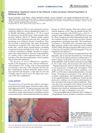 3 citations
,
January 2020 in “Acta Dermato Venereologica”
3 citations
,
January 2020 in “Acta Dermato Venereologica” Netherton Syndrome can cause severe skin lesions in rare cases.
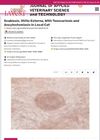 April 2025 in “Journal of Applied Veterinary Science And Technology”
 The cat's health improved significantly after treatment.
37 citations
,
February 2005 in “Journal of Investigative Dermatology” Overexpression of SSAT causes hair loss and skin issues, but reducing putrescine can help.
 April 2024 in “Iranian journal of veterinary medicine”
 43.1% of rabbits in Mosul City had mange, with Sarcoptes scabiei var. cuniculi being the most common.
 July 2023 in “Media Dermato Venereologica Indonesiana”
 Early diagnosis, stopping the suspected drug, and supportive care are crucial for treating Stevens-Johnson Syndrome and Toxic Epidermal Necrolysis.
2 citations
,
August 2004 in “Veterinary Dermatology” A dog with a hereditary skin condition causing blisters and hair loss survived for a year.
 March 2012 in “Al-Azhar Journal of Pharmaceutical Sciences”
 The plant Russelia equisetiformis has beneficial chemical compounds and effects.