January 2026 in “Western Journal of Nursing Research” Hair cortisol levels don't reliably indicate chronic stress in people with multiple sclerosis.
January 2026 in “Al-Furat Journal for Health and Medical Sciences” Enterococcus faecalis may be linked to the severity of alopecia areata.
January 2026 in “Dermatologic Therapy” Female pattern hair loss can signal hormone issues and should be part of health checks for personalized treatment.
 December 2025 in “Babcock University Medical Journal”
 CD27 and IL-35 can help diagnose alopecia areata linked to bacterial infections.
November 2025 in “Free Radical Biology and Medicine” SOD1 and KL are promising targets for new hair loss treatments.
November 2025 in “Analytical Chemistry” A new method improves protein extraction from hair, helping identify potential biomarkers for fetal growth issues.
November 2025 in “OPAL (Open@LaTrobe) (La Trobe University)” A new method helps find proteins in hair to identify fetal growth issues.
November 2025 in “Psychoneuroendocrinology” Hair proteomics could be a useful, non-invasive tool for identifying stress-related disorders.
September 2025 in “Journal of Clinical Medicine” Elevated granulysin levels may indicate disease activity in vitiligo and alopecia areata.
September 2025 in “Journal of Intellectual Disability Research” Measuring hair glucocorticoids for stress is moderately feasible, especially in females and those with moderate intellectual disabilities.
 September 2025 in “International Journal of Molecular Sciences”
 Hair analysis could help diagnose and treat schizophrenia more effectively.
July 2025 in “Journal of Investigative Dermatology” Three molecular subtypes of advanced skin T-cell lymphoma were identified, with potential biomarkers for predicting treatment response and disease progression.

Vitamin D deficiency and altered lipid metabolism may contribute to female hair loss.
July 2025 in “Arab Board Medical Journal” NF-κB levels can help diagnose and assess the severity of androgenetic alopecia.
 June 2025 in “International Journal of Computational Intelligence Systems”
 The TPAP method effectively categorizes androgenetic alopecia patients with high accuracy, but needs real-world validation.
March 2025 in “Medical Science Journal for Advance Research” miR-155 levels in blood could help identify alopecia areata.
 March 2025 in “medRxiv (Cold Spring Harbor Laboratory)”
 Hair proteomics could be a promising non-invasive way to identify stress-related disorders.
November 2024 in “Journal of Investigative Dermatology” Certain NK cell changes in blood may indicate alopecia areata progression.
September 2024 in “Texila international journal of public health” PCOS may start with high insulin levels, and certain biomarkers can help understand its causes, especially in teens.
 April 2024 in “The Journal of urology/The journal of urology”
 SRD5A2 methylation in blood can predict how well someone will respond to finasteride treatment.
 April 2024 in “Journal of wildlife diseases”
 Muskox hair growth rates vary widely, so a single growth rate can't be used for all populations.
March 2024 in “International journal of molecular sciences” Meibomian glands are highly specialized and differ significantly from other sebaceous glands in structure and function.
 March 2024 in “Skin research and technology”
 High CRP levels could indicate vitamin D deficiency in people with alopecia areata.
 May 2023 in “Journal of Student Research”
 Creating specific biological indicators is important for early detection and treatment of PCOS.
April 2023 in “Cancer Research” Plucked hair can effectively monitor drug effects in cancer treatment.
March 2023 in “Journal of Personalized Medicine” Functional nutrition evaluations can improve personalized wellness programs and help prevent chronic diseases.
 January 2023 in “Research Square (Research Square)”
 Hair cortisol may be a good indicator of recent mood in people with bipolar disorder.
 December 2022 in “Research Square (Research Square)”
 The QuantAnts machines can find cancer markers and create CRISPR targets for them.
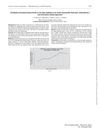 October 2022 in “European heart journal”
 Higher stress levels were found about two weeks before a heart attack.
 May 2021 in “Open Access Macedonian Journal of Medical Sciences”
 People with premature hair graying have an imbalance between harmful and protective molecules in their body, hinting that antioxidants might help.