January 2018 in “Social Science Research Network” Certain small molecules that trigger cell cleanup processes can promote hair growth.
 January 2026 in “Microsystems & Nanoengineering”
 Research on silica-based nanobiomaterials for tissue regeneration is rapidly growing, with China leading in volume and the U.S. excelling in impact.
16 citations
,
March 2024 in “International Journal of Molecular Sciences” Natural compounds and biomimetic engineering can improve wound healing by enhancing fibroblast activity.
January 2023 in “Zenodo (CERN European Organization for Nuclear Research)” April 2026 in “Aesthetic Cosmetology and Medicine” Nanotechnology in skincare can precisely deliver anti-aging genes to improve skin health.
December 2020 in “Open Repository of the University of Porto (University of Porto)”  43 citations
,
October 1955 in “The journal of nutrition/The Journal of nutrition”
43 citations
,
October 1955 in “The journal of nutrition/The Journal of nutrition” Germ-free rats need biotin for growth and have different vitamin metabolism compared to regular rats.
 2 citations
,
September 2023 in “Aging”
2 citations
,
September 2023 in “Aging” Elastic Net DNA methylation clocks are inaccurate for predicting age and health status; a "noise barometer" may better indicate aging and disease.
January 2024 in “Pharmacokinetics and Pharmacodynamics” Human placenta extracts may help treat various diseases.
December 2025 in “Pharmaceutics” Personalized skin rejuvenation using genomics shows promise but needs more research.
May 2005 in “Comparative and Functional Genomics” 4 citations
,
December 2018 in “Zenodo (CERN European Organization for Nuclear Research)” Biomagnetic forces can deform red blood cells.
 February 2026 in “Diabetes Metabolic Syndrome and Obesity”
 Higher basal metabolic rate increases the risk of non-alcoholic fatty liver disease, especially in Chinese people, and may require tailored management.
January 2013 in “Victoria University Research Repository (Victoria University)” An elemental database for Chinese herbal remedies was created to explore the role of inorganic species in medicine.
 May 2023 in “Stem Cells International”
 Different parts of the body's fat tissue have unique cell types and characteristics, which could help treat chronic wounds.
11 citations
,
October 2022 in “Clinical Cosmetic and Investigational Dermatology” Personalized skincare can be improved by understanding genetic differences and using compounds like Resveratrol and Quercetin.
 9 citations
,
November 1978 in “Diabetes Care”
9 citations
,
November 1978 in “Diabetes Care” The document concludes that a high-protein, low-carb diet can lead to significant weight loss but requires caution and further research.
1 citations
,
July 2025 in “Advanced Materials” The zinc-coordinated nanogel therapy speeds up wound healing after pancreas surgery by balancing metabolism and fighting bacteria.
 13 citations
,
January 2010 in “Advances in Biochemical Engineering / Biotechnology”
13 citations
,
January 2010 in “Advances in Biochemical Engineering / Biotechnology” Understanding hair biology is key to developing better treatments for hair and scalp issues.
December 2015 in “아시안뷰티화장품학술지” Green tea's EGCG has various health benefits, including antioxidant properties, skin protection, cancer cell growth inhibition, anti-inflammatory effects, fat breakdown, detoxification, diabetes management, hair growth stimulation, and prevention of gum disease.
 October 2023 in “bioRxiv (Cold Spring Harbor Laboratory)”
 Blocking both main energy pathways can stop hair follicle stem cell-induced skin cancer growth.
3 citations
,
October 2021 in “bioRxiv (Cold Spring Harbor Laboratory)” scINSIGHT helps understand single-cell gene expression better than current methods.
 1 citations
,
October 2014 in “Molecular Biology of the Cell”
1 citations
,
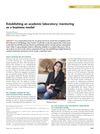
October 2014 in “Molecular Biology of the Cell” Valentina Greco emphasizes the importance of combining business management with mentoring to run a successful academic lab.
4 citations
,
July 2023 in “Analytical and Bioanalytical Chemistry” 83 citations
,
August 2020 in “Resources” Macroalgae compounds offer sustainable, effective benefits for cosmetics.
 2 citations
,
October 1990 in “The Lancet”
2 citations
,
October 1990 in “The Lancet” Some people have a genetic variation that makes them less effective at breaking down drugs.
89 citations
,
January 2021 in “Molecules” Biopolymeric composites need advanced properties for better use in medicine and healing.
 September 2021 in “Physiology News”
 The Future Physiology 2021 conference was successful in providing networking and learning opportunities for early career physiologists online.
 March 2026 in “SHILAP Revista de lepidopterología”
 Cosmeceuticals effectively treat skin issues but need better regulation and safety measures.
November 2025 in “Journal of Natural Fibers” Human hair waste can be valuable in engineering and materials due to its unique properties.