 42 citations
,
June 2012 in “Clinical and Experimental Dermatology”
42 citations
,
June 2012 in “Clinical and Experimental Dermatology” Black dots under trichoscopy can appear in different hair and scalp conditions, not just in alopecia areata.
 2 citations
,
July 2021 in “Dermatologic Therapy”
2 citations
,
July 2021 in “Dermatologic Therapy” A woman's hair loss after COVID-19 was likely due to a mix of pressure-induced alopecia and acute telogen effluvium.
 8 citations
,
July 2014 in “Anais Brasileiros de Dermatologia”
8 citations
,
July 2014 in “Anais Brasileiros de Dermatologia” A man's scalp condition was misidentified as hair loss dots but was actually a common follicular disorder.
 15 citations
,
November 2016 in “Journal of The American Academy of Dermatology”
15 citations
,
November 2016 in “Journal of The American Academy of Dermatology” Exclamation mark hairs suggest early scalp disease, while white dots indicate it's chronic.
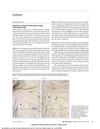 6 citations
,
January 2016 in “JAMA Dermatology”
6 citations
,
January 2016 in “JAMA Dermatology” Dirty dots are a common scalp finding in elderly women and can be washed away with shampoo.
1 citations
,
June 2025 in “Journal of Drugs in Dermatology” Better documentation of alopecia areata in Black individuals is needed to improve diagnosis.
February 2013 in “Journal of the American Academy of Dermatology” Follicular red dots can appear where alopecia areata and vitiligo overlap.
 18 citations
,
March 2015 in “Journal of Dermatological Case Reports”
18 citations
,
March 2015 in “Journal of Dermatological Case Reports” Rectangular black granules, solitary yellow dots, and mostly single-hair follicles suggest Loose Anagen Hair Syndrome.
 196 citations
,
June 2008 in “International Journal of Dermatology”
196 citations
,
June 2008 in “International Journal of Dermatology” Dermoscopy helps diagnose and manage alopecia areata by showing specific hair changes.
 89 citations
,
March 2018 in “The Journal of Dermatology”
89 citations
,
March 2018 in “The Journal of Dermatology” Trichoscopy helps diagnose and monitor alopecia areata by looking at a combination of specific hair and scalp features.
 89 citations
,
December 2010 in “The Journal of Dermatology”
89 citations
,
December 2010 in “The Journal of Dermatology” The conclusion is that an algorithm using trichoscopy helps diagnose different types of hair loss but may need updates and a biopsy if results are unclear.
76 citations
,
January 2011 in “Indian Journal of Dermatology/Indian journal of dermatology” Dermoscopy is a useful tool for diagnosing and managing alopecia areata.
 66 citations
,
November 2011 in “Journal of The American Academy of Dermatology”
66 citations
,
November 2011 in “Journal of The American Academy of Dermatology” A handheld dermatoscope helps diagnose different types of hair loss effectively.
56 citations
,
June 2010 in “Clinical and experimental dermatology” Coudability hairs are useful markers for alopecia areata activity.
52 citations
,
April 2000 in “International Journal of Dermatology” Tinea capitis in Benghazi mainly affects children under 10, with Trichophyton violaceum as the leading cause.
 43 citations
,
August 2013 in “Pediatric Dermatology”
43 citations
,
August 2013 in “Pediatric Dermatology” Trichoscopy is good for diagnosing and monitoring hair and scalp problems in children but needs more research for certain conditions.
 42 citations
,
January 2008 in “Dermatology”
42 citations
,
January 2008 in “Dermatology” Dermoscopy effectively distinguishes between acute total hair loss and other types of female hair loss.
 38 citations
,
January 2016 in “Indian Journal of Dermatology, Venereology and Leprology”
38 citations
,
January 2016 in “Indian Journal of Dermatology, Venereology and Leprology” Trichoscopy is useful for diagnosing different types of hair loss.
 34 citations
,
January 2014 in “International Journal of Trichology”
34 citations
,
January 2014 in “International Journal of Trichology” Polarized dermoscopy is slightly better than nonpolarized for diagnosing hair disorders, with each method having its own strengths.
 33 citations
,
August 2013 in “British Journal of Dermatology”
33 citations
,
August 2013 in “British Journal of Dermatology” Lack of small, fine hair on the front hairline is a key sign of frontal fibrosing alopecia.
 33 citations
,
September 2012 in “Australasian Journal of Dermatology”
33 citations
,
September 2012 in “Australasian Journal of Dermatology” Chemotherapy can cause hair changes similar to alopecia areata, which might lead to misdiagnosis.
 32 citations
,
January 2014 in “Dermatology Research and Practice”
32 citations
,
January 2014 in “Dermatology Research and Practice” Trichoscopy can effectively tell apart tinea capitis and alopecia areata in children by looking for specific hair shapes.
31 citations
,
October 2018 in “Journal of the European Academy of Dermatology and Venereology” Trichoscopy effectively diagnoses eyebrow loss, distinguishing between alopecia areata and frontal fibrosing alopecia.
 30 citations
,
October 2013 in “Lupus”
30 citations
,
October 2013 in “Lupus” Hair loss in lupus is different from hair loss in alopecia areata and may indicate lupus activity.
29 citations
,
February 2019 in “Pediatric dermatology” Trichotillomania shows specific signs like black dots and uneven hair lengths but lacks certain features of alopecia areata.
 29 citations
,
January 2019 in “Journal of the European Academy of Dermatology and Venereology”
29 citations
,
January 2019 in “Journal of the European Academy of Dermatology and Venereology” Trichoscopy is useful for diagnosing and monitoring systemic lupus erythematosus, with certain hair and scalp changes indicating more active disease.
 26 citations
,
September 2016 in “International Journal of Dermatology”
26 citations
,
September 2016 in “International Journal of Dermatology” Trichoscopy is good for telling apart tinea capitis and alopecia areata in kids.
 26 citations
,
August 2013 in “Australasian Journal of Dermatology”
26 citations
,
August 2013 in “Australasian Journal of Dermatology” Certain scalp patterns can indicate the severity and activity of hair loss in Turkish alopecia patients.
 23 citations
,
July 2018 in “Journal of Cosmetic Dermatology”
23 citations
,
July 2018 in “Journal of Cosmetic Dermatology” Chemotherapy caused hair loss with specific patterns, but most patients had hair regrowth after treatment, while some had lasting hair loss.
19 citations
,
July 2019 in “Journal of Cosmetic Dermatology” A new tool can predict hair regrowth in patchy alopecia areata patients.