 March 2026 in “Aging Research”
 Personalized anti-aging strategies are important, considering genetics and lifestyle.
 February 2026 in “Chinese Medicine”
 Natural products might help treat hair greying.
 January 2026 in “Food Science and Human Wellness”
 Krill oil may help reduce prostate enlargement and growth.
 December 2025 in “Journal of Food Innovation, Nutrition, and Environmental Sciences”
 Solar drying preserves chlorophyll and phytochemicals in Chaya leaves better than sun drying.
 September 2025 in “Frontiers in Cell and Developmental Biology”
 Retinoic acid may help heal skin without scars by reducing fibrosis and supporting skin regeneration.

Ladakh hotsprings contain compounds with potential medicinal benefits for various health conditions.
Tridax procumbens may boost the immune system.
 November 2024 in “TẠP CHÍ KHOA HỌC TRƯỜNG ĐẠI HỌC QUỐC TẾ HỒNG BÀNG”
 Nepenthes kampotiana has unique plant features and contains various beneficial compounds.
 September 2024 in “Vietnam Journal of Biotechnology”
 Astaxanthin may help protect hair cells from damage and prevent hair loss.
 April 2024 in “Frontiers in cellular and infection microbiology”
 Blue light might help treat skin conditions by affecting the skin's bacteria.
 March 2024 in “Journal of Pharmaceutical and Sciences”
 Zaleya pentandra extracts, especially acetone, may be useful for new medicines and food industry applications.
 June 2023 in “International journal of research in ayurveda and pharmacy”
 Dhatryadi Rasayana, an Ayurvedic herbal mix, may be a safe and effective way to prevent premature hair greying.
 June 2023 in “Animal Bioscience”
 Vimentin and transthyretin proteins are linked to black coat color in sheep.
 March 2022 in “Marmara University Open Access System”
 Digital games are part of new media but need a deeper look at their complex nature and cultural roots.
 January 2022 in “European Proceedings of Life Sciences”
 Understanding genetic traits can help doctors create personalized detox and nutrition plans to boost antioxidant protection.

Plant roots respond to fungus smells by possibly using certain proteins and a plant hormone to change root growth, but more research is needed.
 December 2019 in “University of Malaya Students Repository”
 Mimosine from Leucaena leucocephala can enhance biodiesel stability.
 November 2019 in “Harper's Textbook of Pediatric Dermatology”
 The document is a detailed medical reference on skin and genetic disorders.
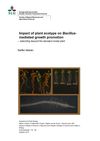 September 2018 in “Epsilon Archive for Student Projects (University of Southampton)”
 Bacillus amyloliquefaciens can boost root hair growth in some Arabidopsis plants, potentially improving agriculture.
 May 2016 in “Cambridge University Press eBooks”
 Eating disorders are serious, often undiagnosed conditions requiring early treatment, with anorexia being the most deadly and binge-eating the most treatable.
 June 2015 in “Biomedical and biopharmaceutical research”
 The congress showed advancements in skin hydration, barrier function, and safe, effective new cosmetic formulations.
 March 2014 in “CRC Press eBooks”
 Some nutrients and antioxidants may improve skin and hair health, but more research is needed to confirm these benefits.

Higher cholesterol levels increase aggressive prostate cancer risk.
 June 2026 in “Frontiers in Marine Science”
 Codium sp. seaweed fractions can enhance skincare and be used for biochar, promoting sustainability.
 June 2026 in “Reports of Morphology”
 A nutrient-rich diet improved skin and hair health in stressed rats.
 June 2026 in “Dermatology and Therapy”
 Combining multiple ingredients is the most effective treatment for hyperpigmentation.
 June 2026 in “Frontiers in Aging”
 Homeodynamic Rejuvenation aims to improve skin's stress management and recovery to combat aging.
 April 2026 in “Journal of Microbiology Biotechnology and Food Sciences”
 Carthamus caeruleus leaves are a good source of natural antioxidants and antibacterial agents.
 April 2026 in “International Journal of Advanced Biochemistry Research”
 Aegle marmelos fruit extract can protect against arsenic toxicity in mice.
 March 2026 in “Food, Nutrition and Health.”
 Collagen peptides may help reduce skin aging by improving elasticity and hydration.