 July 2024 in “Medical alphabet”
 JAK inhibitors like tofacitinib may effectively treat alopecia in children without major side effects.
 70 citations
,
October 2020 in “The journal of allergy and clinical immunology/Journal of allergy and clinical immunology/The journal of allergy and clinical immunology”
70 citations
,
October 2020 in “The journal of allergy and clinical immunology/Journal of allergy and clinical immunology/The journal of allergy and clinical immunology” Janus kinase inhibitors are promising drugs for treating autoimmune and inflammatory diseases.
 1 citations
,
July 2014 in “International Journal of Dermatology”
1 citations
,
July 2014 in “International Journal of Dermatology” A cancer patient developed a type of hair loss after starting a cancer drug called vandetanib.
 April 2026 in “Amino Acids”
 Polyamines are crucial for skin tumor development, and inhibiting them can prevent tumors.
 3 citations
,
May 2023 in “Clinical drug investigation”
3 citations
,
May 2023 in “Clinical drug investigation” JAK inhibitors for alopecia areata are linked to minor side effects like headache and acne, but not to an increased risk of serious adverse events.
 133 citations
,
May 2016 in “Cell Host & Microbe”
133 citations
,
May 2016 in “Cell Host & Microbe” Human dermal fibroblasts are the main cells targeted by a virus that can cause a deadly skin cancer, and a certain inhibitor can effectively block this infection.
April 2018 in “The Journal of Urology” Phosphodiesterase inhibitors like tadalafil can reduce cell growth in BPH caused by CD8+ T cells in low androgen conditions.
5 citations
,
April 2025 in “Journal of Cosmetic Dermatology” Janus kinase inhibitors are effective and safe for treating Alopecia Areata.
 October 2021 in “International journal of basic and clinical pharmacology”
 Excessive eyelash growth from erlotinib may indicate positive tumor response and help treat madarosis.
 January 2026 in “Dermatology Reports”
 Upadacitinib improved symptoms and hair regrowth in a teen with multiple autoimmune conditions.
May 2022 in “The journal of investigative dermatology/Journal of investigative dermatology” Loss of TET2 increases the risk of skin and oral cancer.
 December 2024 in “Frontiers in Pediatrics”
 Baricitinib improved platelet counts and alopecia in a 16-year-old with chronic immune thrombocytopenia.
1 citations
,
March 2021 in “Journal of Investigative Dermatology” Sirolimus can reduce tumor cell size in TSC-related skin tumors, but continuous treatment is needed to maintain benefits.
3 citations
,
November 2024 in “Egyptian Journal of Medical Human Genetics” SGK1 is important in cancer growth and treatment resistance, and targeting it could improve therapies.
August 2023 in “Frontiers in Oncology” New drugs and therapies targeting specific pathways show promise in treating advanced prostate cancer.
1 citations
,
June 2026 in “Dermato” Ritlecitinib is effective for treating alopecia areata, showing significant hair regrowth with mild side effects.
 18 citations
,
April 2011 in “International Journal of Molecular Medicine”
18 citations
,
April 2011 in “International Journal of Molecular Medicine” Dihydrotestosterone causes p27 protein breakdown in ovarian and breast cancer cells by binding with SKP2.
30 citations
,
December 2009 in “The FASEB Journal” Fluphenazine and iloprost can induce hair growth.
 May 2026 in “Journal of Skin and Sexually Transmitted Diseases”
 Upadacitinib effectively treats skin conditions like eczema and psoriasis and is becoming more widely used and affordable.
 February 2026 in “Indian Journal of Dermatology”
 Upadacitinib may effectively treat twenty-nail dystrophy without causing pain.
 July 2025 in “SKIN The Journal of Cutaneous Medicine”
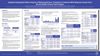
 Ritlecitinib is generally safe for alopecia areata patients over 72 months.
March 2023 in “International Journal of Trichology” A man developed temporary hair loss after taking a cancer drug, which might indicate a better treatment response.
26 citations
,
January 1992 in “Carcinogenesis” TPA strongly increases ODC activity in certain skin cells, potentially aiding tumor growth.
 184 citations
,
February 2015 in “EBioMedicine”
184 citations
,
February 2015 in “EBioMedicine” A patient with Alopecia Areata had complete hair regrowth after using the drug baricitinib.
 November 2024 in “SKIN The Journal of Cutaneous Medicine”
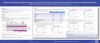
 Ritlecitinib effectively promotes hair regrowth in severe and very severe alopecia areata.
 August 2016 in “Journal of Dermatology”
 A chemical called 5-Bromo-2′-deoxyuridine caused rapid hair loss in mice by killing certain skin cells through a specific cell death pathway.
May 2026 in “Bioorganic Chemistry” 6 citations
,
July 2015 in “JAAD Case Reports” Doxycycline can effectively treat hair loss caused by EGFR inhibitors.
March 2007 in “Journal of Cell Science” K10 may not prevent tumors as previously thought and might increase benign tumor risk.
 3 citations
,
August 2023 in “Drug safety”
3 citations
,
August 2023 in “Drug safety” Proactive monitoring and management are essential to maximize the benefits of Trastuzumab Deruxtecan while minimizing serious side effects.