 12 citations
,
October 2016 in “Anais Brasileiros de Dermatologia”
12 citations
,
October 2016 in “Anais Brasileiros de Dermatologia” Frontal Fibrosing Alopecia may be linked to autoimmune diseases like Sjögren's syndrome.
29 citations
,
June 2016 in “Experimental Dermatology” MCHR2 gene duplications may be linked to alopecia areata.
7 citations
,
March 2024 in “Skin Research and Technology” miR-200c-3p could help diagnose and treat alopecia areata.
3 citations
,
July 2022 in “Brain and Behavior” The HtrA1L364P mutation causes brain dysfunction and blood vessel damage.
15 citations
,
June 2021 in “Medicina” Combined light therapy improves eye health and quality of life for those with meibomian gland dysfunction.
 July 2017 in “International journal of Ayurvedic and herbal medicine”
 Madayantika Siddha Taila is effective for treating Seborrhea capitis.
 3 citations
,
June 2022 in “European journal of human genetics”
3 citations
,
June 2022 in “European journal of human genetics” A new type of pachyonychia congenita linked to a specific keratin gene mutation was found in two Pakistani families.
January 2024 in “SAGE Open Medical Case Reports” The brothers have congenital ichthyosis, and the older brother's eye issues are due to different genetic mutations.
 March 2012 in “Journal of The American Academy of Dermatology”
 Hand-foot-mouth disease may cause nail loss in children.
 23 citations
,
June 2003 in “Journal of Investigative Dermatology Symposium Proceedings”
23 citations
,
June 2003 in “Journal of Investigative Dermatology Symposium Proceedings” Alopecia Areata is an autoimmune disease affecting hair follicles, influenced by genetic and environmental factors, with rodent models being essential for research.
20 citations
,
January 2002 in “Laboratory Animals” Mutations in the hairless gene cause hair loss and skin cysts in rhesus macaques.
5 citations
,
October 2019 in “JAAD Case Reports” These hair loss conditions might be part of a spectrum, not separate issues.
 72 citations
,
November 2012 in “PloS one”
72 citations
,
November 2012 in “PloS one” The protein folliculin, involved in a rare disease, works with another protein to control how cells stick together and their organization, and changes in this interaction can lead to disease symptoms.
20 citations
,
April 2000 in “Experimental dermatology” ODC transgenic mice can model human hair loss with skin lesions.
May 2023 in “bioRxiv (Cold Spring Harbor Laboratory)” The research mapped diverse cell types in mouse lacrimal glands, aiding understanding of gland biology and diseases.
1 citations
,
December 2013 in “Balkan Journal of Medical Genetics” Cystic fibrosis can cause unusual symptoms like hair color changes, which can improve with proper treatment.
June 2013 in “International Journal of Dermatology” Central lipohypertrophy in HIV-infected women may lead to shorter eyelashes.
June 2026 in “Skin Appendage Disorders” Pili annulati may be more common than thought, so recognizing its features is important for diagnosis.
1 citations
,
August 2019 in “Chinese Medical Journal” A man developed facial skin lesions after a stem cell transplant, which improved with specific treatments.
January 2025 in “Journal of College of Physicians And Surgeons Pakistan” Minimally invasive glaucoma surgery can effectively manage glaucoma in GAPO syndrome when other treatments fail.
December 2024 in “Annals of Medicine and Surgery” Early diagnosis of pseudopelade of Brocq in men is crucial to prevent permanent hair loss.
 May 2023 in “Journal of Endocrinology and Reproduction”
 Blocking cholesterol production may help control hair loss in Primary Cicatricial Alopecia by affecting key regulators.
 September 2017 in “The journal of investigative dermatology/Journal of investigative dermatology”
 Human hair follicles have a unique way of using energy and might use the Cori cycle; blocking CCR5 could help treat hair loss.
 October 2020 in “Galen Medical Journal”
 Baldness is linked to a higher risk of coronary artery disease, but not to its severity.
 17 citations
,
June 2011 in “The journal of investigative dermatology/Journal of investigative dermatology”
17 citations
,
June 2011 in “The journal of investigative dermatology/Journal of investigative dermatology” The G60S Connexin43 mutation causes hair growth issues and poor hair quality in mice, similar to human ODDD patients.
29 citations
,
June 2010 in “The Journal of Dermatology” Infants with severe KID syndrome may be more prone to serious infections and need close monitoring.
May 2025 in “Preprints.org” Unique microRNA patterns can help diagnose and treat severe alopecia areata.
 4 citations
,
January 2009 in “Acta agriculturae Serbica”
4 citations
,
January 2009 in “Acta agriculturae Serbica” Selenium imbalance can cause hair loss and skin issues.
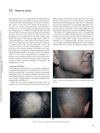 April 2012 in “Informa Healthcare eBooks”
 Alopecia areata is a common autoimmune condition causing varying hair loss, diagnosed by specific patterns of inflammation around hair follicles, with several treatment options available.