November 2025 in “PLoS ONE” Nucleic acids trigger chemokine production in skin cells, affecting skin inflammation.
2 citations
,
January 2018 in “Open journal of stomatology” Tongue cancer cells show more plectin-1 than non-cancer cells, but both have similar levels of trichohyalin.
 93 citations
,
June 2011 in “Journal of Neuroscience”
93 citations
,
June 2011 in “Journal of Neuroscience” p63 is essential for activating and differentiating stem cells in the nose's olfactory tissue.
8 citations
,
September 2020 in “Genes & Genomics” January 2026 in “Current Issues in Molecular Biology” miR-5110 affects alpaca pigmentation by altering specific gene expressions.
A new genetic mutation was found causing hair and eye issues in a boy.
 93 citations
,
May 2010 in “European Journal of Cancer”
93 citations
,
May 2010 in “European Journal of Cancer” BI 2536 had limited effectiveness against several advanced cancers and caused significant side effects.
5 citations
,
December 2014 in “Molecular cytogenetics” A specific genetic change is linked to mental disorders, intellectual disability, and possibly autoimmune disease in a family.
 July 2024 in “Experimental Dermatology”
 AP collagen peptides help hair grow and improve hair health.

Understanding genetics is crucial for treating heart and skin diseases.
1 citations
,
September 2019 in “Journal of Investigative Dermatology” Anti-Desmocollin 3 antibodies can cause pemphigus-like symptoms in mice.
January 2026 in “PLoS Biology” ARHGEF3 is essential for proper hair follicle development in mice.
39 citations
,
November 2005 in “The journal of investigative dermatology/Journal of investigative dermatology” Fatp4 is crucial for healthy skin development and function.
36 citations
,
November 2005 in “Forensic Science International” BioPlex-11 improves DNA profiling from telogen hair roots in forensic work.
1 citations
,
January 2012 The CRABP I gene in cashmere goats is highly conserved but has unique features at specific amino sites.
73 citations
,
November 2000 in “Proceedings of the National Academy of Sciences of the United States of America” There are two ways to start hair growth: one needs Stat3 and the other does not, but both need PI3K activation.
 84 citations
,
December 2018 in “Genetics in Medicine”
84 citations
,
December 2018 in “Genetics in Medicine” Pegvaliase is recommended for treating adults with phenylketonuria.
 5 citations
,
December 2021 in “Frontiers in Cell and Developmental Biology”
5 citations
,
December 2021 in “Frontiers in Cell and Developmental Biology” Enzymes called PADIs play a key role in hair growth and loss.
 September 2023 in “Nature communications”
 Alk1 in specific cells is crucial for proper nerve branching and hair function.
78 citations
,
May 2012 in “Journal of Investigative Dermatology” A specific gene mutation causes woolly hair and hair loss.
November 2025 in “Сибирский научный медицинский журнал” TS-13 speeds up hair regrowth after chemotherapy.
 51 citations
,
February 2009 in “Journal of dermatological science”
51 citations
,
February 2009 in “Journal of dermatological science” Pitx2 helps outer root sheath cells differentiate but can't start hair growth on its own.
 77 citations
,
April 2009 in “British Journal of Dermatology”
77 citations
,
April 2009 in “British Journal of Dermatology” Aromatase gene variation may increase female hair loss risk.

CaBP1 and 2 are important for maintaining the activity of calcium channels necessary for hearing in inner ear cells.
 April 2023 in “Journal of Investigative Dermatology”
 PX-12 may help treat psoriasis by blocking inflammation and cell death.
15 citations
,
June 2020 in “Processes” CMX from Centipeda minima can significantly improve hair growth in mild to moderate balding.
April 1996 in “Journal of Dermatological Science” 8 citations
,
January 2017 in “Korean Journal of Physiology and Pharmacology” Pimecrolimus boosts melanin production and movement of skin pigment cells.
2 citations
,
July 2025 in “Acta Pharmacologica Sinica” Isoginkgetin reduces inflammation in cells by blocking NF-κB activation.
 11 citations
,
September 2011 in “British Journal of Dermatology”
11 citations
,
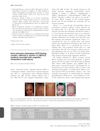
September 2011 in “British Journal of Dermatology” New ABCA12 gene mutations were linked to a skin condition with scaling and hair loss, and a treatment helped with hair loss in a related case.