Search
for
Sort by
Research
420-450 / 1000+ results
research New possibilities extemporaneous preparation in dermatology - innovative foam base Espumil
Espumil foam base allows easy preparation of skin medications for hairy areas.

research Compatibility of 17-α-Estradiol, Betamethasone, Finasteride, Melatonin, Prednicarbate, and Spironolactone in TrichoFoam™ - a Foaming Vehicle for Personalized Alopecia Treatments.
TrichoFoam™ effectively delivers multiple hair loss treatments, maintaining their stability and effectiveness.
research Dovobet ointment under occlusion overnight for troublesome scalp psoriasis
Dovobet ointment used overnight effectively reduces scalp psoriasis severity and itch.
research Cortexolone 17a-propionate: Preclinical profile of a new topical, skin selective, steroidal antiandrogen
Clofazimine may be effective for treating ashy dermatosis.
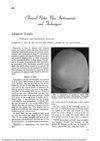
research Alopecia Totalis
A woman regrew her hair significantly using a corticosteroid cream with a plastic cover.
research COMPARATIVE THERAPEUTIC EFFECTS OF ISOLATED THYMOL FROM ORIGANUM MARJORAM ESSENTIAL OIL VERSUS BETAMETHASONE IN CYCLOPHOSPHAMIDE-INDUCED ALOPECIA AREATA IN RABBITS
Thymol is a promising natural treatment for hair regrowth and inflammation in alopecia areata, performing better than betamethasone.
research Clascoterone Cream 1% in Acne Management: Case Series and Real-World Canadian Experience
Clascoterone cream 1% is effective and well-tolerated for treating acne and other related conditions.
research COMPARISON OF EFFECTIVENESS OF TOPICAL TACROLIMUS AND BETAMETHASONE WITH SOFT PARAFFIN IN THE TREATMENT OF PATCHY ALOPECIA AREATA
Betamethasone is more effective than Tacrolimus and soft paraffin for hair regrowth in patchy alopecia areata.
research A Phase 1 Study to Investigate the Effects of Cortexolone 17α‐Propionate, Also Known as Clascoterone, on the QT Interval Using the Meal Effect to Demonstrate ECG Assay Sensitivity
Clascoterone is safe for the heart, even at high doses.
research A summary of in vitro, phase I, and phase II studies evaluating the mechanism of action, safety, and efficacy of clascoterone (cortexolone 17a propionate, CB-03-01) in androgenetic alopecia
Clascoterone safely promotes hair growth similar to minoxidil.

research Topical tofacitinib for patients with lichen planopilaris and/or frontal fibrosing alopecia
Topical tofacitinib cream may help treat certain hair loss conditions with fewer risks.
research Twice weekly 5 mg betamethasone oral pulse therapy in the treatment of alopecia areata
Twice-weekly 5 mg betamethasone helps hair regrowth in alopecia areata.

research Topical Bimatoprost (0.03%) Versus Topical Mometasone Furoate (0.1%) in Treatment of Alopecia Areata
Mometasone furoate cream was more effective than bimatoprost solution for treating hair loss from Alopecia Areata.
research Trichoscopic evaluation in oral tofacitinib and oral betamethasone in the treatment of moderate to severe alopecia areata
Oral betamethasone works faster than oral tofacitinib for hair regrowth in alopecia areata.

research Cortexolone 17α-Propionate (Clascoterone) is an Androgen Receptor Antagonist in Dermal Papilla Cells In Vitro
Clascoterone may be an effective topical treatment for hair loss.

research Biological Profile of Cortexolone 17a-Propionate (CB-03-01), a New Topical and Peripherally Selective Androgen Antagonist
CB-03-01 is a promising skin cream for treating hormone-related skin problems without causing harmful body-wide effects.
research Tacrolimus in Solution as an Option to Inflammatory Conditions of the Scalp
Tacrolimus solution is effective and well-tolerated for treating inflammatory scalp conditions.
research Betamethasone valerate/minoxidil/tretinoin
The combination of tretinoin, minoxidil, and betamethasone valerate may cause severe scalp inflammation.

research Real-World Experience of Clascoterone Cream 1% in Acne Management: Case Series and Canadian Experience
Clascoterone cream effectively reduces acne severity and is safe for patients 12 and older.

research Bimatoprost versus Mometasone Furoate in the Treatment of Scalp Alopecia Areata: A Pilot Study
Bimatoprost was found to be safer and more effective than mometasone furoate for treating scalp hair loss.
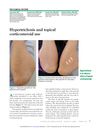
research Hypertrichosis and topical corticosteroid use
Prolonged use of topical corticosteroids can cause excessive hair growth.
research Adherence to topical hydrocortisone 17-butyrate 0.1% in different vehicles in adults with atopic dermatitis
Adults with atopic dermatitis showed similar adherence to different forms of hydrocortisone cream, but actual use varied despite self-reports of near-perfect usage.
research Calcitriol ointment in the treatment of facial, hairline and retroauricular chronic plaque psoriasis
The ointment is a safe, effective, and well-tolerated treatment for certain types of psoriasis.
research Tacrolimus ointment: summarizing two decades of experience in off-label use. Use in rosacea, seborrheic dermatitis, papulosquamous dermatoses, lupus erythematosus, eczematous dermatoses, alopecia, and other diseases
Tacrolimus ointment is effective for various skin conditions but needs more research for long-term effects.

research Topical 15% Lactic Acid Solution versus Topical Betamethasone Valerate lotion in Treatment of Multiple patchy alopecia aerate.
Betamethasone valerate lotion is more effective for treating multiple patchy alopecia areata.
research A CLINICAL STUDY OF ALOPECIA AREATA AND TO EVALUAT E OF THE EFFICACY OF 0.03% TOPICAL TACROLIMUS IN ITS TREATMENT
Topical tacrolimus is effective and safe for treating alopecia areata.
research Comparative Evaluation of Topical Betamethasone Dipropionate Lotion 0.05% versus its Combination with Intralesional Triamcinolone Acetonide Injection in Alopecia Areata: A Randomised Controlled Trial
Combining injections with lotion is more effective for hair regrowth in alopecia areata than using the lotion alone.

research Clascoterone: a new topical antiandrogen agent.
Clascoterone is a promising topical treatment for hair loss and acne with fewer side effects.
research Stem Cells in the Hair Follicle and Interfollicular Epidermis of Mice following Topical Application of Fluocinolone Acetonide
Fluocinolone acetonide slows down hair follicle stem cells but speeds up skin cell growth in mice.