 May 2015 in “Journal of The American Academy of Dermatology”
 Both treatments help with hair regrowth in alopecia areata, but azathioprine has milder side effects than betamethasone.
 June 2023 in “Dermatology and Therapy”
 Using fractional CO2 laser with halometasone cream works better for chronic hand eczema than just the cream, improving symptoms and quality of life with fewer relapses.
February 2024 in “Al-Azhar International Medical Journal /Al-Azhar International Medical Journal” Betamethasone lotion works better for patchy hair loss.
18 citations
,
March 2010 in “Gynecologic and obstetric investigation” The oral contraceptive alone is the preferred treatment for hirsutism, as adding the GnRH analog showed no significant benefit.
15 citations
,
August 2002 in “British Journal of Ophthalmology” Intralesional cidofovir might be a viable alternative treatment for certain conditions.
February 2025 in “Canadian Journal of Health Technologies” Baricitinib is effective and cost-efficient for treating severe alopecia areata in adults.
 November 2007 in “Neuro-chirurgie/Neurochirurgie”
 Cyproterone acetate is a safe treatment that causes mild feminizing effects and is more effective with added estrogens.
 4 citations
,
September 2011 in “American Journal of Clinical Dermatology”
4 citations
,
September 2011 in “American Journal of Clinical Dermatology” Ethinylestradiol/chlormadinone acetate may be an effective and well-tolerated treatment for skin conditions caused by excess androgens.
9 citations
,
December 1977 in “Archives of Dermatology” Systemic steroids can effectively treat alopecia areata with manageable side effects.
 January 2021 in “Anais do Congresso Brasileiro de Reumatologia 2020”
 Tofacitinib improved arthritis and partially improved hair loss in a lupus patient without side effects.
1 citations
,
May 2021 in “Journal of the Endocrine Society” A woman developed Cushing syndrome and adrenal insufficiency from using fluticasone and ritonavir together.
 March 2022 in “International Journal of Trichology”
 Tofacitinib may be effective for treating hair loss caused by alopecia areata that doesn't respond to other treatments.
 July 2013 in “Our Dermatology Online”
 Oral methylprednisolone pulse therapy helped an 11-year-old regrow 80% of his hair in six months.
16 citations
,
March 2022 in “Journal of Clinical Medicine” Dexamethasone mini-pulse therapy is effective for alopecia areata but less effective for those with early onset or hypothyroidism.
78 citations
,
October 2003 in “Cochrane library” Cyproterone acetate with estradiol may subjectively improve excessive hair growth in women, but it's not clinically better than other treatments.
3 citations
,
January 2011 in “Yearbook of Dermatology and Dermatologic Surgery”  October 2023 in “Naunyn-Schmiedeberg's Archives of Pharmacology”
 Custom software found that common allergy drugs might have new uses for various conditions and could improve survival in some cancers.
 July 1988 in “Journal of The American Academy of Dermatology”
 Various dermatologic treatments were effective for skin conditions like acne, rosacea, hair loss, and psoriasis from December 1986 to December 1987.
 37 citations
,
January 2010 in “International Journal of Trichology”
37 citations
,
January 2010 in “International Journal of Trichology” Bimatoprost helped eyelash growth in nearly half of the patients with a type of eyelash hair loss.
July 2024 in “Journal of Controlled Release” Nanostructured lipid carriers effectively deliver tofacitinib to hair follicles, reversing hair loss in alopecia areata.
12 citations
,
September 2012 in “Pediatric Dermatology” The boy's skin condition improved significantly with a specific ointment after other treatments showed only mild results.
July 2025 in “Journal of Investigative Dermatology” Breezula® may be more effective than Minoxidil in promoting hair growth by reducing a hair growth inhibitor.
April 2026 in “Meditsinskiy sovet = Medical Council” Tofacitinib and baricitinib are similarly effective and safe for alopecia areata, but baricitinib works faster.
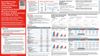 November 2025 in “SKIN The Journal of Cutaneous Medicine”
 Baricitinib works better in adolescents than adults for treating severe alopecia areata.
Baricitinib helps keep hair, eyebrows, and eyelashes regrown for 3 years in most people with severe hair loss.
 2 citations
,
April 2025 in “Lasers in Medical Science”
2 citations
,
April 2025 in “Lasers in Medical Science” Combining fractional CO2 laser with halometasone cream is more effective for chronic eczema than the cream alone.
September 2023 in “Journal of the American Academy of Dermatology” CTP-543 significantly improved eyebrow and eyelash regrowth and patient satisfaction in adults with alopecia areata.
1 citations
,
December 2025 in “Journal of the American Academy of Dermatology”  November 2025 in “Archives of Dermatological Research”
 Using a higher concentration of triamcinolone acetonide leads to faster hair regrowth in scalp patchy alopecia areata.