 April 2023 in “Expert opinion on pharmacotherapy”
 Birth control pills and antiandrogens are the most effective medicines for excessive body hair in women, but combining them with other treatments and psychological support is best.
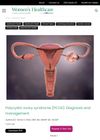 September 2022 in “Women's healthcare”
 PCOS is managed by lifestyle changes and personalized medication to improve symptoms and fertility.
May 2021 in “Journal of the Endocrine Society” Adolescents with PCOS have higher levels of certain androgens, which are linked to hair growth but don't help diagnose PCOS better than testosterone levels.
June 2015 in “Obstetrics, gynaecology and reproductive medicine” Hirsutism, excessive hair growth in women, is often caused by polycystic ovarian syndrome and is treated by targeting the cause, lifestyle changes, and medication.
11-oxyandrogens are linked to excess hair growth in PCOS, but don't help diagnose it.
 March 2026 in “Anti-Aging Eastern Europe”
 PCOS treatment should be personalized based on individual symptoms and health goals.
 November 2025 in “Cureus”
 PCOS-related acne can be managed by targeting hormones and insulin resistance.
PCOS management involves medication, lifestyle changes, and personalized treatment to address symptoms and improve health.
 January 2025 in “Dermatology and Therapy”
 Hormonal therapies effectively treat acne and improve quality of life.
COCs often cause nausea, vomiting, and hair loss, while Depo-Provera is linked to weight gain.
 November 2020 in “Elsevier eBooks”
 Antiandrogens and androgen inhibitors like spironolactone, finasteride, and dutasteride can treat hair loss and skin conditions, but they have risks and side effects, including potential harm to pregnant women and risks of cancer and heart issues. Herbal remedies also have antiandrogenic effects but lack safety validation.
 May 2019 in “Paediatrics and child health”
 The document concludes that personalized treatment, including lifestyle changes and medication, is essential for managing PCOS in teenagers, while also addressing their psychological well-being.
PCOS is a common hormonal disorder with symptoms like irregular periods and excess hair growth, managed with lifestyle changes and medications.
June 2026 in “JOURNAL of QASSIM UNIVERSITY FOR SCIENCE” PCOS is mainly caused by insulin resistance and can be managed with lifestyle changes, exercise, weight loss, and medications.
 June 2026 in “Quality in Sport”
 Treating hirsutism and acne in women with PCOS needs a personalized approach using oral contraceptives, antiandrogens, and sometimes metformin.
 December 2025 in “Editora Pasteur eBooks”
 A combined medical and aesthetic approach is crucial for effectively managing PCOS and its skin-related issues.
June 2025 in “Medicine theory and practice” Combined oral contraceptives and antiandrogens are effective for treating PCOS symptoms in older women.
April 2025 in “The American journal of patient health info.” PCOS affects many women, causing hormonal issues and health risks, but can be managed with lifestyle changes and medication.
April 2025 in “The Obstetrician & Gynaecologist” Hirsutism is managed by assessing testosterone levels and using oral contraceptives, with ethical considerations on treatment access.
 February 2025 in “Journal of Neonatal Surgery”
 Non-surgical treatments can significantly reduce keloids in children, with combination therapies being safer and more effective.
 April 2021 in “Interciencia médica”
 PCOS is a common condition in women that causes various symptoms and health issues, treatable with lifestyle changes and medication.
January 2021 in “Voprosy ginekologii akušerstva i perinatologii” Effective management of hyperandrogenism in young women requires accurate diagnosis and tailored treatment.
 November 2020 in “TURKDERM”
 Hormonal treatments effectively manage acne in some women, especially with specific hormonal issues.
October 2019 in “DOAJ (DOAJ: Directory of Open Access Journals)” Menopausal acne is mainly caused by hormonal changes and can be managed with topical treatments, lifestyle changes, and sometimes medication.
August 2019 in “Repozitorij Farmaceutsko-biokemijskog fakulteta (Sveučilišta u Zagrebu)” PCOS treatment combines lifestyle changes and medication to manage symptoms and improve quality of life.
August 2019 in “Repozitorij Farmaceutsko-biokemijskog fakulteta (Sveučilišta u Zagrebu)” PCOS treatment combines lifestyle changes and medication to manage symptoms and reduce health risks.
 January 2011 in “Kazan medical journal”
 Both finasteride and drospirenone effectively manage PCOS symptoms, but drospirenone is more effective in reducing ovarian volume and androgen levels.
January 2011 in “Practical medicine” Both finasteride and drospirenone treatments improved symptoms and increased pregnancy rates in women with polycystic ovary syndrome.
 November 2023 in “L'Endocrinologo”
 Women with PCOS are more likely to experience sexual dysfunction, but lifestyle changes and weight loss can improve sexual function.
 April 2023 in “Elsevier eBooks”
 PCOS is a common and costly condition in North American women, causing various health issues like obesity, diabetes, and fertility problems.