1 citations
,
January 2023 in “Science Advances” The skin's microbiome helps hair regrow by boosting certain cell signals and metabolism.
 65 citations
,
October 2018 in “Frontiers in cellular and infection microbiology”
65 citations
,
October 2018 in “Frontiers in cellular and infection microbiology” Certain bacteria and fungi are linked to healthy scalps and dandruff, suggesting that the scalp's microbial balance affects its health.
July 2022 in “Journal of Investigative Dermatology” Skin bacteria help hair regrow by boosting cell metabolism.
14 citations
,
January 2024 in “Burns & Trauma” Calvatia gigantea extract speeds up diabetic wound healing.
365 citations
,
November 2018 in “Journal of Allergy and Clinical Immunology” People with atopic dermatitis have different skin bacteria, and targeting these bacteria might help treat the condition.
 8 citations
,
October 2022 in “Cold Spring Harbor perspectives in biology”
8 citations
,
October 2022 in “Cold Spring Harbor perspectives in biology” The document concludes that better understanding the wound microbiome can improve chronic wound care by preserving helpful bacteria and targeting harmful ones.
 134 citations
,
January 2019 in “American journal of clinical dermatology”
134 citations
,
January 2019 in “American journal of clinical dermatology” Antibiotics can reduce acne but may lead to resistant bacteria, and understanding the skin's bacteria is important for treatment.
8 citations
,
August 2015 in “Experimental Dermatology” Hidradenitis suppurativa may involve gut and oral bacteria, suggesting targeted treatments could help.
1 citations
,
July 2025 in “Barrier Immunity” A holistic approach is crucial for treating skin disorders and restoring barrier function.
December 2025 in “Cosmetics” Gut bacteria differences could help diagnose and treat alopecia areata.
October 2025 in “Burns & Trauma” Engineered probiotics can help heal wounds faster, especially in diabetic foot ulcers.
July 2025 in “Journal of Investigative Dermatology” Reduced AhR signaling in HS tunnels leads to persistent inflammation and microbial imbalance.
8 citations
,
February 2025 in “Cell Systems” Engineered bacteria can deliver antioxidants to protect skin.
2 citations
,
October 2025 in “ACS Infectious Diseases” The microbiome helps reduce inflammation after infections, but how it does this is not fully understood.
April 2023 in “Journal of Investigative Dermatology” Staphylococcus epidermidis affects hair growth and metabolism, suggesting it could help manage hair growth issues.
181 citations
,
January 2019 in “Cell” Innate lymphoid cells help control skin bacteria by regulating sebaceous glands.
Changes in skin bacteria can affect hair loss and new treatments targeting these bacteria may prevent balding without sexual side effects.
April 2026 in “Clinical Cosmetic and Investigational Dermatology” Androgenetic alopecia involves a fungal imbalance in hair follicles, suggesting potential for microbiome-targeted treatments.
 47 citations
,
September 2023 in “Pharmacological Reports”
47 citations
,
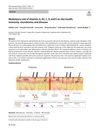
September 2023 in “Pharmacological Reports” Vitamins A, B3, C, D, and E can improve skin health and immunity.
 2 citations
,
December 2011 in “Annales de Dermatologie et de Vénéréologie”
2 citations
,
December 2011 in “Annales de Dermatologie et de Vénéréologie” 2011 dermatological research found new skin aging markers, hair loss causes, skin defense mechanisms, and potential for new treatments.
 February 2026 in “Frontiers in Microbiology”
 Skin bacteria help heal wounds and restore healthy skin.
 192 citations
,
March 2017 in “Cell host & microbe”
192 citations
,
March 2017 in “Cell host & microbe” Hair follicle development and microbes help regulatory T cells gather in newborn skin.
 11 citations
,
February 2021 in “Biomedicines”
11 citations
,
February 2021 in “Biomedicines” Bacteria in our hair can affect its health and growth, and studying these bacteria could help us understand hair diseases better.
 March 2021 in “Actas Dermo-Sifiliográficas”
 The microbiome may be linked to hair loss and could be a target for new treatments.
 2 citations
,
November 2023 in “Frontiers in microbiology”
2 citations
,
November 2023 in “Frontiers in microbiology” The health of the gut may be important in developing new ways to prevent, diagnose, and treat alopecia areata.
 July 2026 in “Frontiers in Cellular and Infection Microbiology”
 Staphylococcus levels may indicate hair loss in men and could help develop new treatments.
 February 2026 in “International Journal of Web of Multidisciplinary Studies”
 Restoring microbial balance and using exosome therapies may help treat hair disorders like alopecia and acne.
 April 2024 in “Frontiers in cellular and infection microbiology”
 Blue light might help treat skin conditions by affecting the skin's bacteria.
 September 2023 in “Clinical, cosmetic and investigational dermatology”
 SLFC can improve scalp health and reduce sensitive scalp symptoms.
 47 citations
,
March 2022 in “Frontiers in cellular and infection microbiology”
47 citations
,
March 2022 in “Frontiers in cellular and infection microbiology” Changes in skin microbes play a role in some skin diseases and could lead to new treatments.