 2 citations
,
August 2019 in “Journal of skin and stem cell”
2 citations
,
August 2019 in “Journal of skin and stem cell” The study concludes that regulating apoptosis could lead to new treatments for various skin and hair conditions.
2 citations
,
January 2010 1 citations
,
November 2025 in “Aging Cell” EDA2R is a key gene linked to ageing and diseases, and targeting it may help treat conditions like hair loss and chronic diseases.
1 citations
,
January 2025 in “JAAD reviews.” Hypertrichosis involves excessive hair growth and needs careful diagnosis and treatment, considering its psychological effects.
1 citations
,
January 2025 in “Advances in Wound Care” Dermal sheath cells help heal wounds by showing both skin and connective tissue traits.
1 citations
,
August 2024 in “Cosmetics” Melasma treatment is difficult, but combination therapies and personalized plans show promise.
1 citations
,
May 2024 in “Human Genomics” Polygenic risk scores can predict the risk and outcomes of benign prostatic hyperplasia.
1 citations
,
April 2024 in “JAAD International” Adults with alopecia areata stick to their medication better than those with atopic dermatitis.
 1 citations
,
March 2024 in “Science”
1 citations
,
March 2024 in “Science” Vitamin A helps skin stem cells decide their function, aiding in hair growth and wound repair.
1 citations
,
September 2023 in “International Journal of Women’s Dermatology” Dermatologists are crucial in providing personalized care for patients with sex development differences.
1 citations
,
May 2023 in “Frontiers in Pharmacology” Genetic screening for NUDT15 polymorphisms is crucial for patients taking azathioprine, especially in Asians.
1 citations
,
August 2022 in “Frontiers in Medicine” ALRV5XR effectively promotes hair regrowth in both men and women through different mechanisms.
 1 citations
,
October 2020 in “Journal of Investigative Dermatology Symposium Proceedings”
1 citations
,
October 2020 in “Journal of Investigative Dermatology Symposium Proceedings” The summit concluded that new treatments like Jak inhibitors show promise for Alopecia Areata and personalized approaches are needed.
 June 2026 in “Frontiers in Medicine”
 Hair-loss trials have increased, but need more diverse participants and standardized measures.
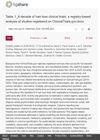
More hair-loss studies are needed with standardized outcomes and diverse participants.

The supplement may reduce hair shedding but needs more research for skin benefits.
 April 2026 in “Diagnostics”
 Skin changes in obesity can indicate metabolic issues but aren't reliable for assessing risk or monitoring treatment.
 April 2026 in “Indian Journal of Dermatology”
 PRP and IT are equally effective for treating localized alopecia areata, but PRP causes more pain and bleeding.
 February 2026 in “International Journal of Molecular Sciences”
 New biological pathways and potential treatment targets for male pattern baldness were identified.
February 2026 in “Clinical Traditional Medicine and Pharmacology” Both Unani treatments effectively reduced hair shedding in Telogen Effluvium.
January 2026 in “Metabolites” Obesity may weaken the immune system and increase cancer risk.
January 2026 in “International Journal of Molecular Sciences” Hedgehog pathway inhibitors could be effective in treating melanoma.
December 2025 in “Pharmaceutics” Personalized skin rejuvenation using genomics shows promise but needs more research.
November 2025 in “Preprints.org” The gel effectively reduced folliculitis symptoms and was safe to use.
September 2025 in “Science Advances” PADI4 enzyme slows down cell growth in developing hair follicles.
September 2025 in “Cosmetics” Genetic profiling can improve androgenetic alopecia treatment by predicting drug response and minimizing side effects.
August 2025 in “BMC Research Notes” iPSC lines from different tissues share a common miRNA profile, supporting their pluripotent nature.

Biotin and silica from plants improve hair, skin, and nail health.
 July 2025 in “Journal of Dermatological Treatment”
 PRP improves hair growth in androgenic alopecia, especially when combined with minoxidil.

Polygonum multiflorum may help treat hair loss but can be toxic to the liver.