1 citations
,
July 2025 in “Stem Cell Research & Therapy” Stem cell technology may improve hair loss treatments by providing more effective and personalized options.
January 2026 in “Journal of Aesthetic Nursing” Combining PRP, light therapy, and microneedling can significantly regrow hair in severe alopecia cases.
 July 2025 in “Journal of the European Academy of Dermatology and Venereology”
 A new treatment plan helps manage folliculitis decalvans effectively.
Fire needle therapy's benefits and safety for alopecia areata need more evidence.
 March 2014 in “Journal of The American Academy of Dermatology”
 Azathioprine may be an effective treatment for severe hair loss.
1 citations
,
June 2023 in “Journal of Patchouli and Essential Oil Products” Patchouli essential oil may help reduce eczema symptoms in infants and toddlers.
December 2018 in “UNIFESP Institutional Repository (Universidade Federal de São Paulo)” Minoxidil 5% helps with patchy alopecia areata, but more research is needed.
30 citations
,
August 1998 in “International Journal of Dermatology” Systemic corticosteroids don't prevent severe alopecia areata from spreading or relapsing.
26 citations
,
April 2023 in “Medicina” Platelet-rich plasma therapy improves oral lichen planus symptoms with few side effects.
April 2023 in “Journal of Investigative Dermatology” Increased TEMRA cells can predict treatment outcomes in rapidly progressive alopecia areata.
 12 citations
,
June 2005 in “Journal of the European Academy of Dermatology and Venereology”
12 citations
,
June 2005 in “Journal of the European Academy of Dermatology and Venereology” A man with HIV developed skin and hair issues after starting HIV treatment, which improved with topical treatment.
 4 citations
,
September 2018 in “The Journal of Dermatology”
4 citations
,
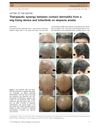
September 2018 in “The Journal of Dermatology” A man's hair regrew from alopecia areata after using tofacitinib and experiencing contact dermatitis from a wig device.
Antimalarial agents are effective for LPP, and intralesional steroids are effective for FFA.
New treatments for skin diseases in 1979 showed promising results with fewer side effects.
35 citations
,
April 2024 in “Life” Bee venom, fig, and geranium oil can effectively treat skin conditions and are safer alternatives to some conventional drugs.
Combining baricitinib with golimumab helped regrow hair in a patient with ankylosing spondylitis and alopecia areata.
January 2026 in “Saudi Journal of Internal Medicine” More research is needed to confirm the best treatments for ophiasis-pattern alopecia areata in different age groups.
 April 2023 in “Revista colombiana de reumatología”
 JAK inhibitors like tofacitinib can effectively treat severe alopecia areata.
2 citations
,
January 2010 in “PubMed” Current treatments for postmenopausal frontal fibrosing alopecia stop hair loss but don't regrow hair.
February 2026 in “International Journal of Clinical Dermatology” Alopecia areata in children shows varied forms and treatment challenges, with some achieving full or partial hair regrowth.
8 citations
,
July 2018 in “The Journal of Dermatology” Current corticosteroid pulse therapy is not very effective for severe rapidly progressive alopecia areata.
Baricitinib is effective for Alopecia Areata but requires careful patient history evaluation.
 10 citations
,
February 2011 in “Journal der Deutschen Dermatologischen Gesellschaft”
10 citations
,
February 2011 in “Journal der Deutschen Dermatologischen Gesellschaft” The document concludes that proper diagnosis and evidence-based treatments are crucial for managing hair diseases, and psychological support for patients is important.
May 2026 in “JDDG Journal der Deutschen Dermatologischen Gesellschaft” Use topical corticosteroids for alopecia areata, consider systemic treatments like corticosteroids or JAK inhibitors for severe cases, and inform about cosmetic options.
December 2025 in “Indian Dermatology Online Journal” Improved diagnosis and affordable topical treatments are essential for managing alopecia areata in India.
10 citations
,
January 2018 in “International Journal of Trichology” Mesalazine may help treat extensive alopecia areata effectively.
2 citations
,
December 2015 in “DOAJ (DOAJ: Directory of Open Access Journals)” Targeted anticancer therapies often cause skin issues, affecting treatment adherence and quality of life.
A 21-year-old with lichen planopilaris was successfully treated, stopping disease progression and preventing crusts.
Baricitinib may not always prevent relapse in alopecia areata.
 November 2023 in “The journal of investigative dermatology/Journal of investigative dermatology”
 Early treatment and multidisciplinary care are key to managing Frontal Fibrosing Alopecia and preventing further hair loss.