12 citations
,
December 2010 in “Journal of thoracic oncology” New treatments for non-small cell lung cancer are being tested, with some already in use, focusing on immune response and targeting cancer cells, but side effects vary.
9 citations
,
November 2024 in “Journal of Wound Management Official journal of the European Wound Management Association” Cold Plasma shows promise for healing wounds by killing bacteria and helping tissue grow.
9 citations
,
July 2024 in “JAAD reviews.” Extracellular vesicles show potential in dermatology, but more research is needed for validation.
8 citations
,
May 2024 in “Advanced NanoBiomed Research” Nanocarriers can improve skin drug delivery but face challenges in clinical use.
8 citations
,
October 2022 in “Journal of Mind and Medical Sciences” Reducing accidents and treating vascular diseases can lower the need for life-impacting amputations.
 8 citations
,
July 2022 in “Biomedicines”
8 citations
,
July 2022 in “Biomedicines” Autophagy helps keep skin healthy and may improve treatments for skin diseases.
5 citations
,
May 2023 in “Frontiers in Immunology” Advanced imaging methods have improved understanding of cancer cell interactions and treatment strategies.
4 citations
,
July 2025 in “International Journal of Molecular Sciences” Targeting amphiregulin may improve treatment for fibrosis and cancer.
4 citations
,
July 2025 in “Frontiers in Pharmacology” Cooling with antioxidants helps protect hair during chemotherapy.
4 citations
,
February 2023 in “Frontiers in Oncology” Nano-Pulse Stimulation™ Therapy is more effective and less damaging than cryoablation for treating melanoma tumors in mice.
3 citations
,
June 2023 in “Molecules/Molecules online/Molecules annual” Cepharanthine has many medicinal uses but needs improvement for better effectiveness.
 3 citations
,
June 2023 in “The journal of investigative dermatology/Journal of investigative dermatology”
3 citations
,
June 2023 in “The journal of investigative dermatology/Journal of investigative dermatology” The conclusion suggests that focusing on certain cellular pathways may improve the prevention and repair of hair loss caused by radiotherapy.
 3 citations
,
October 2022 in “Frontiers in Surgery”
3 citations
,
October 2022 in “Frontiers in Surgery” Proteomics combined with other technologies can lead to a better understanding of skin diseases.
 3 citations
,
June 2021 in “Clinical, Cosmetic and Investigational Dermatology”
3 citations
,
June 2021 in “Clinical, Cosmetic and Investigational Dermatology” Dermoscopy is an effective tool for accurately detecting skin cancers.
2 citations
,
June 2024 in “JAAD reviews.” Some drugs can cause permanent hair loss, though it's rare.
 2 citations
,
January 2023 in “Journal of Clinical Medicine”
2 citations
,
January 2023 in “Journal of Clinical Medicine” People with hair loss conditions may also have thyroid disorders, but more research is needed to understand the connection.
 1 citations
,
June 2025 in “American Journal of Clinical Dermatology”
1 citations
,
June 2025 in “American Journal of Clinical Dermatology” Scalp cooling and minoxidil can help manage hair loss in children with cancer, but more research is needed.
1 citations
,
May 2025 in “BMC Cancer” CDK4/6 inhibitors affect safety and quality of life differently, requiring careful use.
 April 2026 in “The Open Biotechnology Journal”
 Resveratrol shows health benefits but faces challenges in effectiveness and regulation.
October 2025 in “Preprints.org” Adipose mesenchymal stem cells are best for skincare because they reduce inflammation and are safe and effective.
August 2025 in “Therapeutics” Low-dose DMSO may help treat castration-resistant prostate cancer by reducing key cancer cell receptors.
 April 2025 in “Diagnostics”
 Managing inflammation and using vitamins can improve PRP therapy for better hair growth.
 November 2024 in “Journal of Clinical Medicine”
 The treatment improved hair thickness, shine, and reduced hair loss effectively.
 August 2024 in “International Journal of Molecular Sciences”
 Androgenetic alopecia involves immune cell disruptions, especially increased CD4+ T cells around hair follicles.
December 2023 in “Indian Journal of Endocrinology and Metabolism” Early diagnosis, genetic testing, and innovative treatments are crucial for managing complex medical conditions.
 July 2023 in “Stem Cells Translational Medicine”
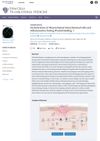
 Mesenchymal Stem/Stromal Cells (MSCs) help in wound healing and tissue regeneration, but can also contribute to tumor growth. They show promise in treating chronic wounds and certain burns, but their full healing mechanisms and potential challenges need further exploration.
September 2006 in “Experimental Dermatology” Targeting multiple pathways and understanding genetic mutations are crucial for effective melanoma therapy.
7 citations
,
May 2021 in “Clinical Case Reports” Alopecic and aseptic nodules of the scalp are rare, treatable, and often resolve with doxycycline or on their own.